
Field guide / Morocco · Marrakech · 6 min read
Choosing a Marrakech Cooking Class
Two Marrakech cooking classes can promise a market visit, a tagine and lunch, yet deliver quite different mornings. In one, you choose vegetables, prepare the seasoning and manage your own pot. In another, you follow a short shopping route, watch a cook work and sit down to a meal largely prepared beforehand. Neither is necessarily a poor outing, but they suit different expectations. Start with what you want to learn, then look closely at how the market and kitchen parts fit together.
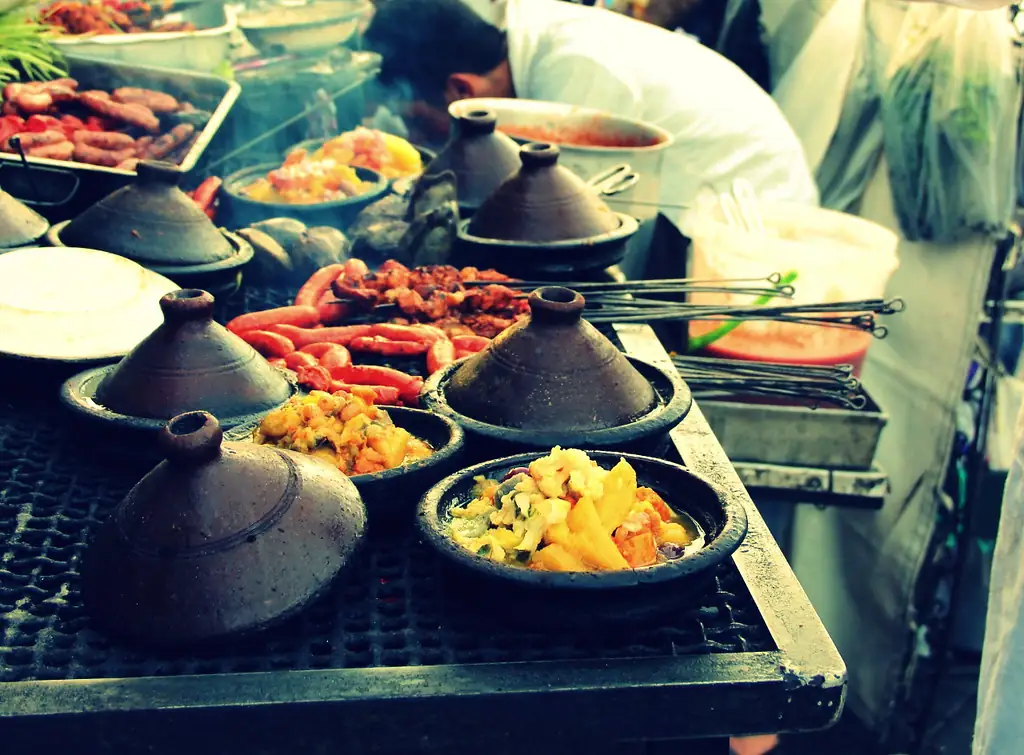
Is the market visit shopping, teaching or a souk tour?
A useful food-market visit connects what you see to what you will cook. The instructor might explain which vegetables suit a slow-cooked tagine, how preserved lemons are used, or why a particular spice goes into the dish. Ask whether the group buys ingredients for that day's meal or visits stalls before returning to a stocked kitchen. Buying everything on the spot is not essential; meat storage and advance preparation need planning. What matters is whether the walk teaches you something beyond the names of ingredients.
Jemaa el-Fna is a handy landmark, but its food stalls are not a substitute for a neighborhood produce market. North of the square, the central souks mix craft and retail lanes with food shopping in adjoining areas. Around the Mellah, southeast of the square near the Bahia Palace area, food sellers sit within another busy part of the old city. A guide genuinely helps with ingredient names, conversations with sellers and navigating crowded lanes. A lengthy spice-shop presentation with pressure to buy is a retail stop, not cooking instruction.
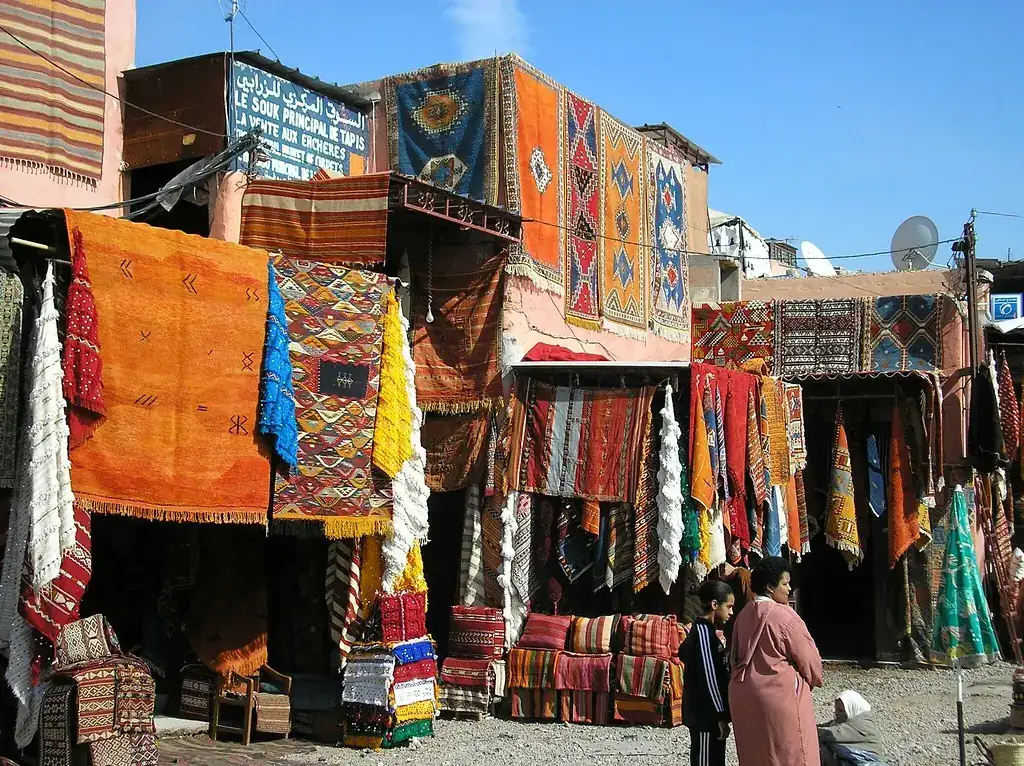
How much cooking will you actually do?
The most revealing question is simple: what will each participant do from start to finish? 'Hands-on' can mean preparing an entire dish, sharing tasks around one communal worktop, or briefly chopping herbs before the instructor takes over. Look for a clear account of who measures spices, prepares ingredients, tends the cooking and adjusts the seasoning. Shared cooking can be sociable and instructive, especially for families or friends. Someone hoping to reproduce the meal at home will usually want more responsibility for a dish.
Group size matters, but so does the number of workstations. A small group crowded around one pot may cook less than a larger group working in pairs. Ask how many people share a station and whether the instructor can explain technique in a language you understand comfortably. Demonstrations have their place: shaping bread or handling delicate pastry can be easier to grasp by watching first. The distinction is whether you then practise. Recipes help, though guidance on heat, texture and timing is often what makes the lesson transferable.
Choose the menu before choosing the setting
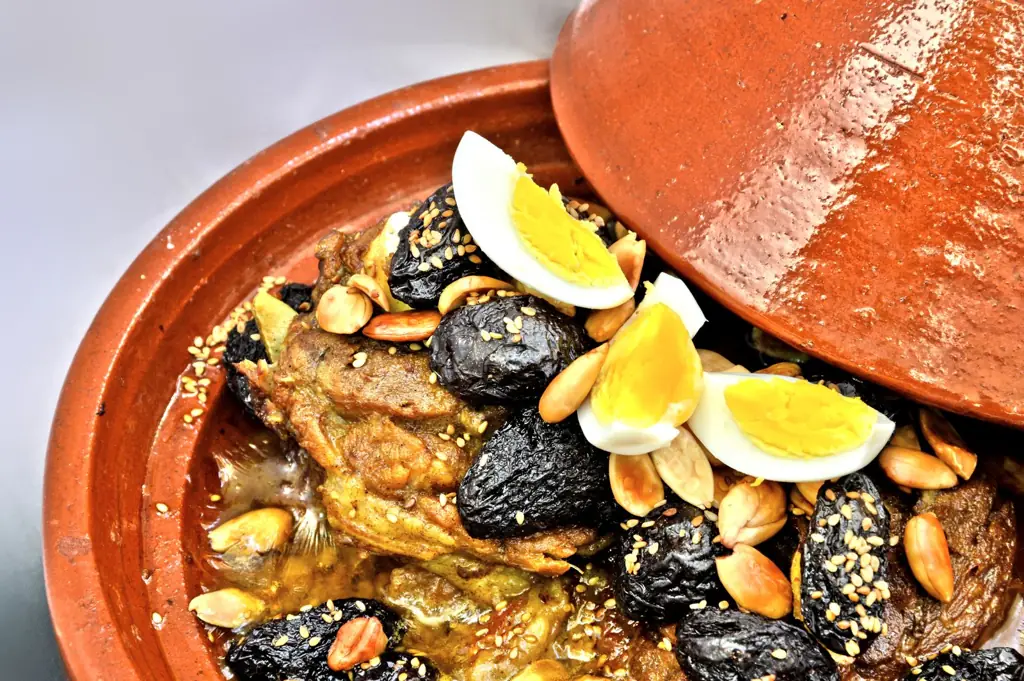
A photogenic riad courtyard does not tell you much about the lesson. Choose dishes you genuinely want to cook again. A tagine class should cover more than arranging ingredients attractively: you want to understand moisture, gentle heat and how to judge doneness. If you do not own a clay tagine, ask whether the instructor explains how to adapt the recipe to a heavy saucepan or casserole. Salads and vegetable sides can be particularly useful because they teach seasoning and preparation skills without requiring specialist equipment.
Treat an ambitious menu with a little curiosity. Couscous prepared with repeated steaming takes time; if a short session promises couscous alongside several other dishes, ask which stages happen before you arrive. The same applies to slow-cooked meat and bread dough. Advance preparation is sensible, provided it is explained. Vegetarian menus need more detail than 'no meat': ask about stock and shared cooking vessels. For allergies or coeliac disease, describe the restriction before booking and ask about cross-contact. A friendly willingness to adapt is not the same as an allergy-safe kitchen.
Medina kitchen, Gueliz studio or somewhere outside town?
A medina class can fit neatly around a morning in the old city, but the address needs attention. Taxis cannot reach many narrow lanes, so the last stretch may be on foot from a vehicle-accessible square or gate. Jemaa el-Fna is pedestrian-focused, with vehicle access around it subject to restrictions; do not assume a driver can deliver you to any meeting point marked near the square. Get the host's walking directions and allow a buffer. Anonymous offers to lead you through the lanes may end in a request for payment, so arrange meeting assistance directly if needed.
Gueliz, northwest of the medina, generally allows more straightforward vehicle access along its broader streets, although traffic can still slow the trip. A garden or farm-based class outside the built-up city may suit travelers wanting more space or a quieter setting, but transport becomes part of the booking rather than an afterthought. Compare door-to-door time, not just lesson duration. For limited mobility, ask specifically about steps, upper-floor kitchens, seating while preparing food and toilet access. A ground-floor dining courtyard does not guarantee an accessible kitchen.
How will heat, Fridays and Ramadan affect the class?
Keep roughly half a day free for a market-and-cooking session unless the published programme clearly indicates otherwise. Shopping, introductions, preparation and eating all take time; squeezing the class between a late breakfast and a fixed afternoon departure can make lunch feel rushed. In hot weather, an earlier market walk is usually more comfortable, but the kitchen matters too. Ask about ventilation or cooling if heat is difficult for you. Closed, comfortable shoes help on uneven paving and around dropped ingredients. Loose sleeves and dangling accessories are less useful beside a stove.
Friday prayer can affect individual traders' hours and the rhythm of a market walk, rather than bringing every shop to a halt. During Ramadan, some operators adjust class times, menus or staffing, and food shopping can grow busier toward sunset. Ask for the programme operating during your stay rather than relying on a standard listing. Daytime classes may still run, but do not assume the instructor will taste food while fasting. Modest, practical clothing works well for neighborhood shopping, and ask before photographing stallholders or people working in the kitchen.
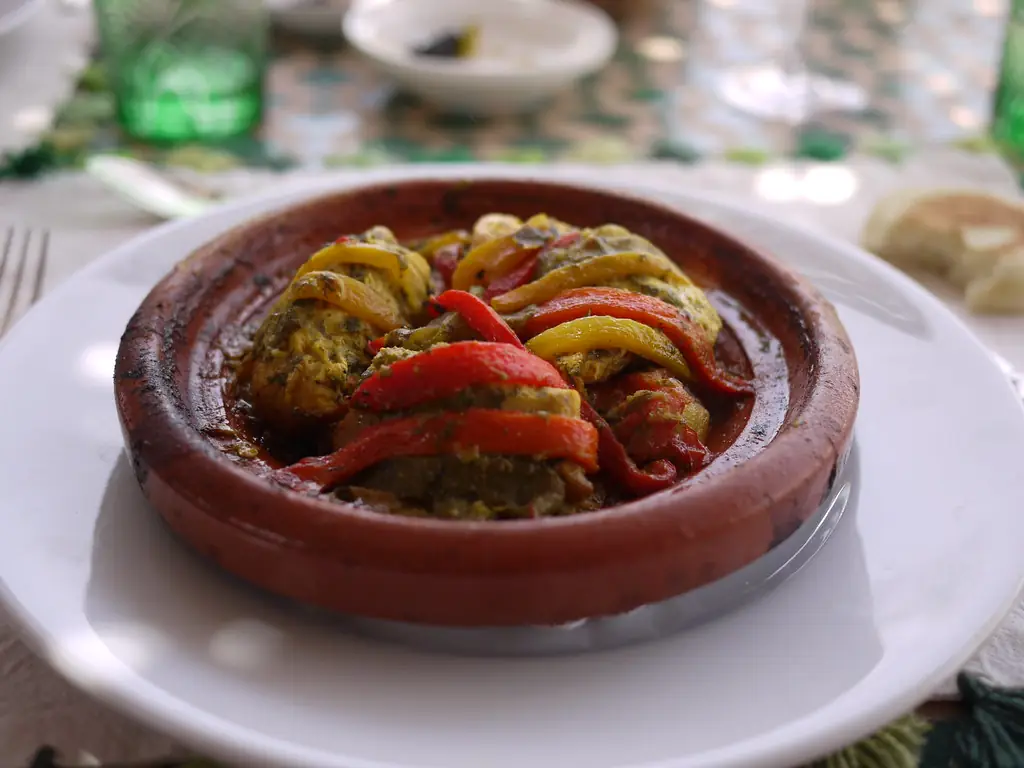
What should the booking price include?
Compare the complete outing: market guiding, ingredients, instruction, the meal, drinking water, recipes and any transport. Some listings describe the meal prominently without making clear whether every advertised dish is cooked by participants. Others include a transfer in only one direction. Ask for the current inclusions and cancellation terms before paying. Carry some cash for personal market purchases and any optional tip, but ingredient shopping should not become an unexpected extra when it is advertised as part of the class.
Send a short, specific enquiry: which dishes are taught, what each guest prepares, how many people share a station, and where the session starts and finishes. Add dietary or access requirements in the same message. If you are traveling alone, ask whether your date depends on a minimum group size; for children, ask what tasks they can safely join. Keep the host's contact details and meeting instructions available offline. A clear reply about the actual lesson is more useful than another photograph of a beautifully laid lunch table.
A place to start
Experiences in Marrakech
Browse current activities and check the route, meeting point, inclusions and cancellation terms before booking. This is a search, not a personally reviewed tour.
Plan the next step
Activities in Marrakech
Browse current GetYourGuide and Viator listings for Marrakech. Compare the route, meeting point, inclusions and cancellation terms before booking.
Disclosure: these are GetYourGuide and Viator partner links. If you book through them, Real Morocco Guide may earn a commission at no extra cost to you. Listings, prices and reviews come from the providers, not from us. How we work
Also on GetYourGuide
Plan your time
Before you go
Choose what matters most
Use the chapters above to decide what you want to see, then check current access and travel arrangements.
When comparing
Allow for the full journey
Compare meeting points, time on the road and time at the destination, not only the advertised duration.
Before paying
Confirm the details
Read the current provider listing for inclusions, accessibility needs and cancellation terms.
More ways to explore
Choose between exploring independently and comparing guided experiences. Search results are not selected or reviewed tours; confirm all details with the provider.
Explore independently
Use the planning notes above, then verify transport, access and opening details directly before setting out.
Compare guided options
Check what each listing actually includes, the meeting point and how much free time is available.
Explore options ↗Good to know
- Check current transport and access details before leaving.
- Ask the operator about any mobility or dietary needs before booking.
- Keep time in your schedule for changes to the route or weather.
Compare available experiences
Check current inclusions, reviews and cancellation terms with the provider.
Frequently asked questions
Should I book an experience in advance?
It depends on your travel dates and the activity. Check current availability and cancellation rules directly with the provider.
What should I check before reserving?
Confirm the meeting point, what is included, total time commitment, accessibility arrangements and the latest cancellation policy.
Further reading
Background reading, not verification of individual tour listings.
Trusted resources
Official sources worth checking before you travel. We are not affiliated with them.
Keep exploring

Merzouga · 9 min read
Merzouga Desert Safari: Planning an Erg Chebbi Stay
How far Merzouga really is, how sunset trips, camp nights and multi-day tours differ, and what to pack for a night in the Erg Chebbi dunes.
Read guide
Chefchaouen · 9 min read
Chefchaouen Day Trip: How to See the Blue Medina
Whether Chefchaouen works as a day trip from Fes or Tangier, how much time you really get in the blue medina, and when staying the night is the better call.
Read guide