
Field guide / Morocco · Azrou · 6 min read
Azrou Cedar Forest Visit Planning
The awkward part of planning an Azrou cedar forest visit is knowing what you are actually booking. A roadside stop beside macaques, a quiet walk under the cedars and a guided woodland hike are quite different outings, yet itineraries can describe all three simply as “the forest.” Decide how much walking you want, arrange a reliable return journey and leave room for mountain weather. You can enjoy the woods without feeding wildlife or treating the stop as a race to the next photograph.
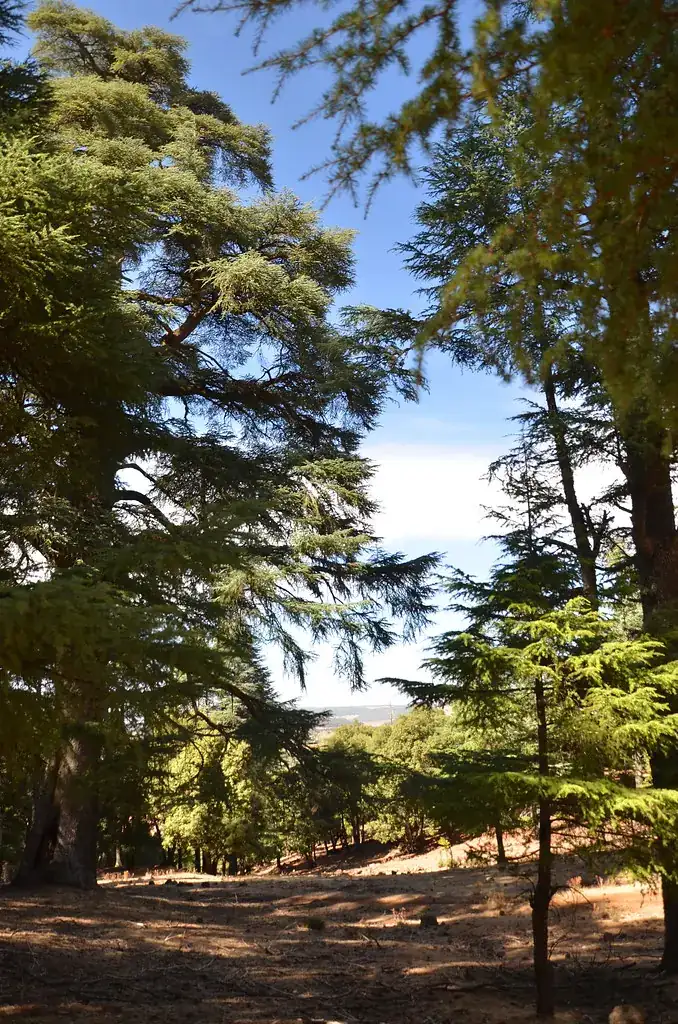
Where is the forest in relation to Azrou?
Azrou sits in the Middle Atlas, southwest of Ifrane. The cedar woodland visitors usually mean is outside town, in the wider Ifrane National Park landscape; it is not a single enclosed attraction with one gate and a prescribed circuit. The area around the landmark commonly called Cèdre Gouraud is a familiar stopping point. Ask for an actual destination or walking route rather than accepting “Azrou forest” as a precise itinerary.
From Azrou, a forest outing is a relatively short excursion by road. From Fes, it takes a substantial part of the day once you include the outward and return drives, often with Ifrane added along the way. That combination suits travellers who want a broad look at the Middle Atlas. For anyone hoping to spend several unhurried hours walking, staying in Azrou makes more sense than squeezing woodland time between multiple sightseeing stops. Allow a half-day locally for transport, a modest walk and pauses; a longer hike needs its own plan.
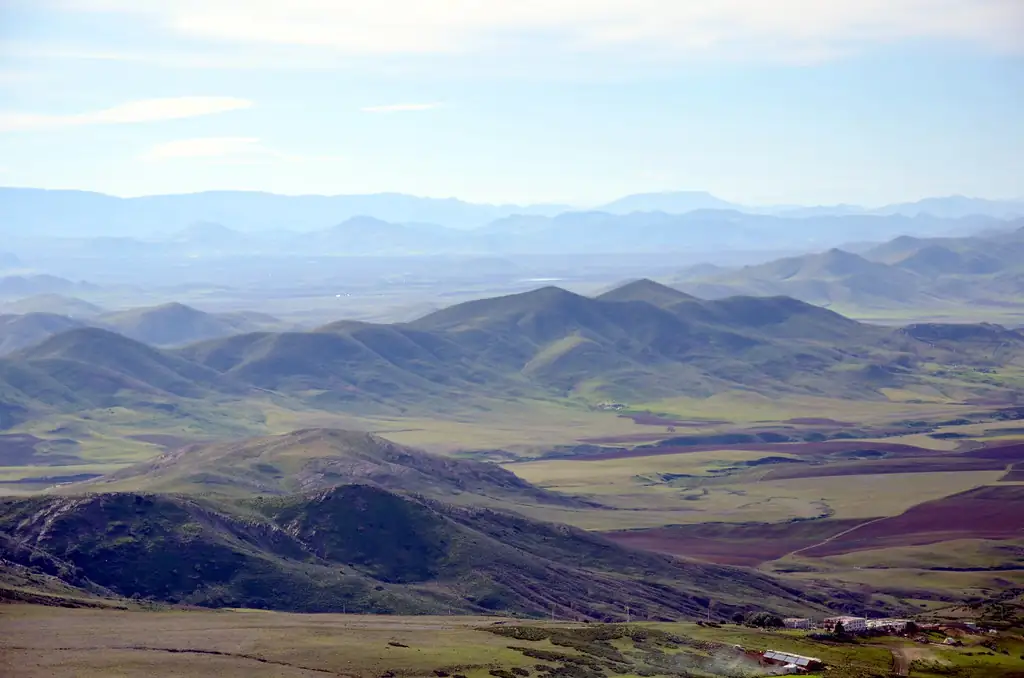
Should you book a taxi, a driver or a walking guide?
A taxi or private driver can take you to a road-accessible forest stop, but neither automatically provides a guided walk. For an independent outing, agree on the destination, waiting time, total fare and return arrangement before leaving Azrou. Carry enough cash for the agreed journey rather than assuming card payment will be possible at a woodland stop. Shared grand taxis serve transport routes, not personalised forest circuits: being dropped near the woods does not guarantee an easy ride back. A normal vehicle also cannot follow you onto walking paths, and rough-track access depends on the vehicle, conditions and local restrictions.
A guide genuinely helps when you want a longer woodland route, are uncertain about navigation or need someone to adapt the walk to your group’s pace. A driver-led excursion suits visitors who mainly want convenient transport and short stops. Before booking, ask how much time is spent on foot, whether the guide walks with you and what happens if weather makes the proposed route unsuitable. Be wary of vague promises of a “trek” with no description of terrain or duration. For a short roadside visit, there is no reason to pay for a hiking service you will not use.
How can you watch the macaques without causing harm?
Barbary macaques live in these forests, and some groups gather around busy stopping places where people feed them. Their presence can make a roadside stop feel like an animal attraction, but they remain wild animals. Do not buy food for them, offer your own snacks or hold something out to draw one closer for a picture. Feeding encourages animals to approach people and vehicles, and it can turn a calm encounter into grabbing or competition. A sighting should never be promised as part of a booking.
Keep food inside a closed bag, give the animals space and let them move away freely. Children need close supervision, especially if they are carrying snacks. Avoid touching, posing beside or trying to retrieve an object directly from a macaque. If animals approach, step back calmly rather than crowding them with a phone. Photos from a distance are enough. A bite or scratch needs prompt washing and urgent medical advice. Quieter forest time may mean fewer close sightings; that is a reasonable trade for seeing wildlife without helping create the behaviour that makes busy stops troublesome.
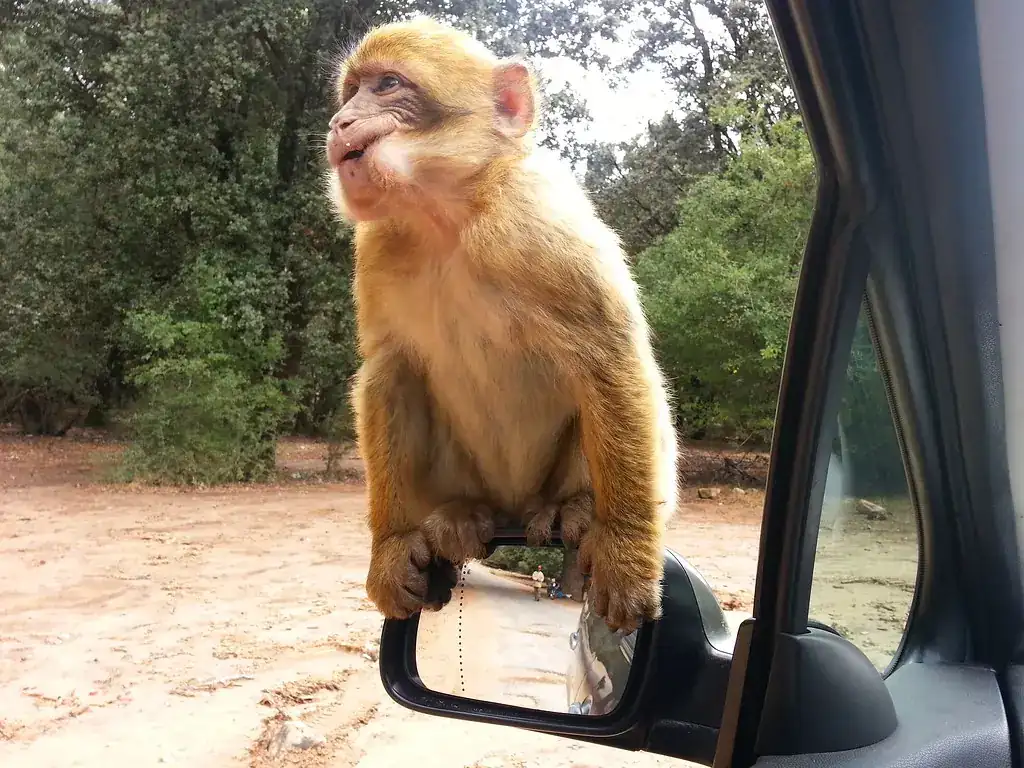
How difficult is the walking, and how do you avoid the busiest stops?
You do not need to undertake a major hike to spend time among cedars. Short walks near road-accessible stopping areas can suit people who want a gentle outing, though roots, stones, loose earth and uneven ground still matter. Longer routes may involve slopes and junctions that are less obvious than a maintained urban park path. Wear shoes with grip and take water. Download a map before setting out, but do not mistake a line on a phone for proof that a route is open, clearly marked or appropriate for your ability.
Popular roadside areas can be noisy when excursion vehicles arrive, particularly on weekends and holidays. An earlier start may help, but choosing a genuine walking itinerary matters more than arriving a few minutes before another vehicle. Stay on established paths and carry out all litter, including food scraps. For wheelchair users or anyone with limited mobility, ask about the exact stopping surface and distance from the vehicle; “easy access” may mean little more than parking nearby. A roadside view may be feasible where a woodland circuit is not. Ask permission before photographing vendors or other visitors.
What do weather and season change?
This is mountain country, not an extension of the weather in Fes or Marrakech. Winter can bring snow and ice, affecting both roads and walking surfaces. Rain can leave paths muddy, while shaded sections may stay cold after exposed ground has warmed. In warmer months, sunshine can be strong even when the air feels comfortable. Bring layers, sun protection and a waterproof layer when rain is possible. A light city outfit and smooth-soled shoes are a poor basis for a forest walk.
Before committing to a winter journey or a longer hike, check the local forecast and current road conditions with your accommodation or transport provider. Ask about conditions at the forest, not just in the departure city. Keep the itinerary flexible enough to shorten the walk or abandon it if access deteriorates. Do not let a prepaid excursion become a reason to press on in unsafe weather. During dry periods, respect any fire restrictions and avoid lighting a picnic fire; pack food that needs no cooking instead.

What should you arrange in town before leaving?
Azrou is a practical base for buying water, arranging transport and eating before or after your outing. Use those services rather than relying on vendors at a particular forest stop. Toilets and refreshments may be limited along your chosen route, so ask your driver where a suitable comfort stop is available. During Ramadan, daytime meal options can be reduced and drivers may want to organise the return around the evening meal. On Fridays, some businesses pause around communal prayers or lunch. Arrange provisions and departure time accordingly without assuming the whole town will be closed.
Get the essential booking details in writing: pickup point, planned stops, walking time, guide provision, vehicle waiting time and what the quoted amount includes. Ask whether meals or shopping stops are part of the itinerary, especially on a multi-stop trip from Fes. An unsolicited offer to lead you somewhere or arrange a photograph is not necessarily a scam, but establish any charge before accepting it. Save your driver’s number, carry a charged phone and agree on a specific meeting place and return time rather than “back by the trees.”
A place to start
Experiences in Azrou
Browse current activities and check the route, meeting point, inclusions and cancellation terms before booking. This is a search, not a personally reviewed tour.
Plan the next step
Activities in Azrou
Browse current GetYourGuide and Viator listings for Azrou. Compare the route, meeting point, inclusions and cancellation terms before booking.
Disclosure: these are GetYourGuide and Viator partner links. If you book through them, Real Morocco Guide may earn a commission at no extra cost to you. Listings, prices and reviews come from the providers, not from us. How we work
Also on GetYourGuide
Plan your time
Before you go
Choose what matters most
Use the chapters above to decide what you want to see, then check current access and travel arrangements.
When comparing
Allow for the full journey
Compare meeting points, time on the road and time at the destination, not only the advertised duration.
Before paying
Confirm the details
Read the current provider listing for inclusions, accessibility needs and cancellation terms.
More ways to explore
Choose between exploring independently and comparing guided experiences. Search results are not selected or reviewed tours; confirm all details with the provider.
Explore independently
Use the planning notes above, then verify transport, access and opening details directly before setting out.
Compare guided options
Check what each listing actually includes, the meeting point and how much free time is available.
Explore options ↗Good to know
- Check current transport and access details before leaving.
- Ask the operator about any mobility or dietary needs before booking.
- Keep time in your schedule for changes to the route or weather.
Compare available experiences
Check current inclusions, reviews and cancellation terms with the provider.
Frequently asked questions
Should I book an experience in advance?
It depends on your travel dates and the activity. Check current availability and cancellation rules directly with the provider.
What should I check before reserving?
Confirm the meeting point, what is included, total time commitment, accessibility arrangements and the latest cancellation policy.
Further reading
Background reading, not verification of individual tour listings.
Trusted resources
Official sources worth checking before you travel. We are not affiliated with them.
Keep exploring
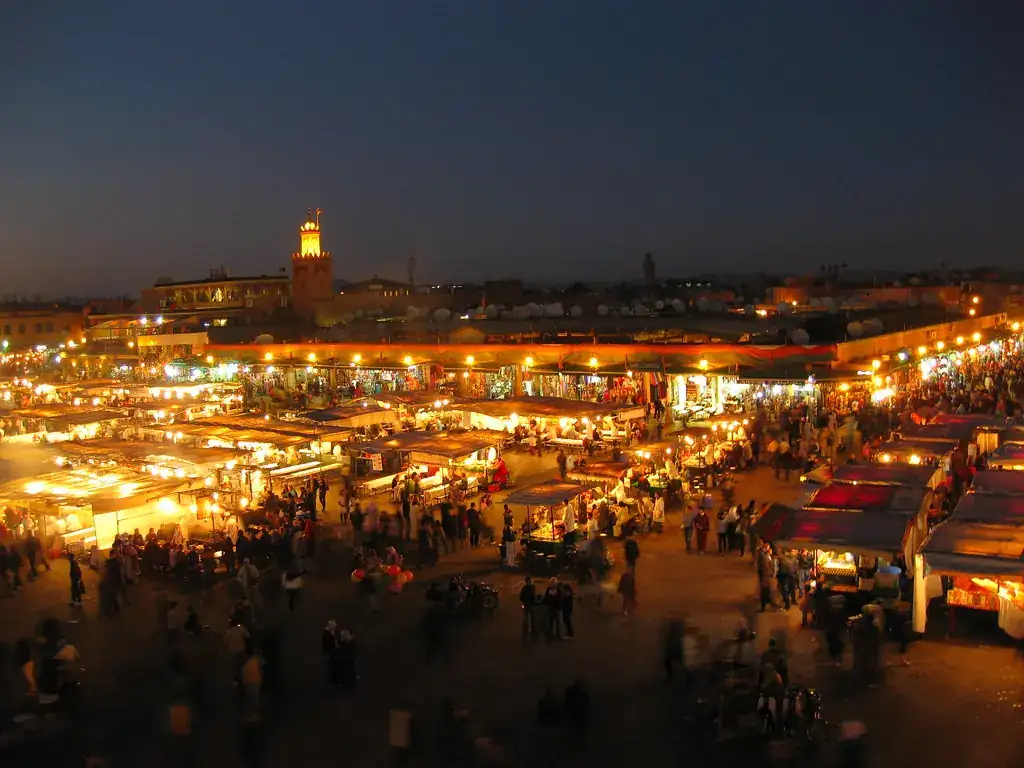
Marrakech · 9 min read
Marrakech Food Tours: What to Taste in the Medina
What to eat in the Marrakech medina, how a tasting walk differs from a cooking class, and how to tell whether a food tour actually leaves Jemaa el-Fna.
Read guide
Merzouga · 9 min read
Merzouga Desert Safari: Planning an Erg Chebbi Stay
How far Merzouga really is, how sunset trips, camp nights and multi-day tours differ, and what to pack for a night in the Erg Chebbi dunes.
Read guide