
Field guide / Morocco · Casablanca · 6 min read
Hassan II Mosque Visit Planning
The main planning mistake at Hassan II Mosque is treating it like a monument you can enter whenever you arrive. Visitor access to the interior is organised separately from worship, and an opening time shown on a map app may not describe when sightseeing visitors can go inside. Build your Casablanca morning or afternoon around the mosque’s official visitor information, then leave room for the journey, ticketing and the walk across its exposed waterfront setting.
Where do you find the current visiting information?
Start with the official visitor information published by the Hassan II Mosque Foundation, rather than a hotel blog, map listing or tour seller. Look specifically for guided interior visits: the current departure times, visitor ticket arrangements, available languages and any notices affecting access on your date. General mosque opening information can relate to prayer rather than sightseeing. If the published information is unclear, contact the official visitor service before making a special journey, particularly if you have only a short stop in Casablanca.
Distinguish between access to the surrounding esplanade and admission to the mosque interior. Seeing people approaching the building does not mean a sightseeing group can enter with them. Likewise, a commercial excursion advertised as a mosque visit may include only an exterior stop unless interior admission is explicitly stated. Save the official visiting details on your phone, including any booking instructions. You want to arrive knowing which visit you intend to join, not trying to untangle several sellers’ descriptions at the entrance.
Can non-Muslims enter, and do you need a guide?
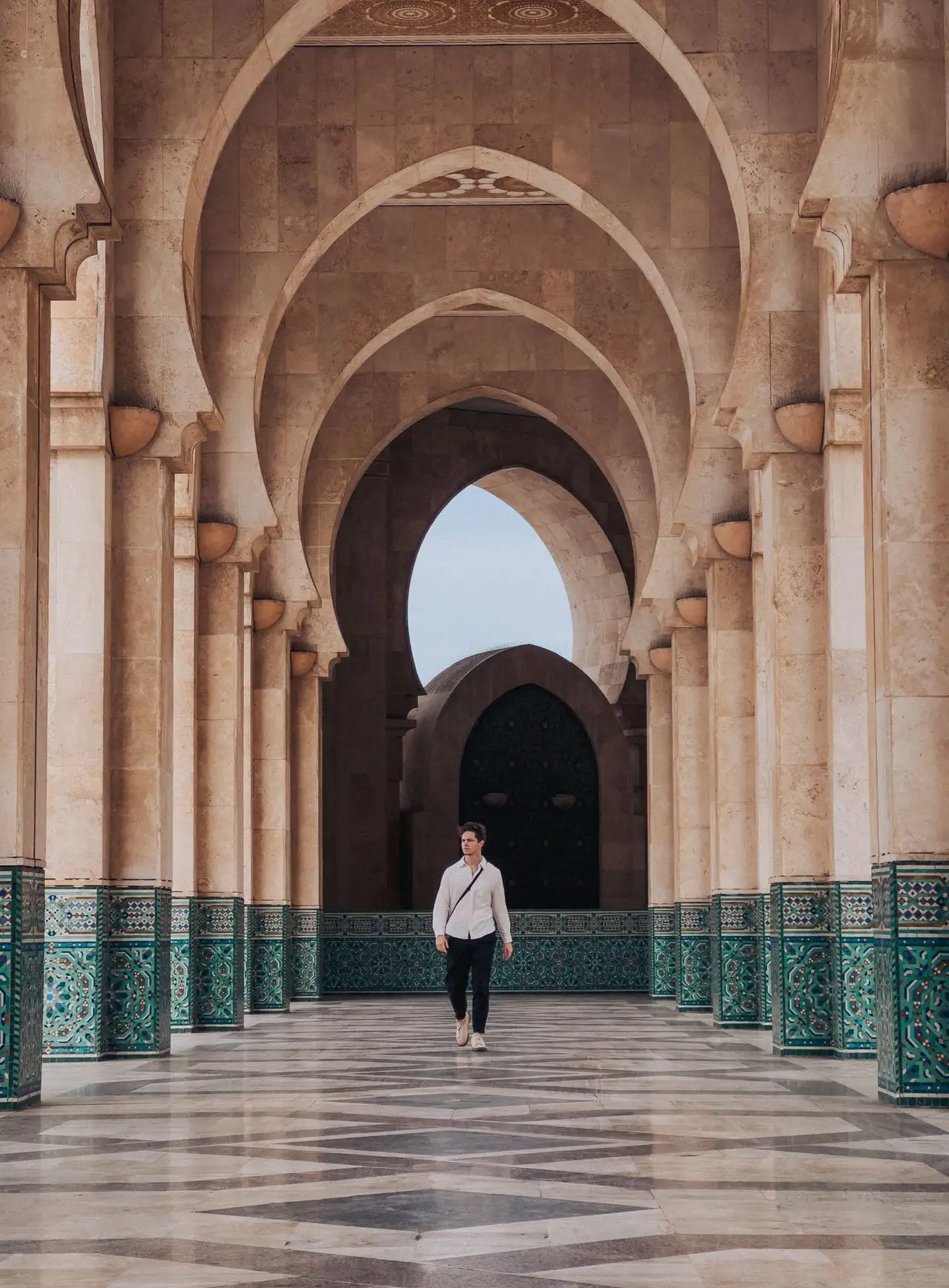
Hassan II Mosque is an exception to the restricted sightseeing access travellers encounter at many Moroccan mosques: non-Muslim visitors can enter through its organised visitor arrangements. That permission is not an invitation to wander into worship areas independently. Follow the designated visitor entrance and staff directions. The interior visit and a walk around the exterior are different experiences; if seeing the prayer hall matters to you, do not leave it to a spare half-hour between other plans.
For most independent travellers, the mosque’s organised guided visit is the relevant starting point. A guide helps explain the building’s craftsmanship and religious function while keeping visitors within the permitted route. A separate city guide can be useful if you want transport coordination or a broader introduction to Casablanca, especially with limited time or a group whose needs differ. Before paying for that extra service, establish whether the mosque ticket is included and whether the city guide accompanies you inside or hands you over to the mosque’s visitor team.
How does the mosque fit into Casablanca’s geography?
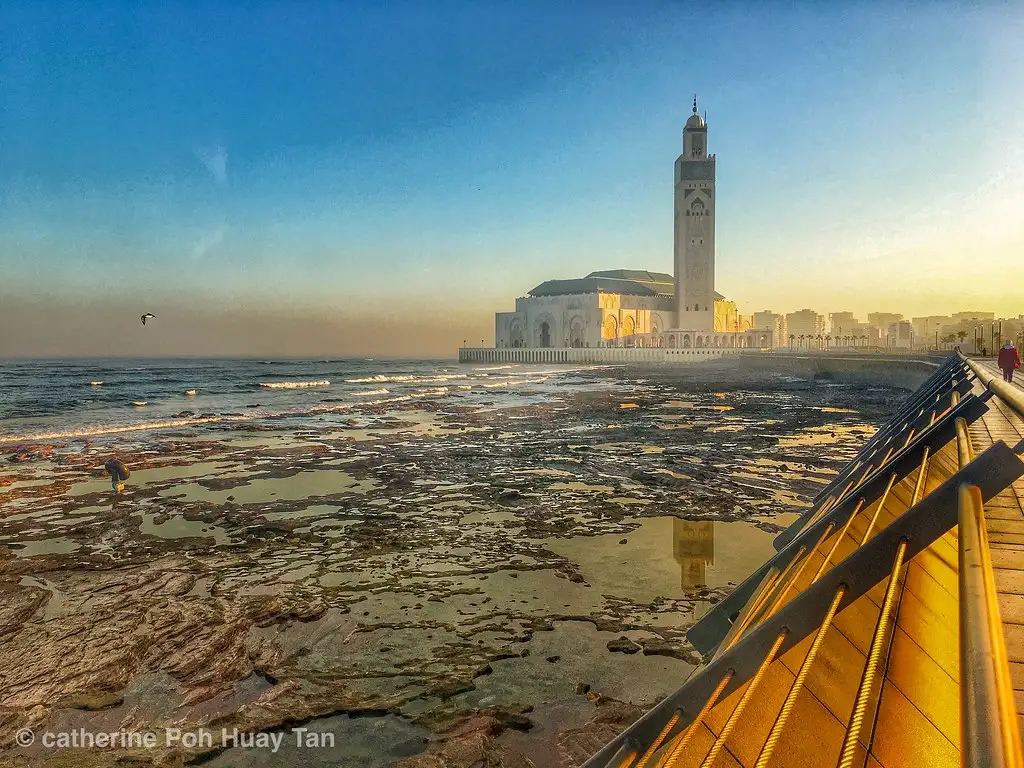
The mosque stands on the Atlantic waterfront, northwest of the central commercial area. It is not beside Casa Voyageurs, the railway station many visitors use for intercity journeys. Casa Port is closer to the old medina and the central waterfront, but the mosque still requires a separate walk or taxi ride. From the old medina, allow roughly half an hour or more on foot, depending on your starting point and route. This is a city walk with road crossings, not an uninterrupted seaside promenade.
A petit taxi is practical from a central hotel or railway station, though traffic can turn a short-looking journey into a slow one. Ask for the meter; if the driver proposes a fixed fare instead, settle the terms before leaving. Taxis drop passengers on surrounding streets, not at the prayer-hall doorway, and the open approach across the visitor area takes additional time. Ain Diab’s beachfront cafés and beach clubs lie farther west along the coast. Pairing them with the mosque makes geographical sense, but treat the transfer as another leg rather than assuming everything is next door.
How much time should you allow around prayers and crowds?
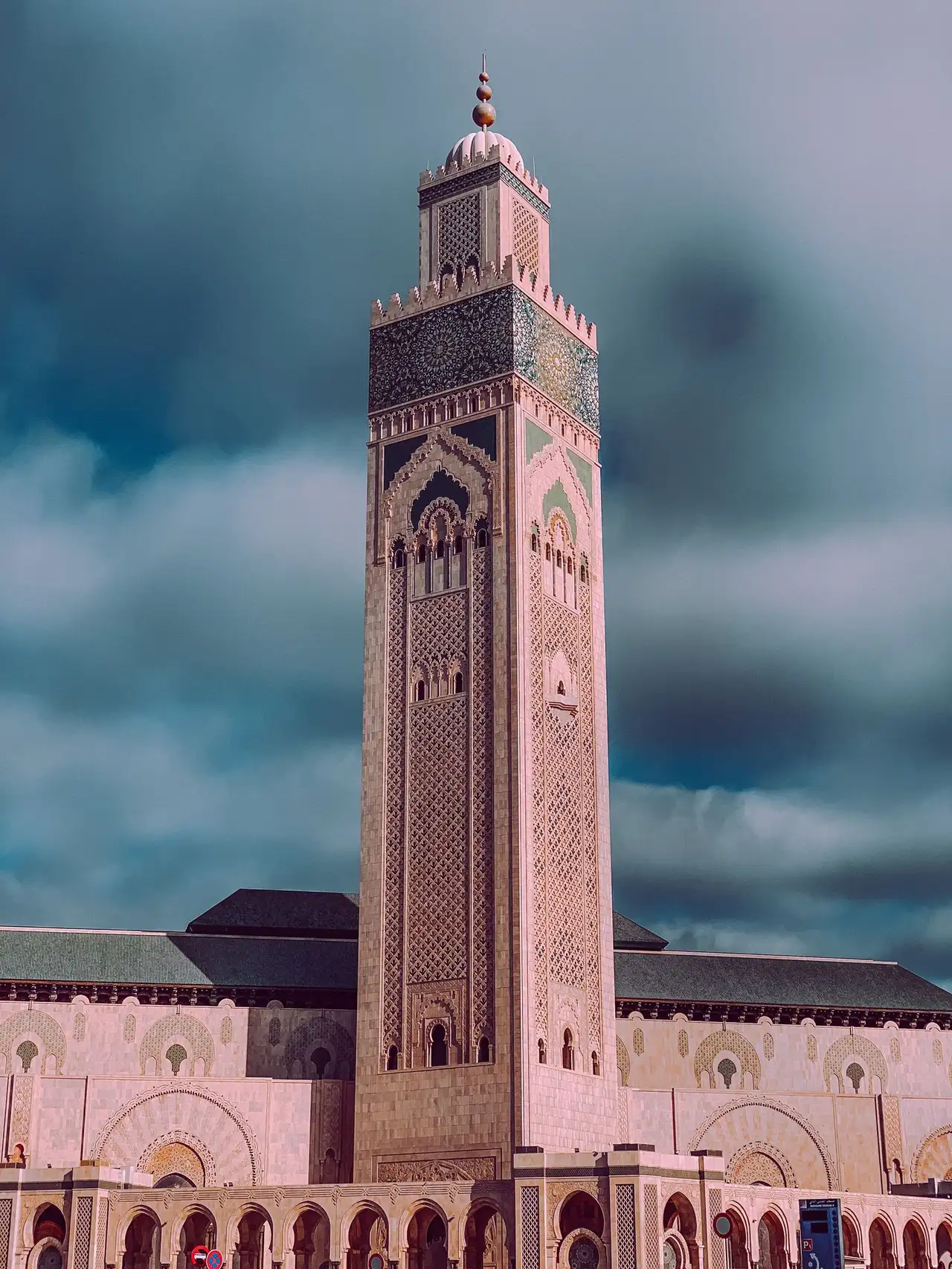
Keep around two hours free at the site as a planning allowance, rather than treating that as the duration of the guided visit itself. You need time to find the correct entrance, handle tickets, join your group and look at the exterior without immediately watching the clock. Transport sits on top of that allowance. If you are arriving by train, avoid aiming for a visitor departure that depends on an entirely smooth station exit and taxi journey. Groups can gather quickly around a departure, so arriving with breathing room is more useful than arriving at the advertised minute.
Friday congregational prayer gives the mosque a different rhythm, with worshippers moving through the surrounding area and sightseeing taking second place. Ramadan can also bring changes to visitor arrangements and the pattern of activity around prayers. Use the official date-specific information rather than assuming an ordinary weekday timetable applies. The mosque remains a working place of worship throughout the year: temporary restrictions are not an invitation to seek another doorway. If interior access does not fit your day, leave space for an exterior visit without assuming every part of the grounds will be accessible.
What should you wear, carry and photograph?
Choose clothing that covers your shoulders and knees, with loose trousers or a long skirt a straightforward option. A light layer is useful even in warm weather because the Atlantic wind can feel sharp on the esplanade. Shoes are removed for the prayer-hall visit, so wear a pair that comes off easily and follow staff instructions about carrying or storing them. Keep your bag manageable. There is little pleasure in juggling bulky luggage, footwear and a camera while moving with a group.
Carry some Moroccan dirhams for small expenses and as a backup rather than depending on one payment method. Buy admission through the official arrangements; someone approaching you outside with claims of privileged access is not a substitute for the visitor desk. Photography should follow the instructions given for your visit, particularly regarding flash, tripods and any restricted areas. Keep cameras away from worshippers unless you have permission. On the exterior, step aside before stopping for a photograph: entrances and circulation routes are working spaces, not simply architectural backdrops.
What if you have limited mobility or difficult weather?
The mosque’s broad setting can look easier to navigate in photographs than it feels on the ground. The approach involves an open paved area, and a guided visit may mean time standing as well as walking. Travellers using a wheelchair or walking aid should ask the official visitor service about the current accessible entrance, step-free route, seating and which parts of the interior itinerary are accessible. Give specific needs rather than asking only whether the mosque is accessible. A taxi reduces the city walk, but it does not remove the distance between the vehicle drop-off and the visitor entrance.
Wind, rain and strong sun all matter on this stretch of Casablanca’s coast. Bring sun protection and water for the approach, keeping drinking and eating to appropriate areas outside the worship space. In wet weather, shoes with a good grip help on smooth paving; in strong wind, a secure jacket is more practical than an umbrella. Before joining your visit, locate the visitor facilities and agree on a meeting place if your party might separate. For the return journey, head back to the surrounding road for a taxi rather than expecting pickup from the esplanade.
A place to start
Experiences in Casablanca
Browse current activities and check the route, meeting point, inclusions and cancellation terms before booking. This is a search, not a personally reviewed tour.
Plan the next step
Activities in Casablanca
Browse current GetYourGuide and Viator listings for Casablanca. Compare the route, meeting point, inclusions and cancellation terms before booking.
Disclosure: these are GetYourGuide and Viator partner links. If you book through them, Real Morocco Guide may earn a commission at no extra cost to you. Listings, prices and reviews come from the providers, not from us. How we work
Also on GetYourGuide
Plan your time
Before you go
Choose what matters most
Use the chapters above to decide what you want to see, then check current access and travel arrangements.
When comparing
Allow for the full journey
Compare meeting points, time on the road and time at the destination, not only the advertised duration.
Before paying
Confirm the details
Read the current provider listing for inclusions, accessibility needs and cancellation terms.
More ways to explore
Choose between exploring independently and comparing guided experiences. Search results are not selected or reviewed tours; confirm all details with the provider.
Explore independently
Use the planning notes above, then verify transport, access and opening details directly before setting out.
Compare guided options
Check what each listing actually includes, the meeting point and how much free time is available.
Explore options ↗Good to know
- Check current transport and access details before leaving.
- Ask the operator about any mobility or dietary needs before booking.
- Keep time in your schedule for changes to the route or weather.
Compare available experiences
Check current inclusions, reviews and cancellation terms with the provider.
Frequently asked questions
Should I book an experience in advance?
It depends on your travel dates and the activity. Check current availability and cancellation rules directly with the provider.
What should I check before reserving?
Confirm the meeting point, what is included, total time commitment, accessibility arrangements and the latest cancellation policy.
Further reading
Background reading, not verification of individual tour listings.
Trusted resources
Official sources worth checking before you travel. We are not affiliated with them.
Keep exploring
Marrakech · 9 min read
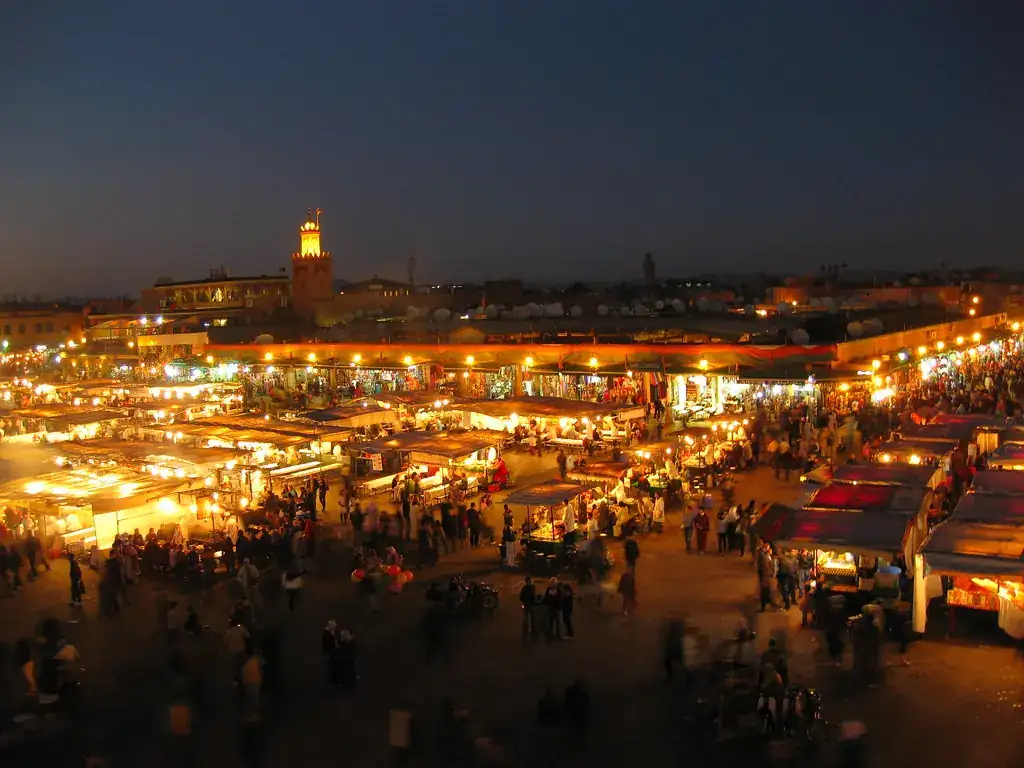
Marrakech Food Tours: What to Taste in the Medina
What to eat in the Marrakech medina, how a tasting walk differs from a cooking class, and how to tell whether a food tour actually leaves Jemaa el-Fna.
Read guide
Merzouga · 9 min read
Merzouga Desert Safari: Planning an Erg Chebbi Stay
How far Merzouga really is, how sunset trips, camp nights and multi-day tours differ, and what to pack for a night in the Erg Chebbi dunes.
Read guide