
Field guide / Morocco · Casablanca · 6 min read
Using Casablanca Trams and Busways
A Casablanca journey can look simple on a map and become awkward at the final junction: your tram stop is across a broad boulevard, the entrance you need faces another street, or the coast is farther away than the neighbourhood name suggests. Before taking a taxi by default, plot the public-transport leg and the walk together. Using Casablanca trams and busways works particularly well when you plan around actual stops rather than a loose idea of where you are going.
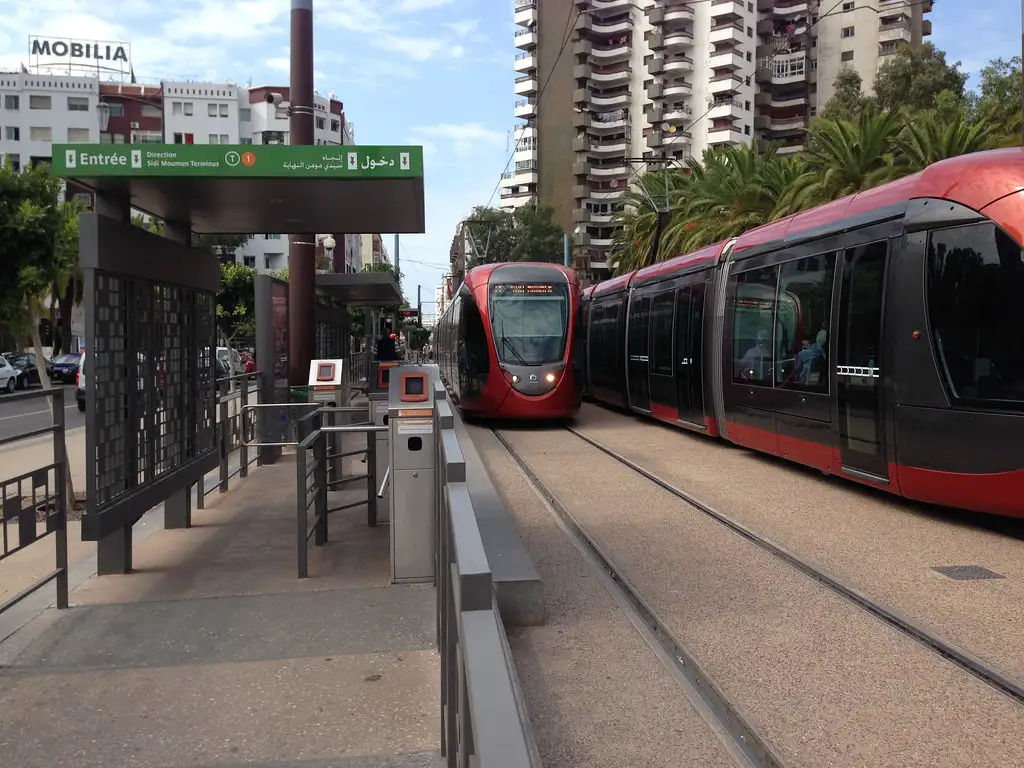
Does the network take you where you actually need to go?
Start with the current Casa Transport or Casatramway network map, then locate your destination’s entrance on a street map. Casablanca’s tram system has expanded, so an older hotel map or saved travel article may show an incomplete network. The busways are dedicated-corridor bus services, not simply another name for every city bus. Treat trams and busways as connected parts of your journey, while keeping ordinary bus routes separate in your planning. A route number alone is not enough: note the direction shown by the service’s destination.
For orientation, Place des Nations Unies sits beside the old medina and connects naturally with the central streets around Mohammed V Boulevard. Casa Voyageurs railway station lies east of this central area and has a tram connection. Casa Port is a different railway station, closer to the port and the northern edge of the centre; do not assume instructions for one apply to the other. The Hassan II Mosque stands on the Atlantic waterfront northwest of the central commercial district, while Aïn Diab lies farther southwest along the coast.
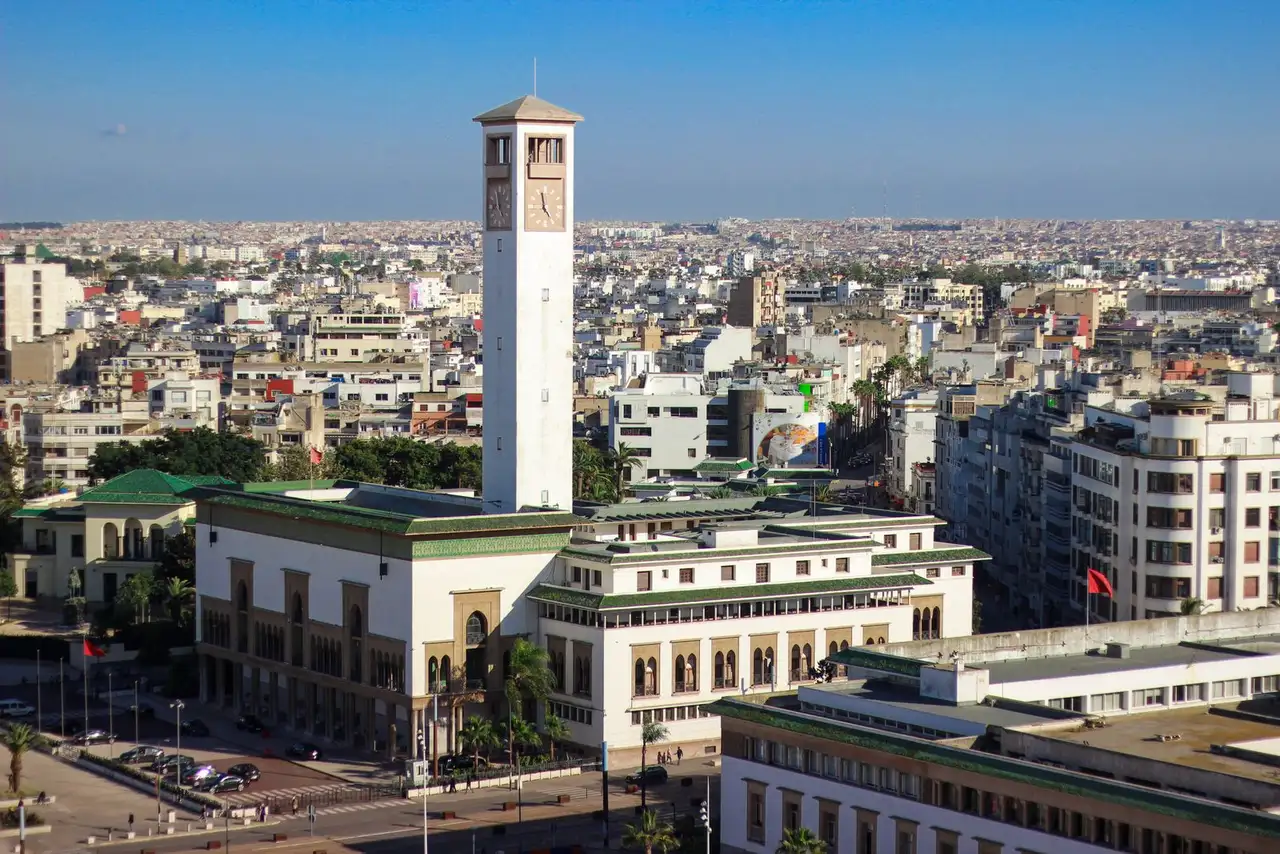
How much time should you allow for the whole journey?
Count four pieces: reaching the platform, waiting, riding and walking at the other end. Add another allowance for each interchange. For a first journey with luggage, leave a generous margin rather than relying on the vehicle’s running time alone. Even where two lines meet, transferring can involve leaving one platform, crossing at street level and finding the correct boarding side. A dedicated tram or busway corridor makes movement more predictable than sitting in general traffic, but it does not remove junctions, station stops or the time spent getting oriented.
Avoid building a tight railway connection around your first attempt at the system. Workday commuting periods bring fuller vehicles, and central stops can be busy when people are shopping or heading home. Friday prayer can change pedestrian activity around mosques without making the whole city stop. During Ramadan, travel patterns shift towards the period before sunset and later evening activity. For late outings or travel during Ramadan, consult the operator’s current timetable rather than assuming daytime frequencies and final departures remain unchanged.
What should you know before buying a ticket?
Before paying, check the current fare, ticket medium and transfer conditions through the operator’s official information or the station’s posted instructions. Specifically, establish whether your intended tram-to-busway or line-to-line connection is covered, whether there is a time limit and whether you must validate again. A network diagram shows where services connect; it does not, by itself, explain the payment rules. If you expect several rides, compare the available ticket options with your actual itinerary instead of automatically buying the product that sounds most comprehensive.
Carry some Moroccan dirhams in manageable denominations rather than relying entirely on a foreign bank card. Machines and staffed sales facilities need not offer identical payment options. At the station, follow the instructions for buying and validating your ticket before entering the boarding area, and keep it until you have fully left the system. Do not assume one ticket can simply be passed back through a gate for a companion. If the machine or gate rejects your ticket, ask identifiable staff rather than paying someone nearby who offers an unofficial shortcut.
Which central sights still need a proper walk?
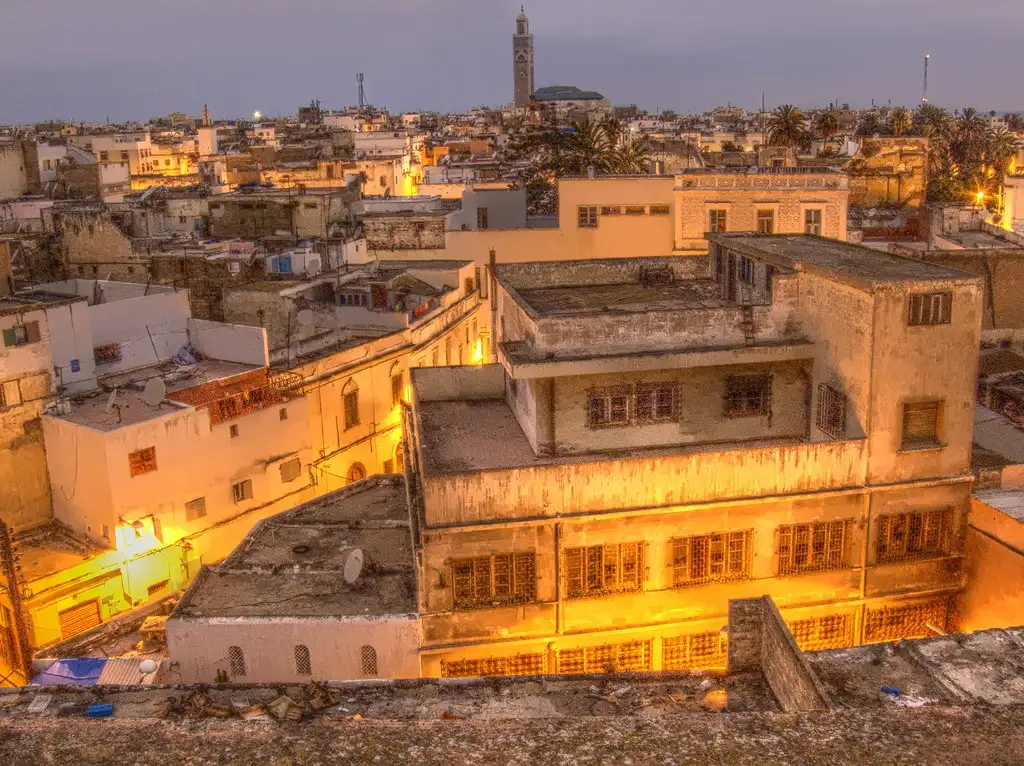
The old medina is a good example of a journey where public transport gets you close but walking finishes the job. Approaching from Place des Nations Unies gives you a useful landmark at its southern edge. Inside, narrow lanes and changing pedestrian flows matter more than the straight-line distance on your phone. Taxis cannot deliver you through every lane to an exact doorway. Save your accommodation’s entrance location, not just its name, and ask for the most practical vehicle-accessible meeting point if you are carrying heavy bags.
For the Hassan II Mosque, do not mistake a central tram stop for doorstep access. Plan the remaining walk separately, or use a short taxi leg if heat, fatigue or mobility makes that sensible. The waterfront is exposed to sun and Atlantic wind, and a pleasant-looking coastal route can feel longer than expected. Aïn Diab also covers more ground than a single destination pin implies: select the particular beach entrance, restaurant or meeting point. The same principle applies to Habous, southeast of the old centre, where a neighbourhood label is not a precise arrival point.
What are platforms, crossings and vehicles like?
Casablanca is not especially hilly in its central districts, but that does not make every walk effortless. Broad roads, high kerbs, uneven paving and vehicles turning across pedestrian routes can slow you down. Cross tram tracks only at designated crossings, watch for services in both directions and resist following someone who slips across against the signals. Wear shoes that cope with broken pavement. In warm weather, carry water and favour a route with shade over a slightly shorter exposed stretch; in rain, allow more time for wet paving and puddles at crossings.
Let passengers get off before boarding and move away from the doors once inside. Keep luggage close and valuables secured in crowded vehicles, as you would in any large city. For wheelchair users or anyone avoiding steps, modern vehicles are only part of the accessibility question: platform access, working equipment, crossings and the final pavement all matter. Ask the operator about assistance or any station-specific access limitations for your planned journey. Avoid photographing fellow passengers closely without permission, particularly in a confined vehicle where they cannot easily move away.
When does a taxi make more sense?
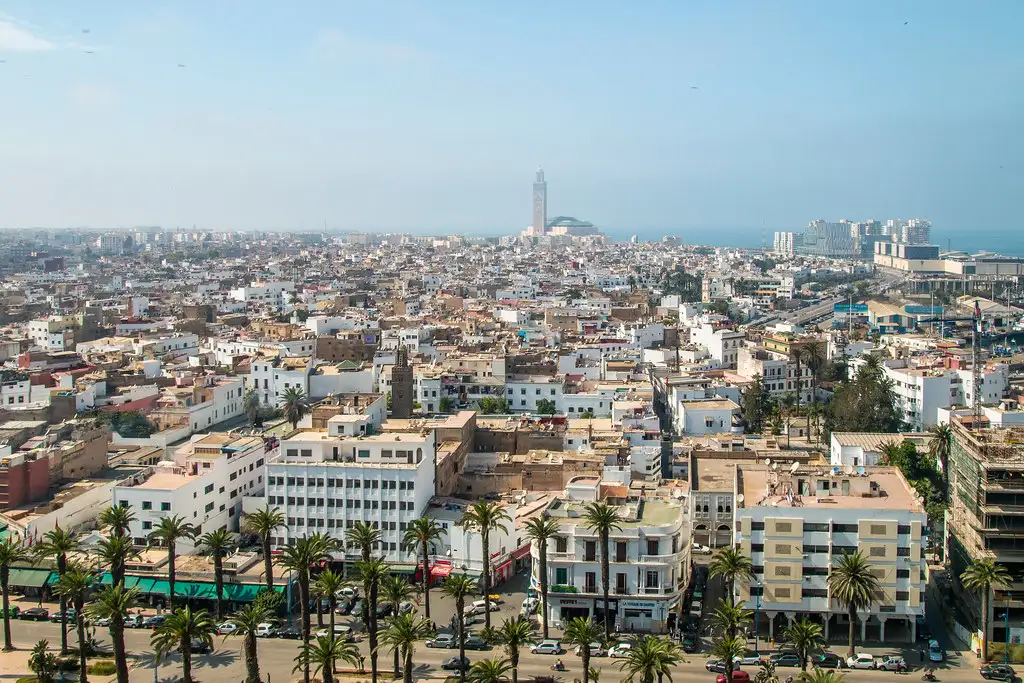
A taxi is useful when the final stretch is long, you have bulky luggage or your return falls outside operating hours. Casablanca’s red petits taxis serve urban trips, but they remain subject to congestion and cannot enter pedestrian lanes or drive along reserved public-transport corridors. Choose a legal, recognisable pickup point on an accessible street rather than trying to flag one beside a fenced platform. Ask for the meter at the start. Keep your destination pin ready, alongside a nearby landmark, because an unfamiliar street name alone may not settle the route.
You do not need a guide simply to ride the tram or busway. A guide can help if your day combines medina navigation with an interest in architecture, markets or local history; that is different from paying someone to handle a routine ticket purchase. For independent travel, save an offline map, your outward and return stops, and the destination shown for each direction. Before leaving your accommodation, also save its street entrance and a vehicle-accessible landmark nearby. Those details are especially useful after dark, when the reverse journey can look surprisingly different.
A place to start
Experiences in Casablanca
Browse current activities and check the route, meeting point, inclusions and cancellation terms before booking. This is a search, not a personally reviewed tour.
Plan the next step
Activities in Casablanca
Browse current GetYourGuide and Viator listings for Casablanca. Compare the route, meeting point, inclusions and cancellation terms before booking.
Disclosure: these are GetYourGuide and Viator partner links. If you book through them, Real Morocco Guide may earn a commission at no extra cost to you. Listings, prices and reviews come from the providers, not from us. How we work
Also on GetYourGuide
Plan your time
Before you go
Choose what matters most
Use the chapters above to decide what you want to see, then check current access and travel arrangements.
When comparing
Allow for the full journey
Compare meeting points, time on the road and time at the destination, not only the advertised duration.
Before paying
Confirm the details
Read the current provider listing for inclusions, accessibility needs and cancellation terms.
More ways to explore
Choose between exploring independently and comparing guided experiences. Search results are not selected or reviewed tours; confirm all details with the provider.
Explore independently
Use the planning notes above, then verify transport, access and opening details directly before setting out.
Compare guided options
Check what each listing actually includes, the meeting point and how much free time is available.
Explore options ↗Good to know
- Check current transport and access details before leaving.
- Ask the operator about any mobility or dietary needs before booking.
- Keep time in your schedule for changes to the route or weather.
Compare available experiences
Check current inclusions, reviews and cancellation terms with the provider.
Frequently asked questions
Should I book an experience in advance?
It depends on your travel dates and the activity. Check current availability and cancellation rules directly with the provider.
What should I check before reserving?
Confirm the meeting point, what is included, total time commitment, accessibility arrangements and the latest cancellation policy.
Further reading
Background reading, not verification of individual tour listings.
Trusted resources
Official sources worth checking before you travel. We are not affiliated with them.
Keep exploring
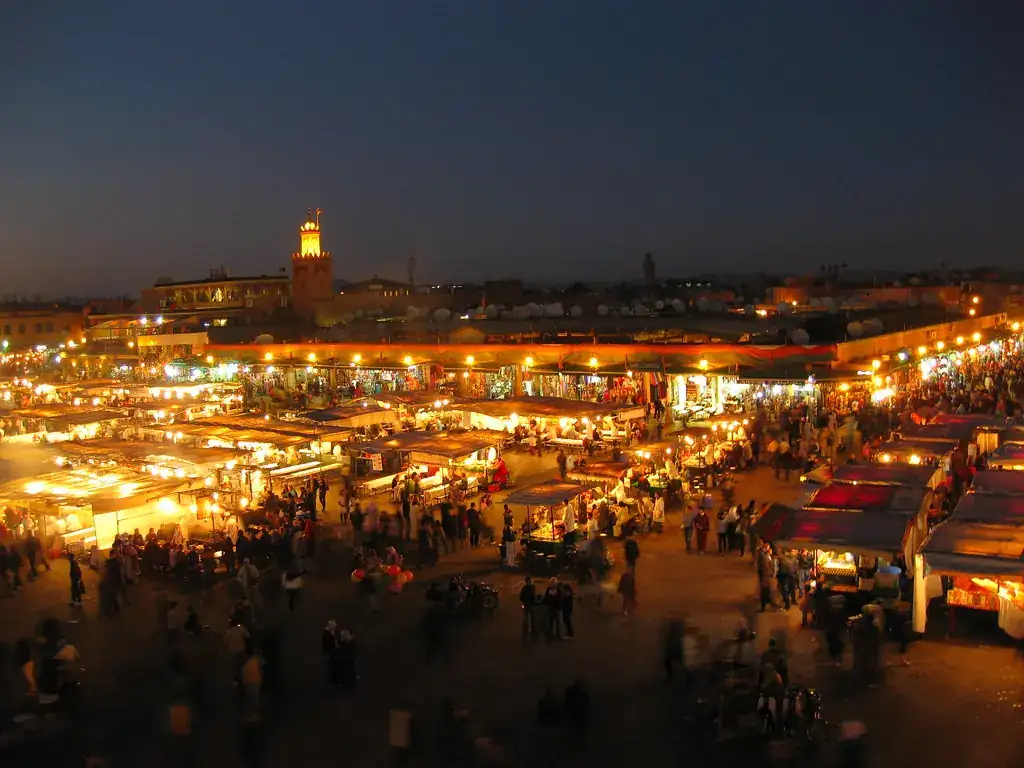
Marrakech · 9 min read
Marrakech Food Tours: What to Taste in the Medina
What to eat in the Marrakech medina, how a tasting walk differs from a cooking class, and how to tell whether a food tour actually leaves Jemaa el-Fna.
Read guide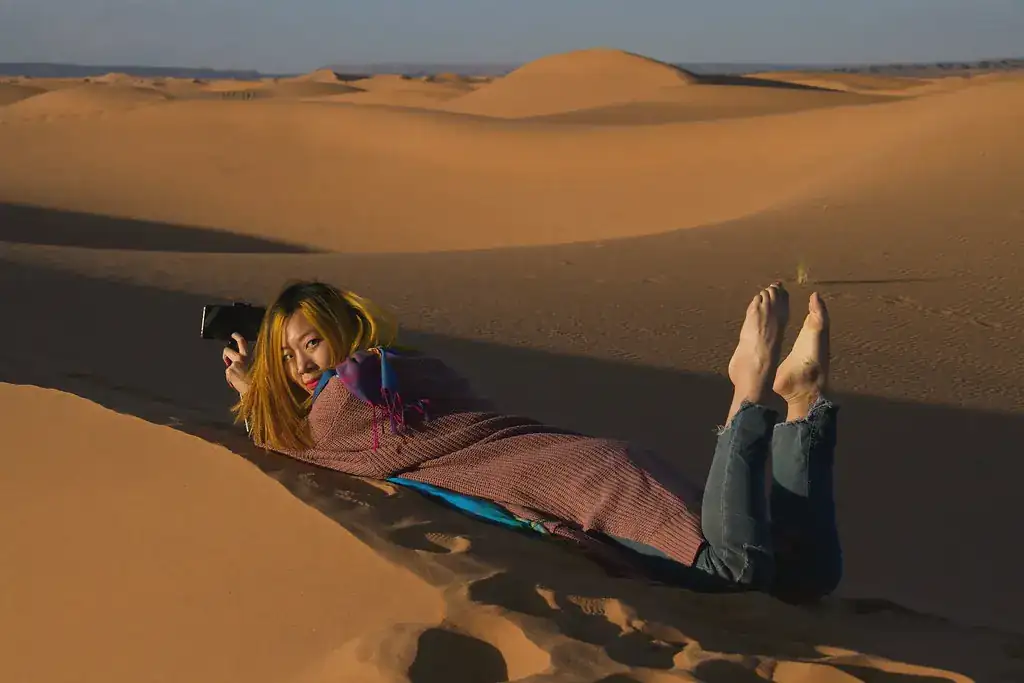
Merzouga · 9 min read
Merzouga Desert Safari: Planning an Erg Chebbi Stay
How far Merzouga really is, how sunset trips, camp nights and multi-day tours differ, and what to pack for a night in the Erg Chebbi dunes.
Read guide