
Field guide / Morocco · Essaouira · 6 min read
Planning an Essaouira Stay Around Wind and Weather
The surprise in Essaouira is not usually the sunshine. It is how cool you can feel standing in it. Arrive from Marrakech dressed for inland heat, and the first gust along the seafront can send you looking for another layer. Planning an Essaouira stay around wind and weather means separating three things that do not always arrive together: bright skies, warm air and comfortable beach conditions. You can have a lovely coastal break without spending much of it lying on the sand.
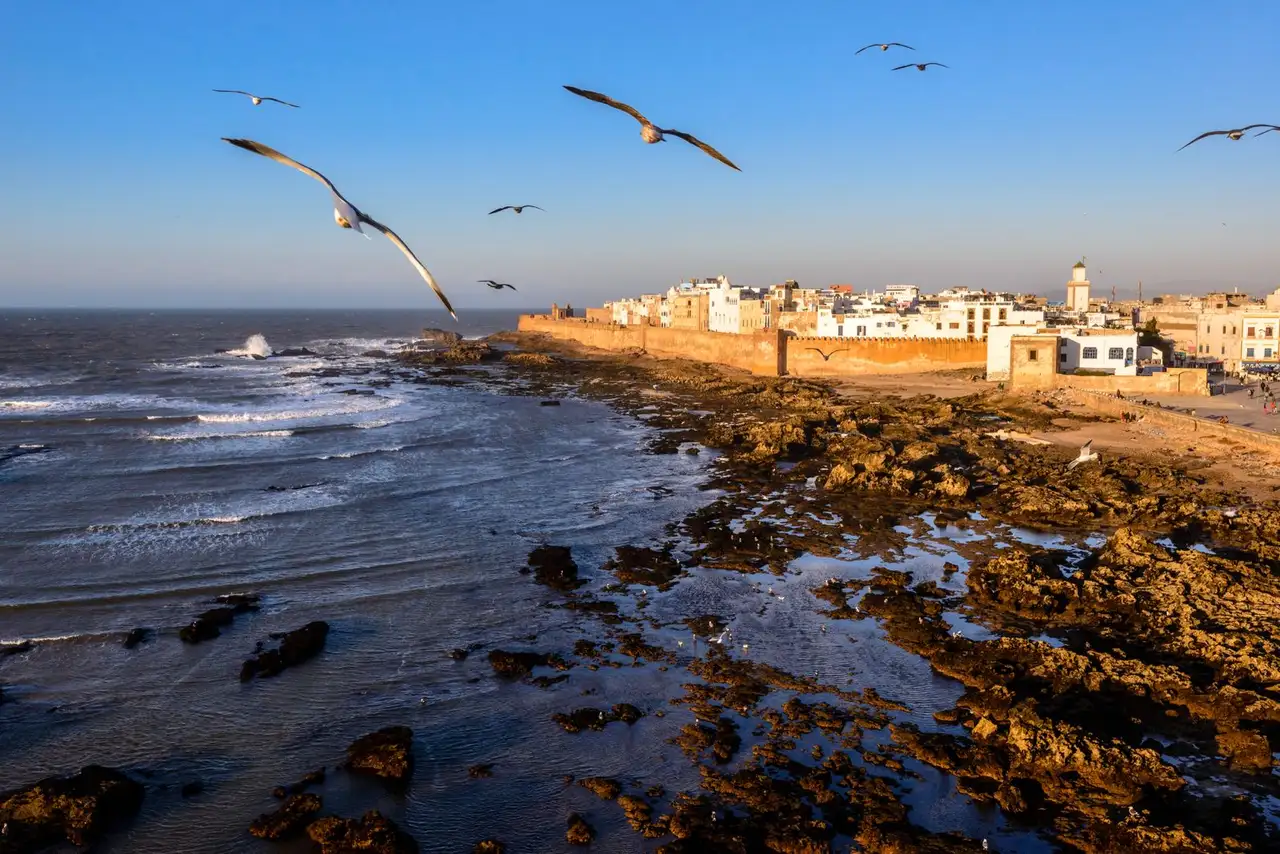
Which months suit the stay you actually want?
Late spring and summer commonly bring persistent coastal wind, making Essaouira a welcome escape from inland heat but a less reliable choice for lazy sunbathing. A sunny summer afternoon can feel pleasantly mild inside the medina and distinctly chilly on an exposed terrace. This is also why the town attracts windsurfers and kitesurfers. If your main goal is reading under a parasol and swimming for hours, do not assume that Morocco’s summer heat guarantees those conditions here.
Early autumn can be a useful compromise, with the possibility of warmer-feeling beach afternoons and less relentless wind, though no month promises calm. Winter suits travellers happier with walks, cafés and time indoors between outings; rain, gusty spells and cool evenings need room in the plan. Spring can be appealing too, but wind remains part of the bargain. Choose dates around your tolerance for it rather than hunting for a supposedly wind-free season, and allow several nights if beach time matters.
Why the journey from Marrakech changes your packing
Marrakech lies inland, roughly a half-day road journey from Essaouira once transfers and stops are included. The change in comfort can be more striking than the change on a thermometer: dry inland heat gives way to Atlantic air, and wind strips warmth away when you stop moving. A day trip is possible, but the road takes a substantial share of the day. Two or three nights give you time to enjoy the town without making one blustery afternoon your entire impression.
Pack a light wind-resistant jacket, a long-sleeved layer and trousers even for a summer visit. In cooler months, add something genuinely warm for evenings rather than relying on a thin shirt. A scarf helps around the neck, while a secure hat is more useful than a loose, wide-brimmed one on the ramparts. Sunscreen and sunglasses still earn their space: cool skin is not evidence of weak sun. For walking, trainers or secure sandals cope better than flip-flops with uneven paving and sandy stretches.
What does a realistic beach day look like?
Essaouira’s main beach curves south from the port and medina, with the promenade following the town-facing side of the bay. You can reach the northern end easily on foot from the old town, so there is no need to commit to a whole beach day before seeing the conditions. Mornings may be calmer than afternoons during windier periods, but treat that as a possibility, not a timetable. Have breakfast, look at the water and moving sand, then decide how much beach kit to carry.
The Atlantic can feel cold even when the air is warm. Waves, currents and water-sports activity also make swimming a separate decision from sunbathing; follow local safety instructions and avoid launching areas used by boards and kites. For many visitors, the satisfying version of beach time is a long walk, a short paddle and lunch out of the wind. If you want a lesson, an instructor helps with equipment, suitable conditions and safety. Strong wind does not automatically mean suitable conditions for a beginner.

Where can you go when the seafront feels too exposed?
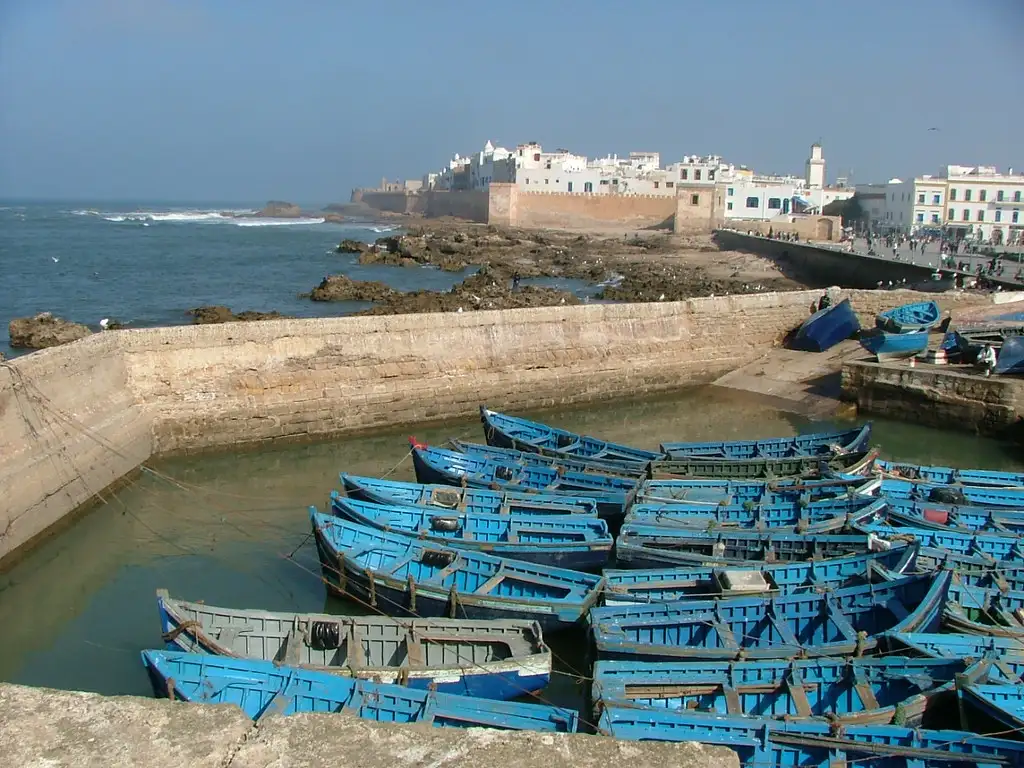
The medina sits immediately north of the main beach, with the working port at its southwestern edge. This compact geography makes it easy to alternate between open coast and sheltered lanes. The sea-facing ramparts and port are atmospheric places to watch the weather arrive, but neither should be treated as a refuge from it. Inside the walls, enclosed cafés, courtyards and quieter lanes can feel much more comfortable. Keep outdoor sightseeing flexible instead of saving every coastal viewpoint for a single afternoon.
A self-guided wander is usually enough for enjoying the medina’s shops, galleries and cafés; a guide is more useful if you want context about its architecture or craft workshops than simply help getting around. At the port, leave room for people handling boats and fish, and ask before photographing workers closely. Seafood makes an easy weather-proof lunch plan if you choose somewhere with indoor seating. Where fish is priced by weight, agree on the weight, cooking charge and accompaniments before it reaches the grill.
Does a sea-view room make sense in windy weather?
A sea view and a usable terrace are not the same thing. An exposed rooftop may look appealing in photographs yet be uncomfortable for breakfast when the wind gets up. Look for accommodation with somewhere sheltered to sit, and ask about heating if travelling in winter; a cool, damp-feeling room can matter more than its outlook. Rooms facing lively lanes may bring evening noise, while seafront rooms can make the weather very audible. Decide which trade-off you would rather live with.
Most medina accommodation cannot be reached directly by taxi. Cars stop at accessible gates or nearby roads, leaving a walk over paving that can be uneven, sometimes followed by narrow stairs inside the building. Ask the property for its nearest practical drop-off and luggage arrangements if carrying heavy bags or travelling with limited mobility. Accommodation along the beachfront outside the walls generally makes vehicle access simpler, but the walk back towards the medina is more exposed. A shorter route on a map is not always the more comfortable one.
How should you organise each day around the forecast?
Read the wind forecast alongside the temperature: speed, gusts and timing are more useful here than a sunshine symbol alone. Use it a few days ahead to shape plans, then make beach decisions nearer the time. Leave boat outings and water-sports sessions flexible because operators may change or cancel them for conditions. On windy days, do exposed walks while they feel comfortable, then move indoors. Avoid filling every hour; Essaouira works well with enough slack to change direction without losing a paid activity.
Domestic holiday periods and summer weekends can make the beach and central lanes busier even when it is too windy for your idea of sunbathing. During Ramadan, some daytime eating options reduce their hours and the town’s rhythm shifts towards evening; on Fridays, some small businesses pause around midday prayers and lunch. Keep modest cash for small purchases, and have an indoor meal option near your accommodation. Before setting off on a long beach walk, put a layer in your bag even if the doorway feels warm.
A place to start
Experiences in Essaouira
Browse current activities and check the route, meeting point, inclusions and cancellation terms before booking. This is a search, not a personally reviewed tour.
Plan the next step
Activities in Essaouira
Browse current GetYourGuide and Viator listings for Essaouira. Compare the route, meeting point, inclusions and cancellation terms before booking.
Disclosure: these are GetYourGuide and Viator partner links. If you book through them, Real Morocco Guide may earn a commission at no extra cost to you. Listings, prices and reviews come from the providers, not from us. How we work
Also on GetYourGuide
Plan your time
Before you go
Choose what matters most
Use the chapters above to decide what you want to see, then check current access and travel arrangements.
When comparing
Allow for the full journey
Compare meeting points, time on the road and time at the destination, not only the advertised duration.
Before paying
Confirm the details
Read the current provider listing for inclusions, accessibility needs and cancellation terms.
More ways to explore
Choose between exploring independently and comparing guided experiences. Search results are not selected or reviewed tours; confirm all details with the provider.
Explore independently
Use the planning notes above, then verify transport, access and opening details directly before setting out.
Compare guided options
Check what each listing actually includes, the meeting point and how much free time is available.
Explore options ↗Good to know
- Check current transport and access details before leaving.
- Ask the operator about any mobility or dietary needs before booking.
- Keep time in your schedule for changes to the route or weather.
Compare available experiences
Check current inclusions, reviews and cancellation terms with the provider.
Frequently asked questions
Should I book an experience in advance?
It depends on your travel dates and the activity. Check current availability and cancellation rules directly with the provider.
What should I check before reserving?
Confirm the meeting point, what is included, total time commitment, accessibility arrangements and the latest cancellation policy.
Further reading
Background reading, not verification of individual tour listings.
Trusted resources
Official sources worth checking before you travel. We are not affiliated with them.
Keep exploring
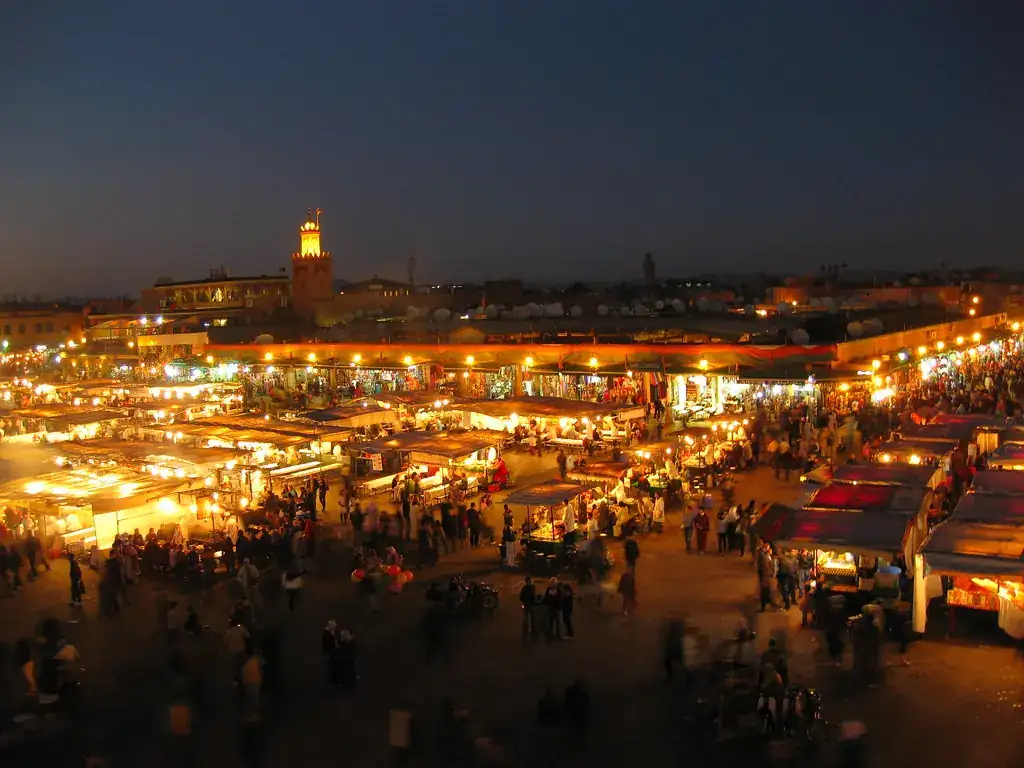
Marrakech · 9 min read
Marrakech Food Tours: What to Taste in the Medina
What to eat in the Marrakech medina, how a tasting walk differs from a cooking class, and how to tell whether a food tour actually leaves Jemaa el-Fna.
Read guide
Merzouga · 9 min read
Merzouga Desert Safari: Planning an Erg Chebbi Stay
How far Merzouga really is, how sunset trips, camp nights and multi-day tours differ, and what to pack for a night in the Erg Chebbi dunes.
Read guide