
Field guide / Morocco · Fes · 6 min read
Fes Craft Walk Planning
Two Fes craft walks can promise leather, weaving and metalwork yet deliver quite different afternoons. One may explain materials and working methods; another may spend most of its time in shops. Before comparing prices, decide what you want to understand and how much shopping you actually want to do. In Fes el-Bali, the old medina, a guide can make navigation easier and workshop encounters more intelligible. Neither benefit follows automatically from a long list of stops. Useful Fes craft walk planning starts with the route, the guide’s role and the terms of each visit.

Are you booking craft interpretation or a shopping walk?
Start by asking what happens at each stop. Watching someone work, hearing a technique explained, trying it yourself and browsing finished goods are four different activities. A walk described as a workshop tour may include production spaces that also sell directly to visitors; that is not inherently a problem. The question is how much time goes to each purpose. Ask for an indicative itinerary with the crafts named and a distinction between demonstrations, working workshops and retail visits. A promise of many stops tells you little about the depth of the explanations.
For a curious non-shopper, a shorter route concentrating on two or three crafts may suit better than a broad circuit. Someone furnishing a home or looking for a particular textile may benefit from a guide who can interpret specifications, dimensions and delivery terms. Say which kind of visitor you are. Ask whether the guide or booking company receives commissions from purchases, and whether declining to buy changes the itinerary. Commission arrangements do not by themselves establish poor guiding, but evasive answers make it harder to judge whose priorities shape the afternoon.

Does the route make sense on the ground?
Bab Boujloud is a useful western reference point for the medina. From that side, the principal lanes of Talaa Kebira and Talaa Sghira lead generally downhill into the deeper commercial quarters. Place Seffarine, associated with metalworking, lies near the Qarawiyyin complex farther inside. Chouara tannery is in the northeastern part of the old medina. These are not interchangeable stops clustered around one square. A route linking them involves connecting lanes, changes in level and potentially some retracing, especially if it returns you to the starting point.
Allow roughly half a day for several substantial craft encounters rather than treating the walk as a quick orientation. The actual pace depends on the group, conversations and shopping. Taxis cannot take you door to door through the medina’s narrow interior lanes; arrange a named, vehicle-accessible meeting point or a pickup on foot from your accommodation. If an itinerary includes a pottery workshop beyond the old medina, ask where it is and whether transport is included. That extra journey should be visible in the plan, not discovered midway through your walking time.
What does the guide add beyond finding the way?
Navigation is a genuine service here. Map positioning can be imperfect among tightly packed buildings, and a lane that looks promising may end at a doorway. A guide is particularly useful if you have limited time, want to discuss techniques across a language barrier or need a route with fewer difficult passages. Compare the language offered, group size and experience explaining your chosen crafts. Ask whether the person conducting the walk is a licensed guide. Licensing and specialist craft knowledge are separate questions; neither a booking platform nor polished promotional photography demonstrates both.
Look for an explanation of what you will learn: how a loom operates, how a metal object is formed and finished, or which stages of leather production are visible. No guide can reasonably guarantee that every artisan will be carrying out a particular process when you arrive. Workshop activity follows work, not just visitor schedules. A credible itinerary leaves room for that uncertainty and explains possible alternatives. Private walks can suit travellers who need slower pacing or detailed questions; small groups can work well for general interest, provided everyone can hear and see without crowding the workspace.

How should you judge tannery and workshop access?
Chouara tannery is often viewed from terraces reached through leather shops. Comparing walks means asking whose terrace is used, whether any separate payment is expected and how much retail time follows the view. A terrace visit is not the same as entering the working tannery below. Claims of special access need a precise explanation, including permission and safety arrangements. The smell can be strong, and stairs may be part of the approach. Anyone sensitive to odours or unable to manage steps should have an alternative agreed before booking.
Elsewhere, remember that a working space is not a stage set. Ask before photographing people, tools in use or workshop interiors; permission from the guide should not replace the artisan’s consent. Stay clear of hot metal, moving equipment and materials laid out to dry. In the lanes around craft quarters, visitors share space with residents, deliveries and handcarts, so stop explanations somewhere that leaves a passage. An unsolicited escort offering a shortcut or declaring your destination closed is not necessarily acting for your booked guide. Settle any proposed service and payment before following.
Which timing and walking conditions suit you?
Morning can be more comfortable in hot weather, though an early start does not guarantee that every workshop is active. Summer heat makes uphill returns tiring; rain can leave paving slippery, and winter shade can feel cold. Wear shoes with grip, carry water and choose clothing comfortable for bending, stairs and close working spaces. Clothes covering shoulders and knees are a considerate choice. Friday prayer affects the rhythm of some businesses, while Ramadan can alter working patterns and energy levels. Ask about likely workshop activity on your actual date rather than assuming a standard daily timetable.
Accessibility needs more detail than a label saying the walk is easy. Expect uneven surfaces, slopes, narrow passages and possible steps at individual premises. For wheelchair users or travellers who cannot stand for long, request a route-specific account of entrances, resting places and toilets; a private booking alone does not remove physical barriers. Crowded lanes also slow progress. Families and anyone sensitive to noise may prefer fewer stops, with a break away from hammering or machinery. Agree where the walk finishes, especially if a long uphill return would be difficult.
What should be agreed before you pay?
Compare the total arrangement, not just the headline rate: duration, private or shared format, language, transport, terrace payments, any hands-on session, and the cancellation terms. Clarify whether the quoted amount covers the whole party or each person. Keep some small-denomination cash for incidental purchases and agreed payments; card acceptance varies between businesses. If shopping is part of your plan, keep the walk fee separate from the price of goods so you can assess each purchase without confusing it with the guide’s service.
For anything substantial, get the material, dimensions, agreed price and delivery terms in writing from the seller. A guide’s introduction is not a guarantee of quality or shipping performance. You can send a concise booking brief: your main craft interests, preferred pace, appetite for shopping, mobility needs and available time. Request a proposed route and what replaces an unavailable workshop. Keep the meeting-point details and the guide’s contact information available offline, then leave enough time to reach the meeting place without depending on a taxi entering the pedestrian lanes.
A place to start
Experiences in Fes
Browse current activities and check the route, meeting point, inclusions and cancellation terms before booking. This is a search, not a personally reviewed tour.
Plan the next step
Activities in Fes
Browse current GetYourGuide and Viator listings for Fes. Compare the route, meeting point, inclusions and cancellation terms before booking.
Disclosure: these are GetYourGuide and Viator partner links. If you book through them, Real Morocco Guide may earn a commission at no extra cost to you. Listings, prices and reviews come from the providers, not from us. How we work
Also on GetYourGuide
Plan your time
Before you go
Choose what matters most
Use the chapters above to decide what you want to see, then check current access and travel arrangements.
When comparing
Allow for the full journey
Compare meeting points, time on the road and time at the destination, not only the advertised duration.
Before paying
Confirm the details
Read the current provider listing for inclusions, accessibility needs and cancellation terms.
More ways to explore
Choose between exploring independently and comparing guided experiences. Search results are not selected or reviewed tours; confirm all details with the provider.
Explore independently
Use the planning notes above, then verify transport, access and opening details directly before setting out.
Compare guided options
Check what each listing actually includes, the meeting point and how much free time is available.
Explore options ↗Good to know
- Check current transport and access details before leaving.
- Ask the operator about any mobility or dietary needs before booking.
- Keep time in your schedule for changes to the route or weather.
Compare available experiences
Check current inclusions, reviews and cancellation terms with the provider.
Frequently asked questions
Should I book an experience in advance?
It depends on your travel dates and the activity. Check current availability and cancellation rules directly with the provider.
What should I check before reserving?
Confirm the meeting point, what is included, total time commitment, accessibility arrangements and the latest cancellation policy.
Further reading
Background reading, not verification of individual tour listings.
Trusted resources
Official sources worth checking before you travel. We are not affiliated with them.
Keep exploring
Marrakech · 9 min read
Marrakech Food Tours: What to Taste in the Medina
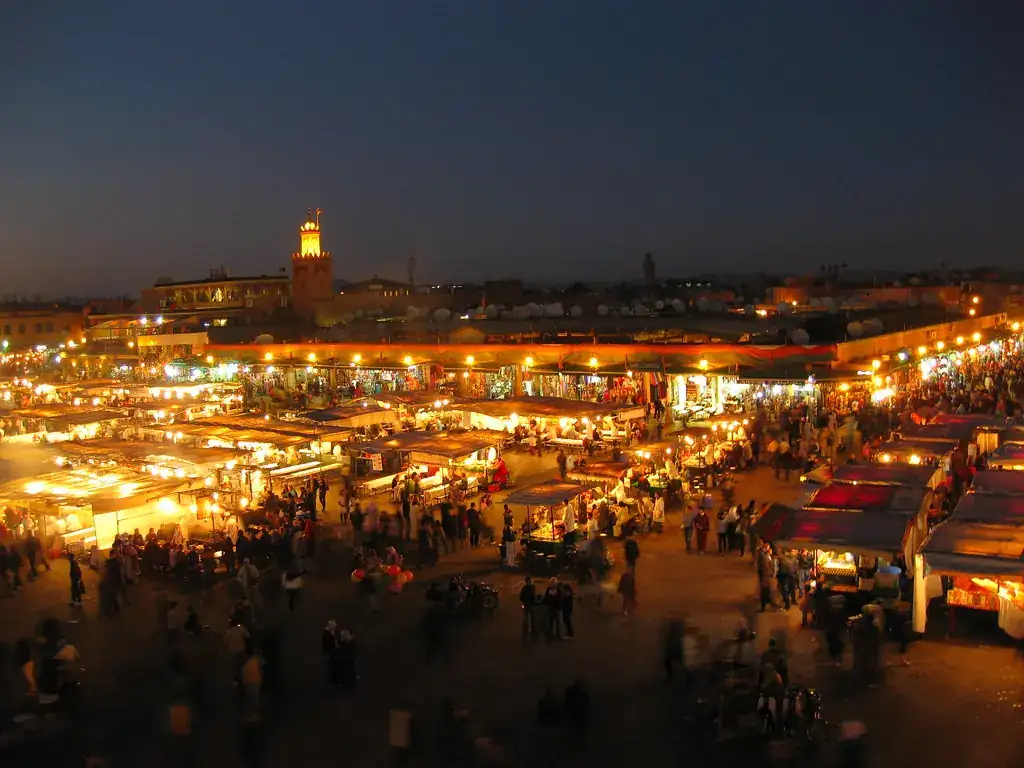
What to eat in the Marrakech medina, how a tasting walk differs from a cooking class, and how to tell whether a food tour actually leaves Jemaa el-Fna.
Read guide
Merzouga · 9 min read
Merzouga Desert Safari: Planning an Erg Chebbi Stay
How far Merzouga really is, how sunset trips, camp nights and multi-day tours differ, and what to pack for a night in the Erg Chebbi dunes.
Read guide