
Field guide / Morocco · Fes · 6 min read
Choosing a Food Tour in Fes
Ten stops can mean ten satisfying tastes, or several tiny samples followed by a meal you barely have room for. A shorter itinerary might feed you better and leave more time to understand what you’re eating. Choosing a food tour in Fes starts with reading beyond the headline: what is served, how it is shared, who can eat it and how the group moves through the medina. Those details matter far more than the length of the food list.
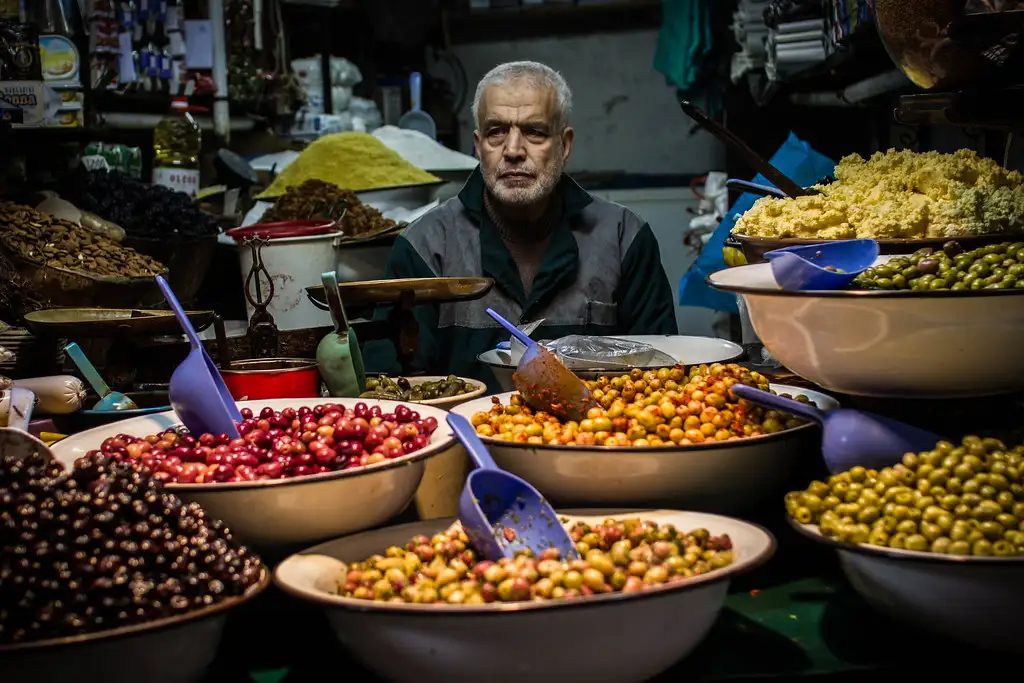
What counts as a tasting—and will you need dinner?
A stop is a location, not a serving size. Buying a piece of fruit, tasting an olive and sitting down to a bowl of soup may each count as one. Ask for a sample menu that distinguishes individual portions from shared plates, and snacks from a seated meal. If the description promises a full meal, find out whether that means a separate lunch or enough food accumulated along the walk. Both formats can work, but they call for different appetites.
Look for variety rather than a long sequence of similar bites. A route might include bread, olives, a cooked savoury dish, something sweet and tea; the actual selection will depend on the operator and vendors. Msemen, the layered griddled flatbread, is more substantial than its appearance suggests, especially with honey. Harira can also be filling. Ask which dishes everyone receives and which are shared across the group. Don’t book another substantial meal immediately afterwards unless the tour is explicitly a light tasting walk.
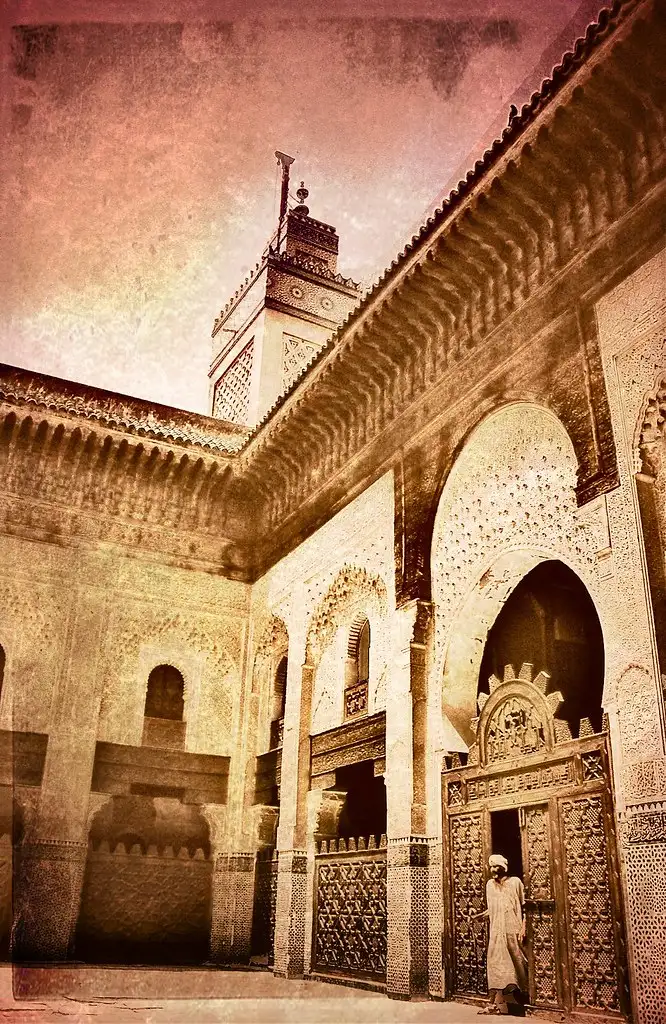
How much flexibility is there for dietary needs?
Vegetarian, vegan and allergy-friendly are not interchangeable promises. A vegetable dish may use meat stock; harira recipes vary and may contain meat, wheat and pulses. Pastries can contain nuts, butter or honey, while bread and msemen are unsuitable for someone avoiding gluten. Rather than asking only whether a vegetarian option exists, request the proposed substitutions. A tour that replaces several savoury tastings with bread and sweets may technically accommodate you without providing a balanced or particularly interesting meal.
For a serious allergy or coeliac disease, explain the issue before paying and ask about shared utensils, griddles, frying oil and preparation surfaces. A guide can translate questions and discuss ingredients, but cannot guarantee an uncontrolled kitchen is free of cross-contact. Decide whether that uncertainty is acceptable for you. Private tours can offer more scope to change vendors or pace, though they are not automatically safer. Dietary accommodation should be agreed with the operator, not improvised at the first stall.
How does group size change the experience?
A narrow lane is a poor place for a large semicircle of hungry visitors. In Fes el-Bali, the old medina, shoppers, handcarts and working animals also need to get through. A smaller group generally makes it easier to hear explanations, ask questions and receive food before everyone has moved on. Ask for the maximum group size rather than the usual attendance, and whether one guide stays with the whole party. The difference matters most at tiny counters with little standing room.
A shared tour suits travelers who enjoy company and are comfortable with a fixed menu and pace. A private walk is more useful for families with different appetites, anyone needing frequent rests, or people with detailed dietary questions. It also allows more time for conversation with vendors when they are willing and not busy. Whatever the format, ask how shared food is divided. One communal plate for a large party tells you little about how much each person will actually eat.
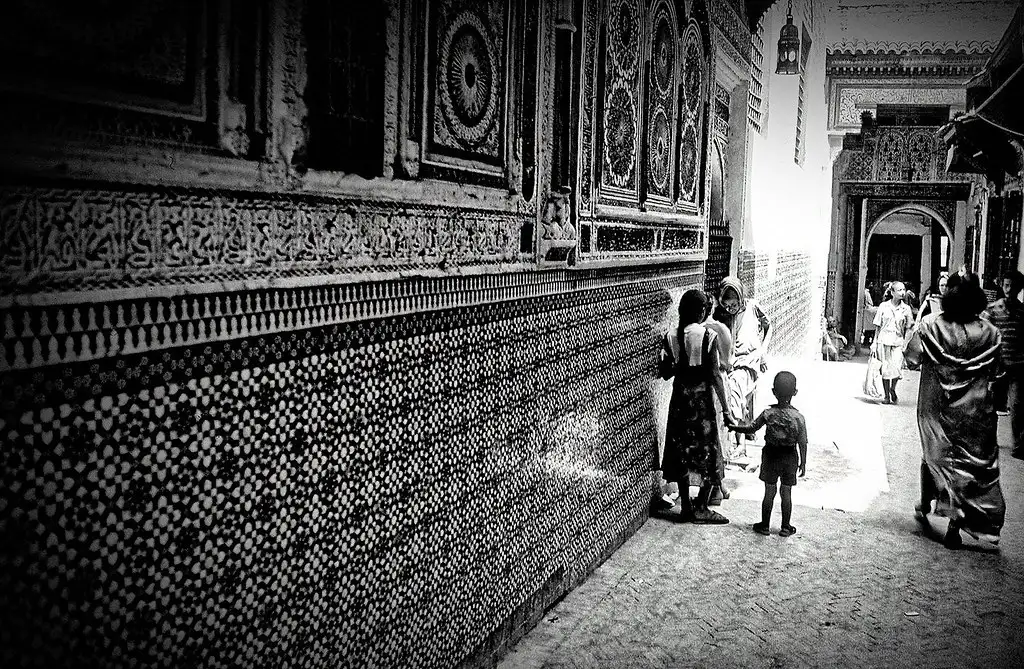
Where does the route go, and how hard is the walking?
Bab Boujloud is a common access point on the western side of Fes el-Bali. From nearby, Tala’a Kebira and Tala’a Sghira lead down into the medina toward its deeper commercial areas; returning uphill feels different after eating. The food sellers around Rcif provide another useful point of orientation on the eastern side. A route between different access points can save retracing your steps, but the finish may be inconvenient for your accommodation. Get the start and end locations before arranging transport.
Much of the old medina is inaccessible to cars, so a taxi cannot necessarily deliver you to a tasting venue or collect you outside a riad. Allow time to walk from the nearest vehicle-accessible point. Expect uneven paving, slopes, occasional steps and sections where people squeeze past each other. For wheelchair access, limited mobility or a pushchair, request route-specific details rather than accepting a general claim that the walk is easy. Ask about seating and toilets too; a slow food tour can still mean a long time on your feet.
What does a guide add beyond finding the stalls?
A useful food guide explains what distinguishes the dishes, how people eat them and why a particular vendor fits the route. Navigation is part of the value: the medina’s branching lanes can make an independent tasting crawl awkward, particularly on a short visit. But finding your way should not consume the whole experience. Ask how much of the outing is food-focused and whether craft workshops or shops are included. A tannery viewing terrace or carpet presentation should not quietly replace eating time.
Agree in advance whether shopping visits are optional, and be cautious about unsolicited offers to redirect you to the meeting point or an alternative guide. Keep the operator’s contact details accessible. At stalls, let the guide ask before photographing vendors or customers; buying something does not imply permission for portraits. Clothing that covers shoulders and knees is a considerate choice in the medina, and comfortable closed shoes help on the uneven lanes. Carry some dirhams for anything outside the included menu and any tip you choose to give.
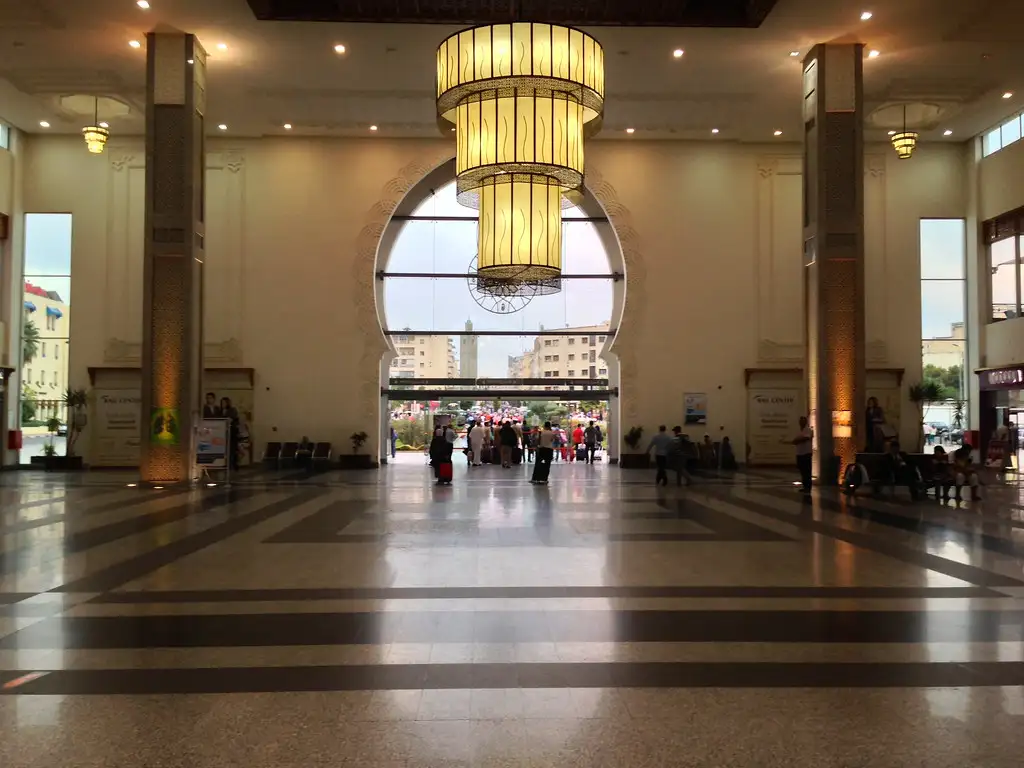
Which timing and booking details deserve a closer look?
Leave a generous gap around the advertised duration rather than scheduling a train departure or timed activity immediately afterwards. Ask how much time is spent walking, standing and sitting. In hot weather, shade and water breaks matter more than squeezing in another stop. Ramadan can substantially change daytime food availability and the timing of evening service; a daytime itinerary should not be assumed to run unchanged. Friday trading rhythms can also differ between vendors, so request the menu and departure arrangements for your actual date.
Before paying, get a written outline of the inclusions: individual tastings, shared dishes, any seated meal, drinking water and other drinks. Establish what happens if a vendor is closed and whether a replacement provides comparable food rather than simply another stop. Read the cancellation terms, especially for a private booking built around dietary needs. Then plan your day around the answer: eat lightly beforehand without arriving ravenous, carry water, and save the meeting-point directions offline so your first task in the medina is not finding a phone signal.
A place to start
Experiences in Fes
Browse current activities and check the route, meeting point, inclusions and cancellation terms before booking. This is a search, not a personally reviewed tour.
Plan the next step
Activities in Fes
Browse current GetYourGuide and Viator listings for Fes. Compare the route, meeting point, inclusions and cancellation terms before booking.
Disclosure: these are GetYourGuide and Viator partner links. If you book through them, Real Morocco Guide may earn a commission at no extra cost to you. Listings, prices and reviews come from the providers, not from us. How we work
Also on GetYourGuide
Plan your time
Before you go
Choose what matters most
Use the chapters above to decide what you want to see, then check current access and travel arrangements.
When comparing
Allow for the full journey
Compare meeting points, time on the road and time at the destination, not only the advertised duration.
Before paying
Confirm the details
Read the current provider listing for inclusions, accessibility needs and cancellation terms.
More ways to explore
Choose between exploring independently and comparing guided experiences. Search results are not selected or reviewed tours; confirm all details with the provider.
Explore independently
Use the planning notes above, then verify transport, access and opening details directly before setting out.
Compare guided options
Check what each listing actually includes, the meeting point and how much free time is available.
Explore options ↗Good to know
- Check current transport and access details before leaving.
- Ask the operator about any mobility or dietary needs before booking.
- Keep time in your schedule for changes to the route or weather.
Compare available experiences
Check current inclusions, reviews and cancellation terms with the provider.
Frequently asked questions
Should I book an experience in advance?
It depends on your travel dates and the activity. Check current availability and cancellation rules directly with the provider.
What should I check before reserving?
Confirm the meeting point, what is included, total time commitment, accessibility arrangements and the latest cancellation policy.
Further reading
Background reading, not verification of individual tour listings.
Trusted resources
Official sources worth checking before you travel. We are not affiliated with them.
Keep exploring
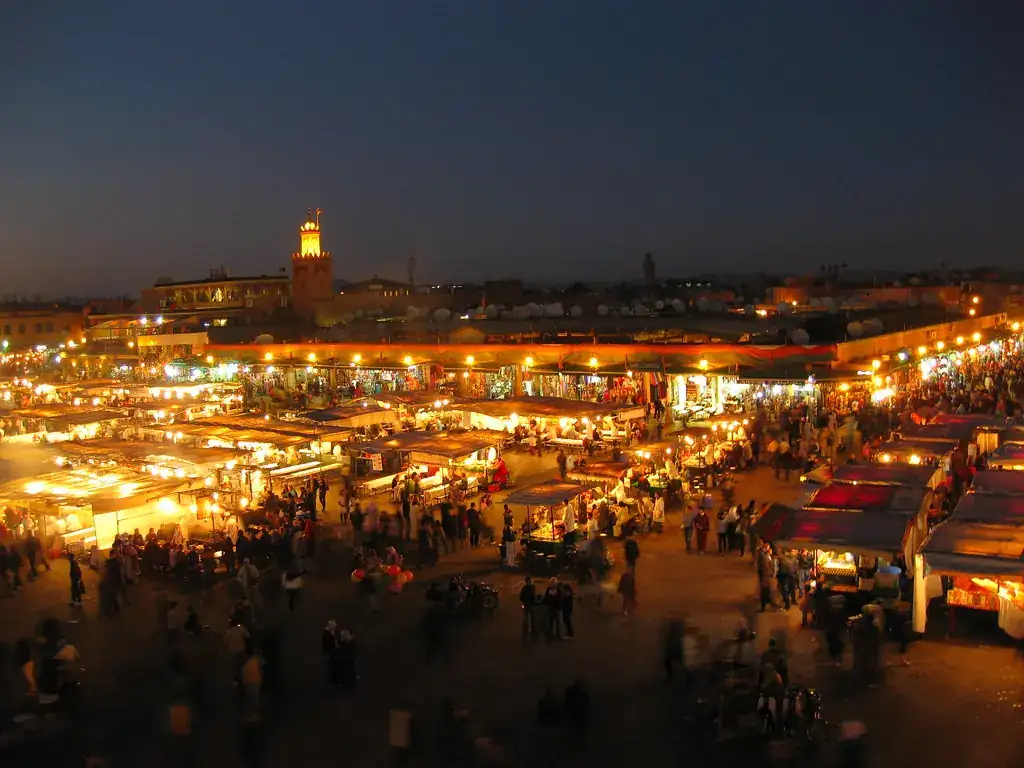
Marrakech · 9 min read
Marrakech Food Tours: What to Taste in the Medina
What to eat in the Marrakech medina, how a tasting walk differs from a cooking class, and how to tell whether a food tour actually leaves Jemaa el-Fna.
Read guide
Merzouga · 9 min read
Merzouga Desert Safari: Planning an Erg Chebbi Stay
How far Merzouga really is, how sunset trips, camp nights and multi-day tours differ, and what to pack for a night in the Erg Chebbi dunes.
Read guide