
Field guide / Morocco · Fes · 5 min read
Fes Medina for First-Time Visitors
Fes el-Bali is one of the easiest places in Morocco to underestimate. On a map, it looks compact; in reality, it is a dense network of narrow lanes where cars cannot go and GPS frequently fails. For a first visit, the most important things to figure out are where you will enter, how you will reach your riad, and whether a guide is actually necessary for your pace.
Sort out your arrival before you land
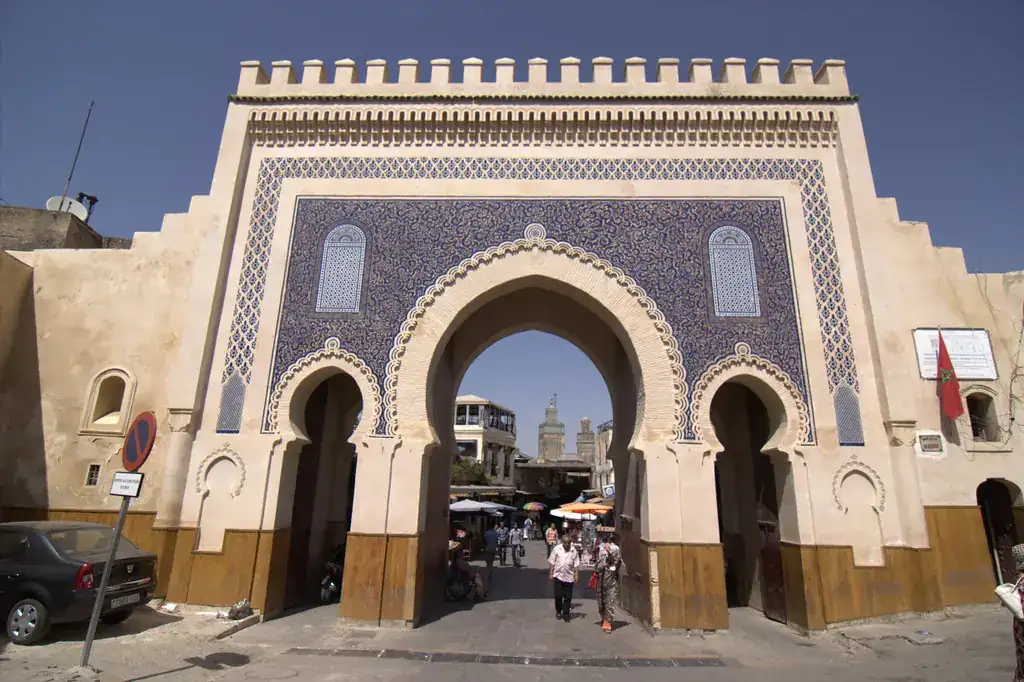
If you are staying inside the old city, do not rely on a street address alone. Map apps often struggle with the density of the medina, and a pin might drop you three streets away from the actual door. Contact your riad beforehand and ask for their specific drop-off point, such as Bab Bou Jeloud or Place R'cif. Most riads will send a staff member or a porter with a cart to meet you at the nearest gate, which is far better than dragging luggage over uneven stones while looking for a nameplate.
Expect to pay a small fee for a luggage porter, but agree on this before they start walking. From Fes-Saïs Airport, a grand taxi is the usual way to reach the medina edge; from the railway station, a petit taxi works. Taxis cannot enter the heart of the medina, so you will always be dropped at a perimeter gate. If you arrive late at night, a pre-arranged transfer from your riad is usually worth it just to avoid hunting for a specific alleyway in the dark.
Understanding the medina layout
Entering through the blue-tiled gate of Bab Bou Jeloud puts you at the top of the two main downhill arteries: Tala'a Kebira and Tala'a Sghira. These streets are the backbone of the medina. They run roughly parallel toward the Qarawiyyin Mosque and the Chouara Tanneries. If you stick to these two paths, you can find landmarks like the Bou Inania Madrasa or the Nejjarine Museum without much trouble. The difficulty starts when you turn off into side alleys that split and reconnect without warning.
A useful trick: the medina generally slopes downward toward the river and the tanneries. If you are heading back toward Bab Bou Jeloud, you will usually be walking uphill. Before you leave your accommodation, take a photo of the doorway and any nearby landmark, such as a fountain or a carved arch. If you truly lose your way, ask a shopkeeper or a cafe waiter rather than following the first person who approaches you on the street.
Do you actually need a guide?
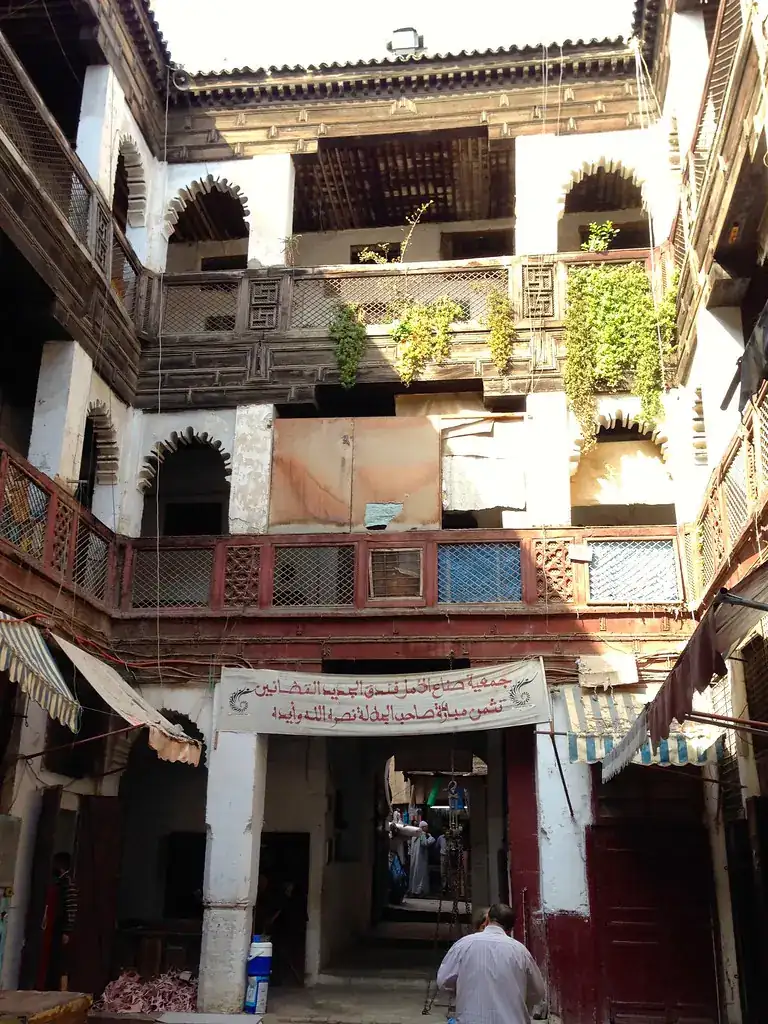
A guide is not mandatory in Fes, but one is genuinely useful if you only have half a day and want to see the main highlights without the stress of navigation. An official guide can take you straight to the Seffarine copper beaters, the tannery viewpoints and the madrasas. Without one, you might spend a long time just trying to find the way to the Mellah or the Royal Palace gates. Be clear about your interests upfront; otherwise, you might spend more time in carpet shops than looking at zellij tilework.
If you prefer to explore independently, Fes is manageable, provided you have a thick skin for sales pitches. You can see a lot by walking the main lanes and stopping for mint tea when the crowds get heavy. The medina is at its busiest in the late afternoon when locals are out shopping. On Fridays, many shops close for a while around midday prayers, which makes the lanes calmer for photography but less useful for shopping.
The reality of the Chouara Tanneries
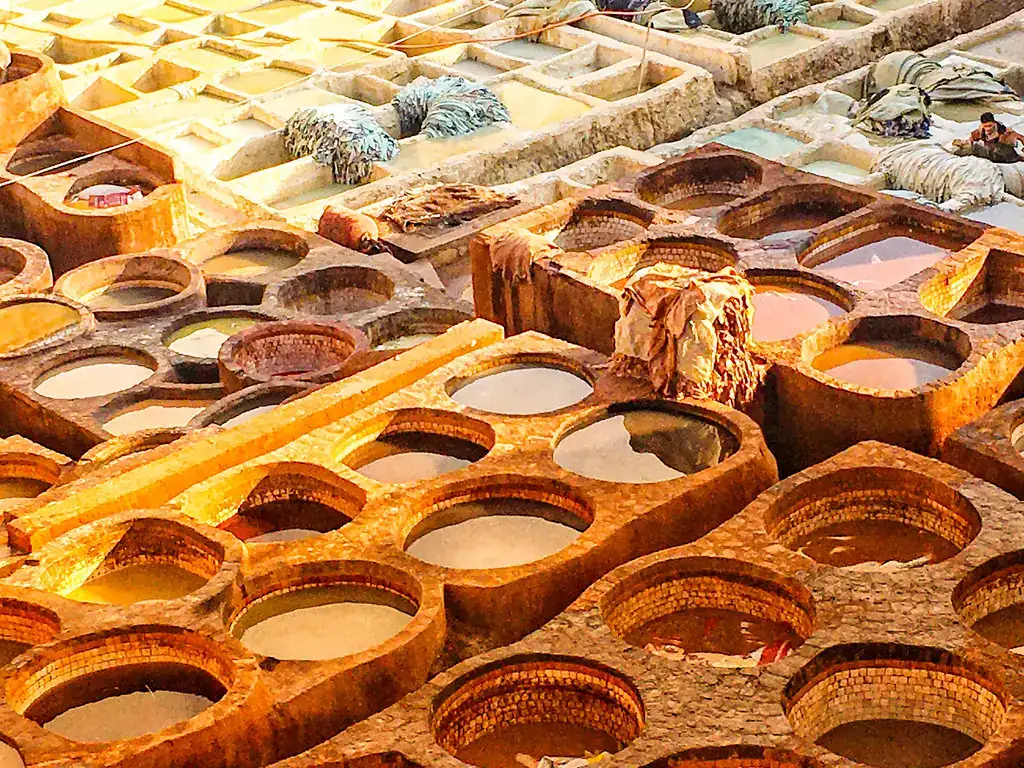
To see the dyeing vats, you usually have to enter one of the leather shops surrounding the pits and head to their terraces. Many shopkeepers will hand you a sprig of mint to mask the strong smell of the hides. You are not required to buy anything, but there is often an expectation to leave a small tip for the terrace access if you don't make a purchase.
Morning is usually best, when the vats are most active with workers. If you are sensitive to smells, the mint helps, but it won't block everything. Beyond the tanneries, the nearby Seffarine square is worth a visit to see metalworkers hammering out large brass and copper pots. The noise is constant, and it is one of the few places where you can watch a traditional trade still working in the open.
Practicalities for a day on your feet
Fes is a city built for walking, and the stones are often slick or uneven. Leave the sandals in your room and wear shoes with good grip. You will be sharing the narrow lanes with donkeys and handcarts; when you hear a shout of 'balak!' it means get to the side immediately. Carry cash in small denominations. Some upscale riads and large carpet shops take cards, but most food stalls, small craft shops and ticket desks want dirhams.
Most people in Fes are used to tourists, but ask before taking a close-up portrait of a craftsman or a shopkeeper, and do not photograph people praying. If you need a break from the noise, head to the Jnan Sbil gardens just outside the medina walls. It is a rare green space between the old city and the new town and offers a much-needed reset before heading back into the lanes.
A place to start
Experiences in Fes
Browse current activities and check the route, meeting point, inclusions and cancellation terms before booking. This is a search, not a personally reviewed tour.
Plan the next step
Activities in Fes
Browse current GetYourGuide and Viator listings for Fes. Compare the route, meeting point, inclusions and cancellation terms before booking.
Disclosure: these are GetYourGuide and Viator partner links. If you book through them, Real Morocco Guide may earn a commission at no extra cost to you. Listings, prices and reviews come from the providers, not from us. How we work
Also on GetYourGuide
Plan your time
Before you go
Choose what matters most
Use the chapters above to decide what you want to see, then check current access and travel arrangements.
When comparing
Allow for the full journey
Compare meeting points, time on the road and time at the destination, not only the advertised duration.
Before paying
Confirm the details
Read the current provider listing for inclusions, accessibility needs and cancellation terms.
More ways to explore
Choose between exploring independently and comparing guided experiences. Search results are not selected or reviewed tours; confirm all details with the provider.
Explore independently
Use the planning notes above, then verify transport, access and opening details directly before setting out.
Compare guided options
Check what each listing actually includes, the meeting point and how much free time is available.
Explore options ↗Good to know
- Check current transport and access details before leaving.
- Ask the operator about any mobility or dietary needs before booking.
- Keep time in your schedule for changes to the route or weather.
Compare available experiences
Check current inclusions, reviews and cancellation terms with the provider.
Frequently asked questions
Should I book an experience in advance?
It depends on your travel dates and the activity. Check current availability and cancellation rules directly with the provider.
What should I check before reserving?
Confirm the meeting point, what is included, total time commitment, accessibility arrangements and the latest cancellation policy.
Further reading
Background reading, not verification of individual tour listings.
Trusted resources
Official sources worth checking before you travel. We are not affiliated with them.
Keep exploring
Marrakech · 9 min read
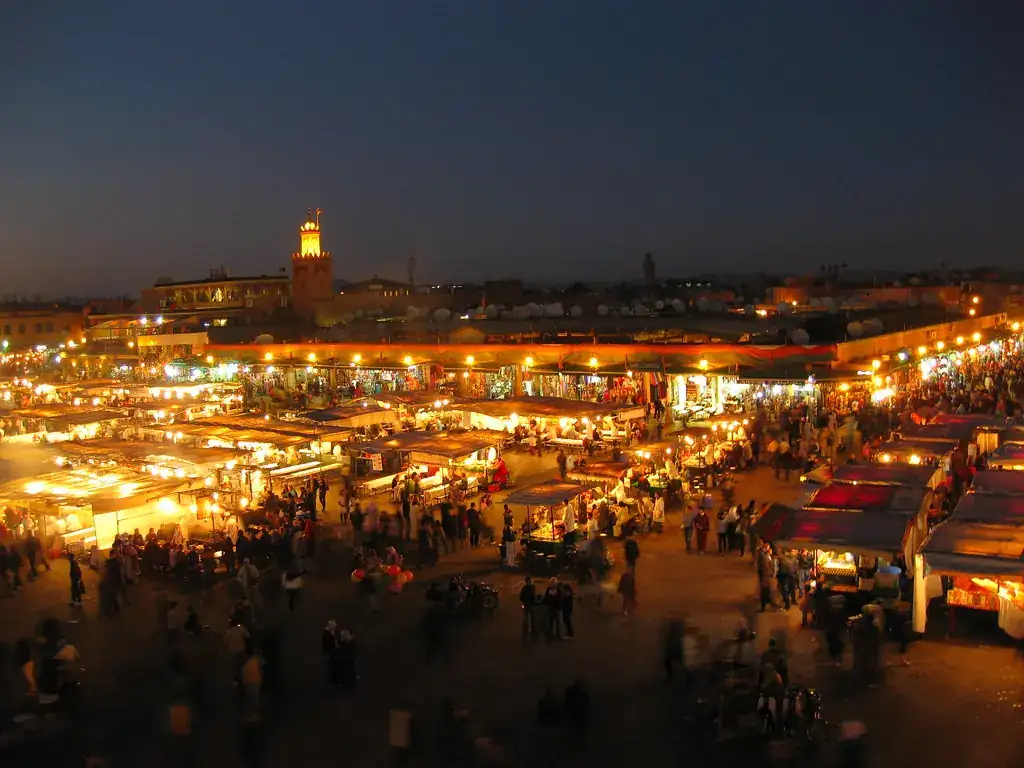
Marrakech Food Tours: What to Taste in the Medina
What to eat in the Marrakech medina, how a tasting walk differs from a cooking class, and how to tell whether a food tour actually leaves Jemaa el-Fna.
Read guide
Merzouga · 9 min read
Merzouga Desert Safari: Planning an Erg Chebbi Stay
How far Merzouga really is, how sunset trips, camp nights and multi-day tours differ, and what to pack for a night in the Erg Chebbi dunes.
Read guide