
Field guide / Morocco · Oujda · 6 min read
Planning a Medina and Food Walk in Oujda
The tricky part of a medina and food walk in Oujda is getting the timing right: shops may be trading when the kitchen you want is quiet, and a late lunch can leave you browsing on an empty stomach. Build the walk around one proper meal, leave room for a small snack, and keep the route compact. Oujda rewards ordinary curiosity more than a checklist, especially if you give its working markets time rather than treating them as scenery.
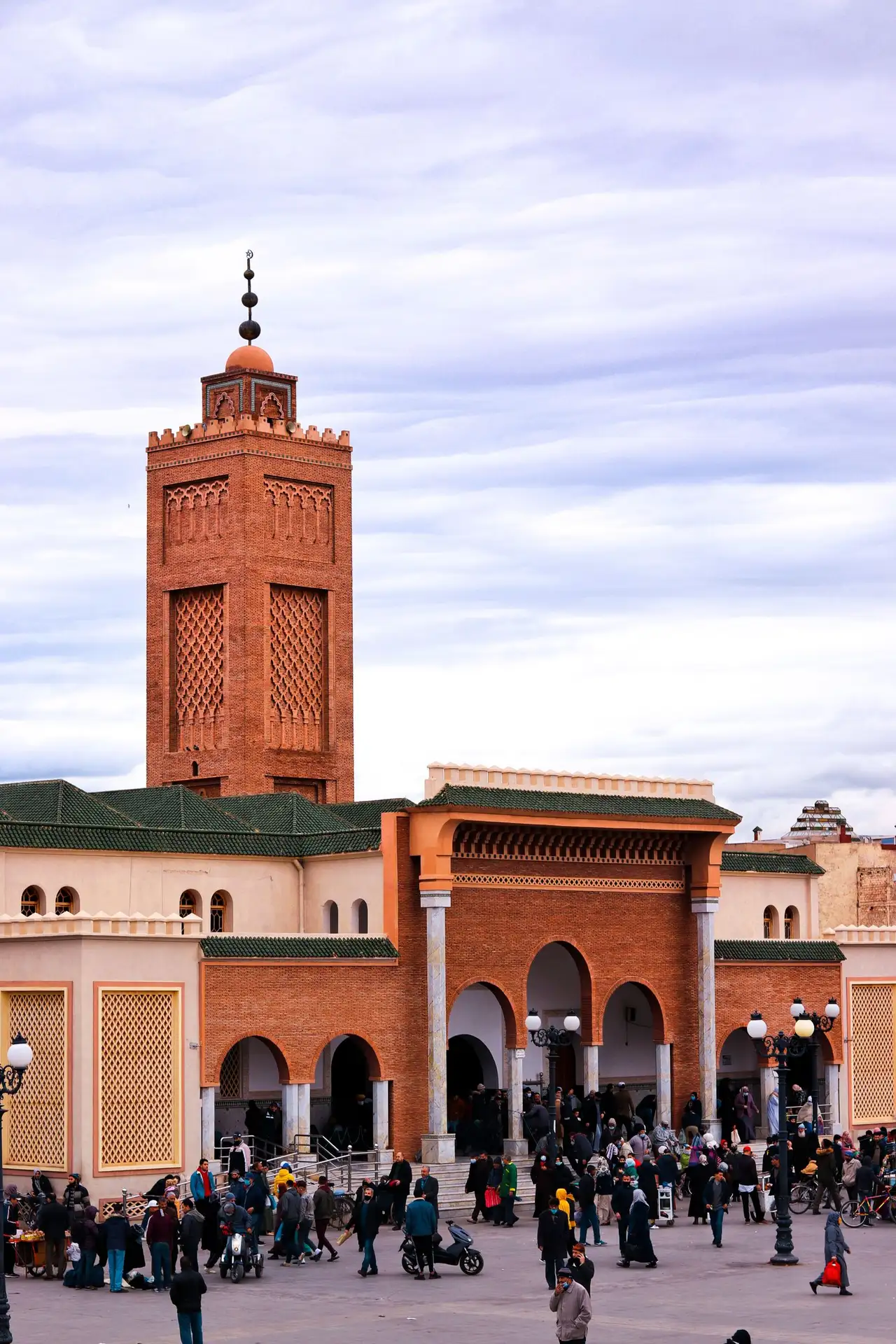
Where should you start, and how much walking should you plan?
Bab Sidi Abdelwahab, on the eastern side of the medina, makes a useful starting landmark. The market streets around it introduce you quickly to everyday shopping rather than a neatly separated visitor quarter. Bab el Gharbi marks the western side of the old town and can serve as a second orientation point. Save both gates on an offline map before setting out. Use them to frame your walk, not as instructions to take the shortest line through every lane.
Allow roughly three hours for a modest outing with browsing, a snack and a seated meal; this is a planning allowance, not a fixed route duration. The medina itself is compact, but detours and decisions stretch the morning. Plot the actual distance from your accommodation rather than assuming that a hotel described as central is beside the gate. For a shorter walk, browse inward from Bab Sidi Abdelwahab and return there. A cross-medina route works better if you are comfortable arranging your return transport from a different edge.

What time works for markets and lunch?
Late morning is a sensible starting point for combining shops and lunch, though there is no single opening schedule for the medina. Food sellers, clothing shops and small workshops follow different routines. Ask your accommodation about the current pattern for the day you intend to go, particularly if you have a particular meal in mind. Do not rely on a map listing alone for a small food business. Leave your restaurant choice flexible enough that a closed doorway does not derail the outing.
Friday can bring pauses around communal prayer, with some businesses reopening later and others keeping a reduced day. During Ramadan, daytime food options may be limited and shopping activity can shift towards the hours before sunset and into the evening. Arrange your own lunch before heading out if you need to eat during the day. In hot weather, move the walking portion earlier and choose a shaded indoor meal stop; Oujda's inland heat can make exposed approaches much harder than the lanes themselves.
How do you browse without turning the walk into a shopping marathon?
Start with the everyday market activity around Bab Sidi Abdelwahab, then follow a manageable selection of lanes into the medina. Look beyond souvenirs: household goods, clothing, spices, olives and bakery counters give the walk its local character. Stock varies from street to street, so resist planning around a supposedly definitive stall. Oujda is not Fes in miniature. Its medina is a place to run errands and buy dinner as much as somewhere for visitors to wander.
Ask before photographing a stall closely, and ask separately before including the seller or customers. Keep doorways clear while deciding what to buy. Prices for ordinary food purchases are often straightforward; establish the portion or weight before paying rather than assuming every transaction calls for bargaining. Carry small-denomination dirhams, since small sellers may not accept cards or have change for a large note. If someone volunteers to lead you to a shop, you can decline politely; agree on any paid help before following them.
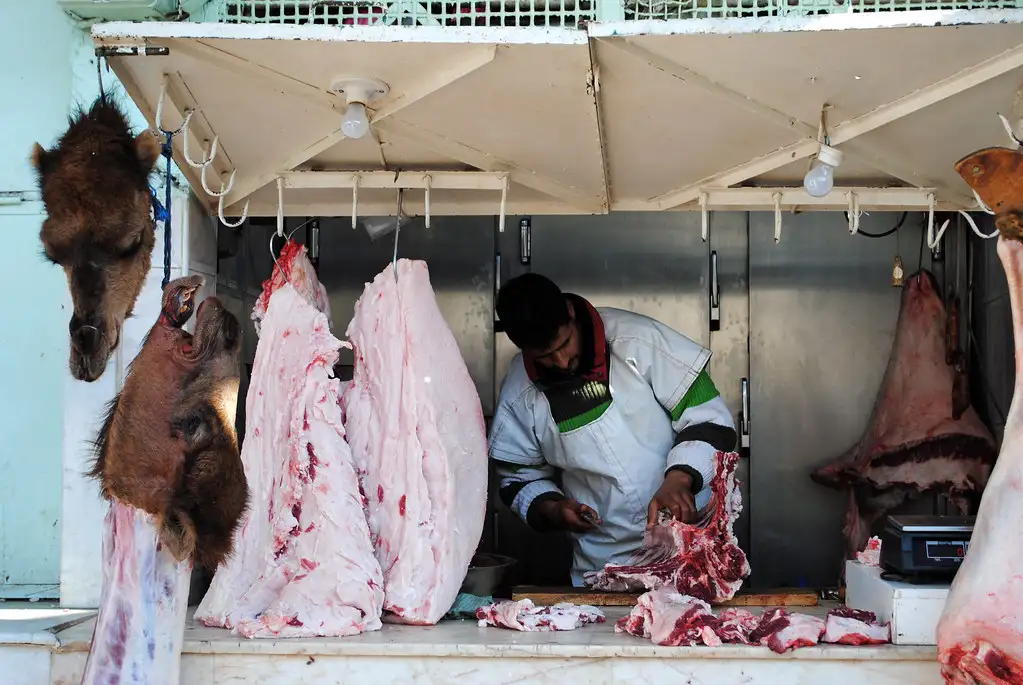
What should you eat along the way?
Karan, the chickpea-flour preparation associated with Oujda and Morocco's east, is a good small snack to ask for. Often served in bread with cumin and, if wanted, something spicy, it can be filling enough to spoil lunch if you order generously. Recipes and serving styles differ. Share a portion if your aim is to taste rather than refuel, and favour a seller whose food is moving steadily and being handled cleanly. A busy counter is useful evidence of turnover, not a guarantee of hygiene.
For the main meal, choose according to what is actually being cooked that day rather than arriving with a long list of dishes. Grilled meat, a cooked vegetable dish or a tagine may be more practical than waiting for a speciality that requires advance preparation. Couscous is often linked with Friday meals, but it is not automatically available in every restaurant. Ask what is ready, what comes with it and the total price before ordering. Keep tea or a bakery purchase for later if you want another reason to pause.
How should you explain dietary needs?
Name the ingredients you cannot eat rather than relying only on labels such as vegetarian. A vegetable dish may contain meat stock or have cooked alongside meat; soup can also be unsuitable despite looking mostly like pulses and vegetables. Karan is based on chickpea flour, but that does not establish an individual seller's full recipe, and bread changes the picture for anyone avoiding gluten. Ask about eggs, dairy, stock and cooking fat as relevant. Simple French can help in many encounters, while a short written dietary note in Arabic is useful when conversation becomes uncertain.
For a serious allergy or coeliac disease, explain that small amounts and shared equipment matter. A tiny stall may be unable to identify every ingredient or prevent cross-contact. If the answer is unclear, choose another meal rather than accepting reassurance you cannot interpret. Carry a safe snack so hunger does not force the decision. For drinking water, an unopened bottle is a straightforward option; request drinks without ice if you do not know its source. Pick a meal stop with somewhere to wash your hands.
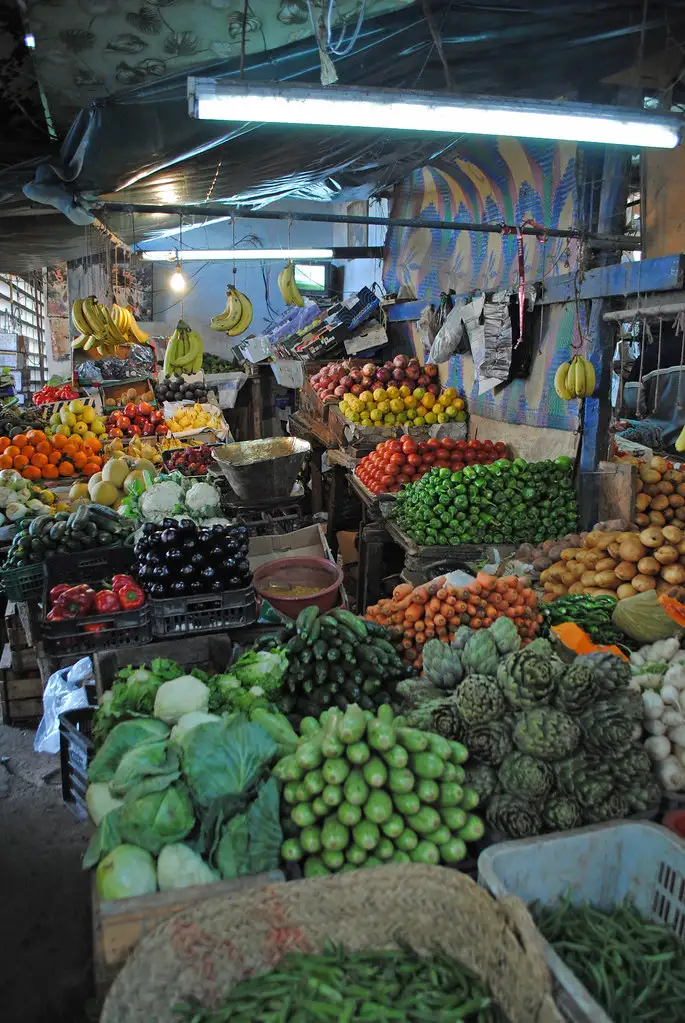
What makes the walk easier on the ground?
The challenge is less sustained climbing than uneven paving, thresholds, narrow passages and people stopping abruptly to shop. Enclosed shoes with grip help. Wheelchair users and travellers who cannot manage steps should arrange a specific route with someone who knows current access conditions; a broad entrance does not guarantee step-free lanes or toilets beyond it. Petit taxis are useful for reaching the medina's perimeter, but do not expect door-to-door access through narrow shopping streets. Arrange the pickup at an accessible road beside a named gate.
Wear breathable clothing with shoulders and knees covered as a practical, considerate default, and bring a layer in cooler months. Keep your phone secure in dense shopping areas and step aside to read the map. A guide is not essential for a short browse, but can help with language, ingredient questions or a tightly limited walking range. If hiring one, agree on the fee, duration and whether shopping commissions are involved. Before committing to lunch, ask about toilet access and choose a table where you can rest properly, not simply the first empty seat.
A place to start
Experiences in Oujda
Browse current activities and check the route, meeting point, inclusions and cancellation terms before booking. This is a search, not a personally reviewed tour.
Plan the next step
Activities in Oujda
Browse current GetYourGuide and Viator listings for Oujda. Compare the route, meeting point, inclusions and cancellation terms before booking.
Disclosure: these are GetYourGuide and Viator partner links. If you book through them, Real Morocco Guide may earn a commission at no extra cost to you. Listings, prices and reviews come from the providers, not from us. How we work
Also on GetYourGuide
Plan your time
Before you go
Choose what matters most
Use the chapters above to decide what you want to see, then check current access and travel arrangements.
When comparing
Allow for the full journey
Compare meeting points, time on the road and time at the destination, not only the advertised duration.
Before paying
Confirm the details
Read the current provider listing for inclusions, accessibility needs and cancellation terms.
More ways to explore
Choose between exploring independently and comparing guided experiences. Search results are not selected or reviewed tours; confirm all details with the provider.
Explore independently
Use the planning notes above, then verify transport, access and opening details directly before setting out.
Compare guided options
Check what each listing actually includes, the meeting point and how much free time is available.
Explore options ↗Good to know
- Check current transport and access details before leaving.
- Ask the operator about any mobility or dietary needs before booking.
- Keep time in your schedule for changes to the route or weather.
Compare available experiences
Check current inclusions, reviews and cancellation terms with the provider.
Frequently asked questions
Should I book an experience in advance?
It depends on your travel dates and the activity. Check current availability and cancellation rules directly with the provider.
What should I check before reserving?
Confirm the meeting point, what is included, total time commitment, accessibility arrangements and the latest cancellation policy.
Further reading
Background reading, not verification of individual tour listings.
Trusted resources
Official sources worth checking before you travel. We are not affiliated with them.
Keep exploring
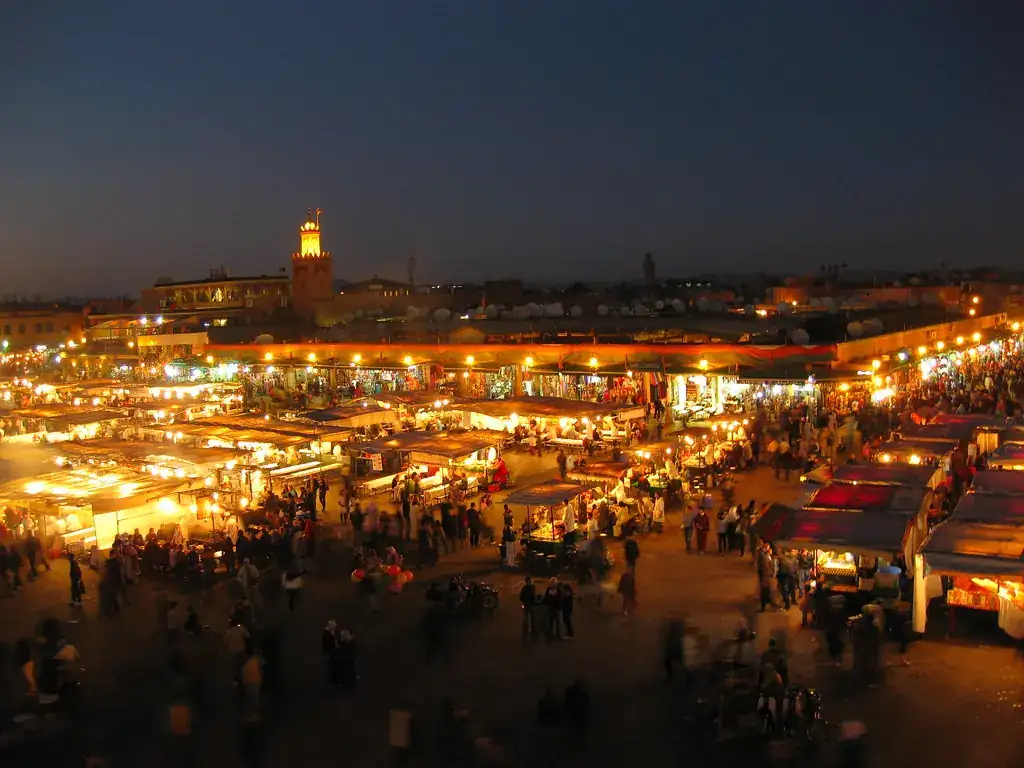
Marrakech · 9 min read
Marrakech Food Tours: What to Taste in the Medina
What to eat in the Marrakech medina, how a tasting walk differs from a cooking class, and how to tell whether a food tour actually leaves Jemaa el-Fna.
Read guide
Merzouga · 9 min read
Merzouga Desert Safari: Planning an Erg Chebbi Stay
How far Merzouga really is, how sunset trips, camp nights and multi-day tours differ, and what to pack for a night in the Erg Chebbi dunes.
Read guide