
Field guide / Morocco · Rabat · 6 min read
Rabat for First-Time Visitors
Rabat is easier to enjoy if you resist turning it into a checklist. The main sights are spread between the old town, the river and the modern city, so a little planning saves unnecessary backtracking. Give the capital a full day for a selective introduction, or two if you want time for Chellah, a museum and unhurried meals. Start with the medina and the Kasbah of the Oudayas, then decide how much more walking you actually want.
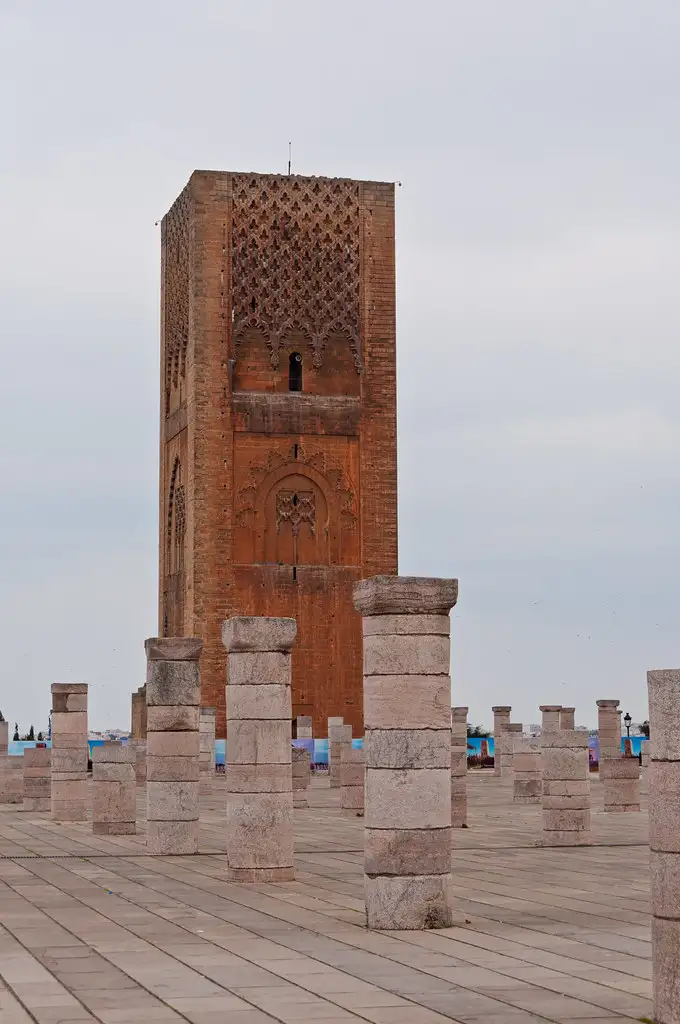
How should you arrange your first day?
Think of central Rabat in three connected pieces. The medina sits north of the modern centre, with the Kasbah of the Oudayas at its seaward edge, above the mouth of the Bou Regreg. Hassan Tower is farther east, overlooking another stretch of the river. Rabat Ville railway station puts you in the modern centre, within a manageable walk of the medina. Rabat Agdal is a different station, farther from this first-day walking route; choose your arrival according to where you are staying.
For a flexible day, walk from the centre through the medina to the kasbah, pause for lunch, then continue towards Hassan Tower if your legs and the weather cooperate. The riverfront makes a pleasant extension, but reaching it and climbing back up adds effort. Take a taxi between clusters rather than spending your energy connecting every sight on foot. With a second day, put Chellah in the cooler morning hours and leave a museum or café break for the afternoon.
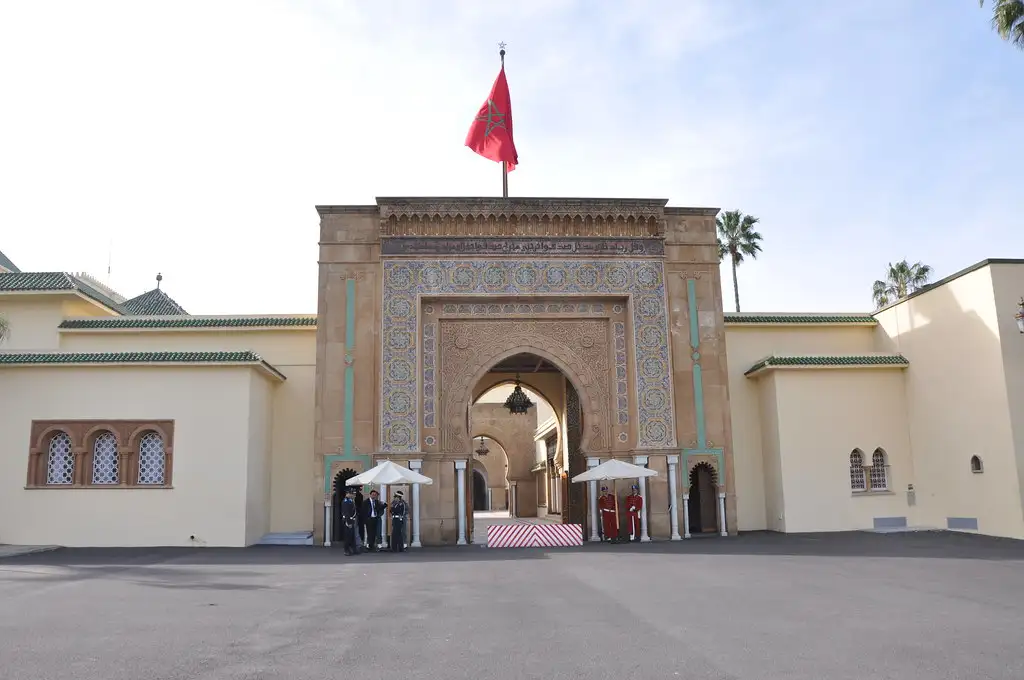
The medina and Oudayas: how much wandering is enough?
Rabat’s medina is generally less demanding to navigate than the old city of Fes, though its narrower lanes can still turn you around. Rue Souika is a useful commercial spine, with everyday shopping alongside goods aimed at visitors. Keep the kasbah as your broad destination rather than trying to follow a perfect sequence of alleys. Allow a couple of hours for browsing and walking through to the Oudayas, longer if you stop to shop. This remains a working neighbourhood, not an open-air souvenir display.
The kasbah is a separate fortified residential quarter, not another name for the whole medina. Its white-and-blue lanes, Andalusian Gardens and views towards Salé reward slow exploration. Expect slopes, steps and uneven paving; taxis can leave you near an entrance but cannot deliver you through the narrow pedestrian lanes. A guide is optional for a straightforward wander, but useful if you want architectural context rather than just photographs. Ask before photographing residents, and do not treat doorways or staircases as sets when people are trying to get home.
Hassan Tower or Chellah—and do you need both?
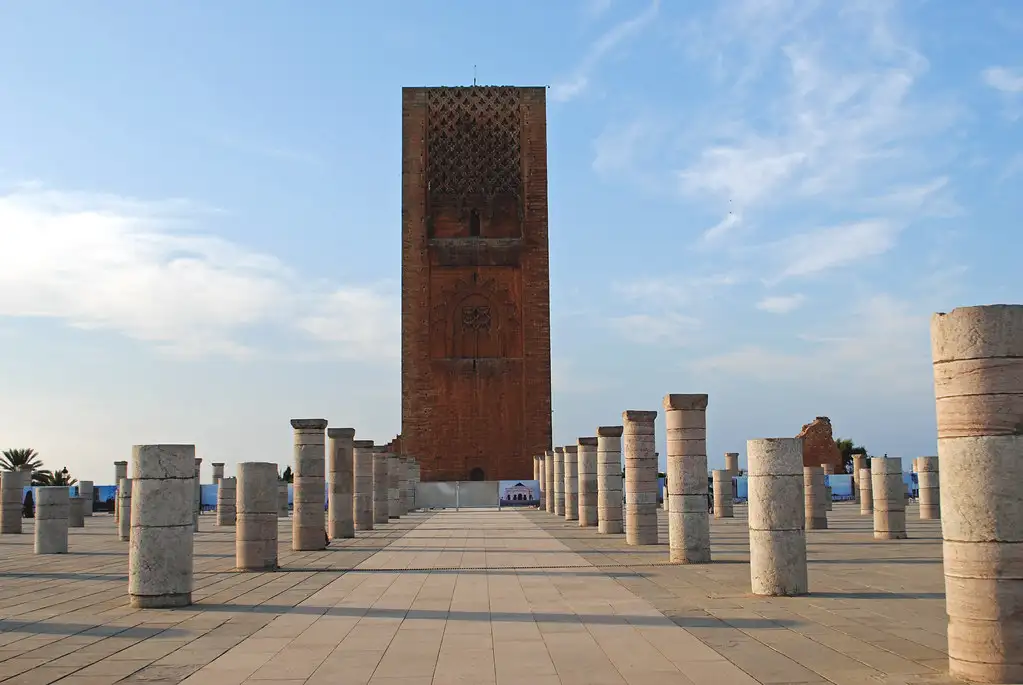
Hassan Tower and the Mausoleum of Mohammed V occupy the same monumental area, so see them together. This is a different mood from the medina: open space, formal architecture and exposed paving rather than intimate lanes. Allow roughly an hour, with more time if you enjoy architectural detail. Dress respectfully for the mausoleum, covering shoulders and knees, and follow attendants’ instructions about access and photography. Rules for this site should not be taken as permission to enter other mosques; most Moroccan mosques are not open to non-Muslim visitors.
Chellah lies southeast of the centre, outside the medina circuit. Its archaeological remains and garden-like setting deserve a separate outing rather than a rushed detour between lunch and a train. A taxi is the simplest connection for many visitors; once inside, expect walking over uneven ground and some changes in level. Give it around an hour and a half, or longer with a guide. This is where guided interpretation can genuinely help distinguish the site’s different layers. Check current opening arrangements and admission prices before setting out.
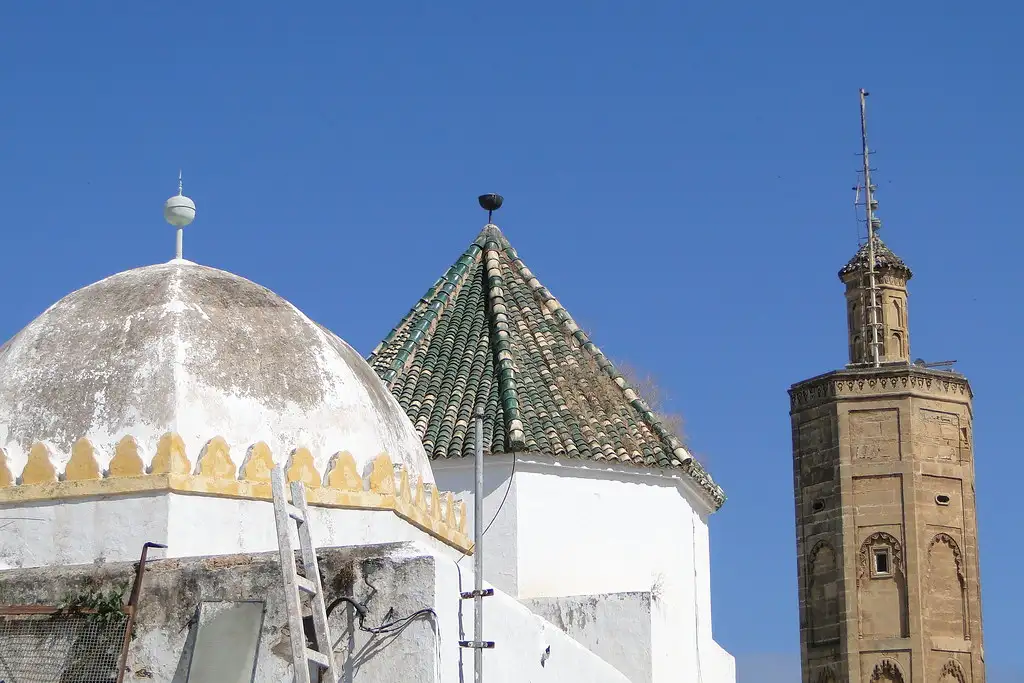
Walking, trams and taxis without unnecessary effort
Central Rabat is walkable in sections, not necessarily as one continuous sightseeing loop. Wide roads and junctions interrupt routes between neighbourhoods, and an attractive view across the river can conceal a longer walk to an actual crossing. The tram is useful for longer urban journeys and for reaching Salé, the separate city across the Bou Regreg. It does not replace the walk into the kasbah or take you around Chellah. Use marked crossings where available, and leave some margin around train departures rather than relying on an optimistic walking estimate.
Rabat’s blue petit taxis are convenient for short trips within the city. Ask for the meter at the start; if the driver proposes a fixed fare, agree it before moving or choose another taxi. They cannot thread through pedestrian lanes, and a trip into Salé may require a different transport arrangement. For step-free travel, the modern centre is generally easier than the kasbah, but kerbs, surfaces and entrances vary. Ask accommodation staff specific questions about lift access, entrance steps and the nearest vehicle drop-off, rather than relying on a broad accessibility label.
Where should you pause for food, shelter or a quieter hour?
Choose a meal stop near the part of town you are exploring. The medina suits a simple lunch between shopping and the kasbah; the modern centre gives you cafés and restaurants around a more regular street grid. Agdal has further dining options but is a separate neighbourhood, not a quick extension of a kasbah stroll. For an indoor change of pace, the Mohammed VI Museum of Modern and Contemporary Art is near Rabat Ville station. It fits naturally with time in the centre, especially on a wet or unusually hot afternoon.
The Atlantic shapes the day here. Sunshine can feel strong on the open esplanade around Hassan Tower, while the kasbah viewpoints and waterfront can be breezy enough to warrant a layer. Cooler months may bring rain, making polished paving and steps slippery. During Ramadan, daytime food options can be reduced and the period around sunset changes the pace of streets and services. Fridays can bring later shop openings or pauses around communal prayers. Keep your meal plans loose, and avoid building a whole afternoon around one small business.
Cash, crowds and small points of etiquette
Carry dirhams in small denominations for taxis, modest cafés and purchases in the medina; card acceptance is less reliable in small businesses than in larger hotels or restaurants. Ask prices before ordering where no menu is displayed. Bargaining belongs in some souvenir purchases, not every transaction. Rabat often feels relatively low-pressure, but unsolicited directions can still lead to a shop or an expected payment. A polite refusal is enough. If you want a guide, arrange the service and fee deliberately rather than drifting into an undefined tour.
The kasbah’s entrances and viewpoints can gather visitors, while the waterfront and beach attract local families, particularly during leisure hours. Earlier visits usually make narrow lanes easier to enjoy without blocking anyone’s path. Everyday city clothing is fine, with more coverage appropriate at religious sites; beachwear belongs at the beach. Ask permission for close photographs of people and avoid photographing military or security installations. Before leaving your accommodation, save its map location and carry its name in writing: a taxi can get you to the right medina gate, but you may still need to walk the final lanes.
A place to start
Experiences in Rabat
Browse current activities and check the route, meeting point, inclusions and cancellation terms before booking. This is a search, not a personally reviewed tour.
Plan the next step
Activities in Rabat
Browse current GetYourGuide and Viator listings for Rabat. Compare the route, meeting point, inclusions and cancellation terms before booking.
Disclosure: these are GetYourGuide and Viator partner links. If you book through them, Real Morocco Guide may earn a commission at no extra cost to you. Listings, prices and reviews come from the providers, not from us. How we work
Also on GetYourGuide
Plan your time
Before you go
Choose what matters most
Use the chapters above to decide what you want to see, then check current access and travel arrangements.
When comparing
Allow for the full journey
Compare meeting points, time on the road and time at the destination, not only the advertised duration.
Before paying
Confirm the details
Read the current provider listing for inclusions, accessibility needs and cancellation terms.
More ways to explore
Choose between exploring independently and comparing guided experiences. Search results are not selected or reviewed tours; confirm all details with the provider.
Explore independently
Use the planning notes above, then verify transport, access and opening details directly before setting out.
Compare guided options
Check what each listing actually includes, the meeting point and how much free time is available.
Explore options ↗Good to know
- Check current transport and access details before leaving.
- Ask the operator about any mobility or dietary needs before booking.
- Keep time in your schedule for changes to the route or weather.
Compare available experiences
Check current inclusions, reviews and cancellation terms with the provider.
Frequently asked questions
Should I book an experience in advance?
It depends on your travel dates and the activity. Check current availability and cancellation rules directly with the provider.
What should I check before reserving?
Confirm the meeting point, what is included, total time commitment, accessibility arrangements and the latest cancellation policy.
Further reading
Background reading, not verification of individual tour listings.
Trusted resources
Official sources worth checking before you travel. We are not affiliated with them.
Keep exploring
Marrakech · 9 min read
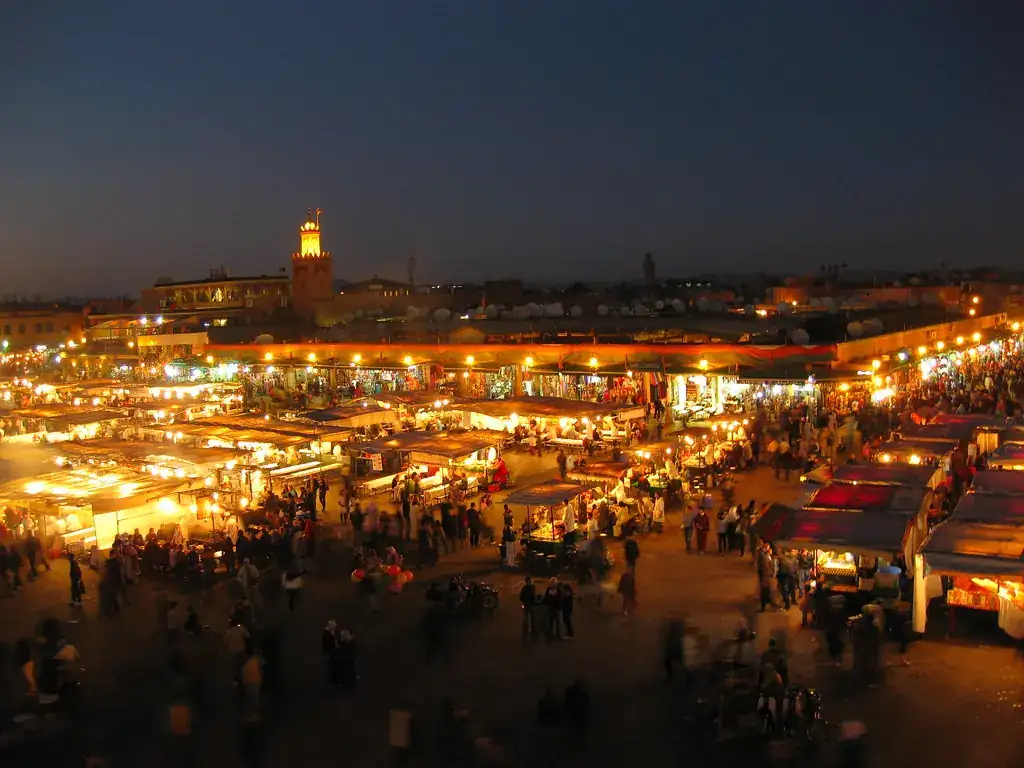
Marrakech Food Tours: What to Taste in the Medina
What to eat in the Marrakech medina, how a tasting walk differs from a cooking class, and how to tell whether a food tour actually leaves Jemaa el-Fna.
Read guide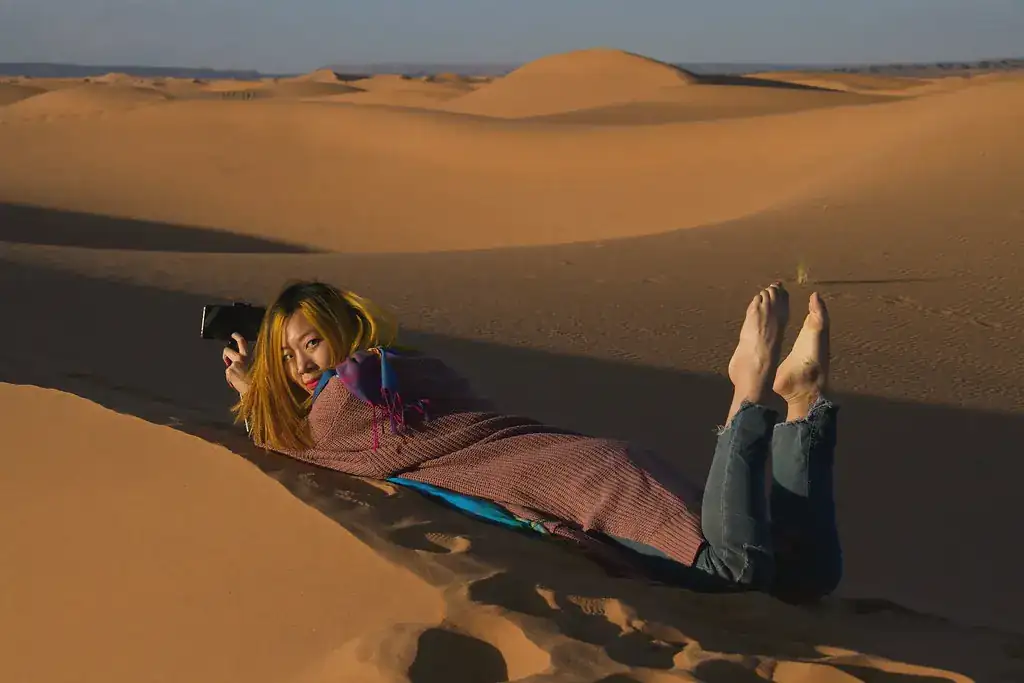
Merzouga · 9 min read
Merzouga Desert Safari: Planning an Erg Chebbi Stay
How far Merzouga really is, how sunset trips, camp nights and multi-day tours differ, and what to pack for a night in the Erg Chebbi dunes.
Read guide