
Field guide / Morocco · Safi · 6 min read
Visiting Pottery Workshops in Safi
A stop labelled a pottery workshop in Safi might mean watching someone shape clay, browsing shelves of finished bowls, or doing both. The difference matters if you have come to see the work rather than simply buy it. Before following anyone through a doorway, ask what is happening that day, whether visitors can watch, and what payment is expected. A few clear questions will make the visit more useful without turning a working studio into a performance.

Where should you start looking for working potteries?
Safi’s Colline des Potiers, usually called Potters’ Hill in English, is the natural starting point. It lies uphill from the medina, near the Bab Chaaba side of the old town. Workshops and sales spaces sit close together here, but a room full of decorated plates does not necessarily have a potter working behind it. Start by asking for a place where production is underway, rather than assuming every ceramics shop includes a demonstration.
Allow around two hours for an unhurried look at a few places, longer if you arrange a hands-on session or choose several pieces. The hill involves slopes, uneven surfaces and workshop thresholds; it is not a reliably step-free outing. A taxi can bring you to road access near the pottery area, but do not assume it can reach every doorway. If walking is difficult, ask a specific workshop about vehicle access, steps and somewhere to sit before setting out.
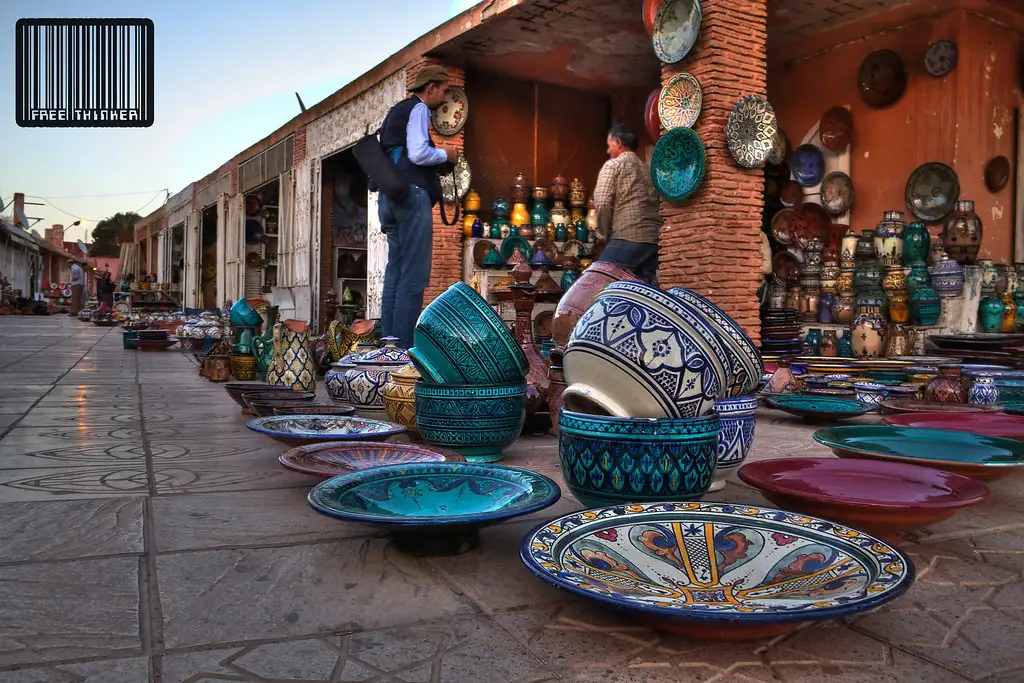
Is this a demonstration, a lesson or a shopping stop?
These are three different visits. Watching a potter throw a vessel may take only a few minutes. A fuller explanation could cover shaping, drying, decoration, glazing and firing, although those stages will not necessarily happen together. A lesson means time, materials and someone stopping their own work to help you. Ask which of these is available and whether there is a charge, an expected tip or an expectation that you will shop afterwards.
Production follows the needs of the workshop, not the visitor’s timetable. There may be painting but no throwing, or finished pieces waiting while another batch dries. Ask what you can actually see today. If you want to make something, establish how it will be dried and fired, when it could be collected and whether delivery is possible. Freshly shaped clay is not a souvenir you can safely put in your bag that afternoon.
What should you ask while the potter works?
Useful questions begin with the object in front of you: was it made here, who shaped it, and who decorated it? Ask which parts are done by hand and whether the same workshop handles the firing. A shop may legitimately sell work from several makers; the point is to understand what you are buying, not demand that every stage happen under one roof. Safi is particularly associated with decorated ceramics, including blue-and-white work, but colour alone does not establish where a piece was made.
A guide helps most when you want a detailed conversation about technique and do not share a language with the craftsperson. For simply browsing, one is not automatically necessary. An arranged craft visit can suit families or visitors who want a lesson, provided the activity and duration are clear in advance. Ask whether your guide receives commission on purchases. If someone approaches you with a promise of a special workshop, agree on any guiding fee before following them; an introduction need not become an obligation to buy.
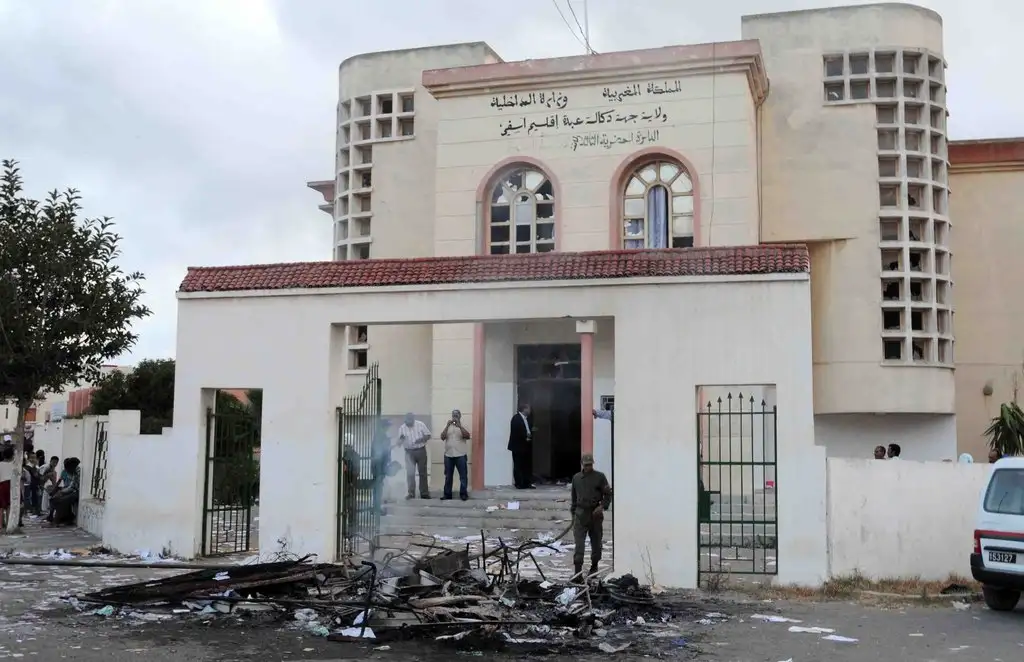
When can you visit without interrupting the work?
Arrange a time directly if seeing a particular process matters to you. Opening and production rhythms vary, and Friday prayer can interrupt the middle of the working day. During Ramadan, some workshops may start later or adjust their hours, with less activity as sunset approaches. Neither Friday nor Ramadan means everything is closed. For a flexible visit, keep another part of Safi’s medina in your plan so a quiet workshop does not derail the day.
Safi is on the Atlantic, so a cool coastal breeze can disguise the strength of the sun on the exposed climb. Wear shoes with grip and comfortable, modest clothing that will not trail into clay or machinery. Ask before photographing people or filming their hands at work, and again before photographing a private work area. Keep clear of wheels, drying racks and kilns. If a group fills a small room, wait rather than crowding the person working; children need close supervision around fragile stock and hot equipment.
How do you choose ceramics you can actually use?
Decide whether the piece is decorative or intended for food before discussing the price. A painted tagine-shaped dish is not necessarily suitable for cooking, and a glazed bowl is not automatically appropriate for every kitchen use. Ask specifically about food contact, hot liquids, ovens, dishwashers and microwaves according to your plans. Appearance cannot establish glaze safety. If the seller cannot give a clear, credible account of its intended use, treat it as decorative rather than choosing it for daily meals.
Inspect your chosen piece in good light, including the rim, base, handles and inside surface. Look for cracks, chips or repairs, and place lids on their own pots to see how they fit. Small differences in shape and brushwork can be part of handmade production; they are not the same as structural damage. Agree on the total price and whether packing is included. Carry cash in manageable denominations, since card payment is not something to assume, and ask for a receipt for a substantial purchase.
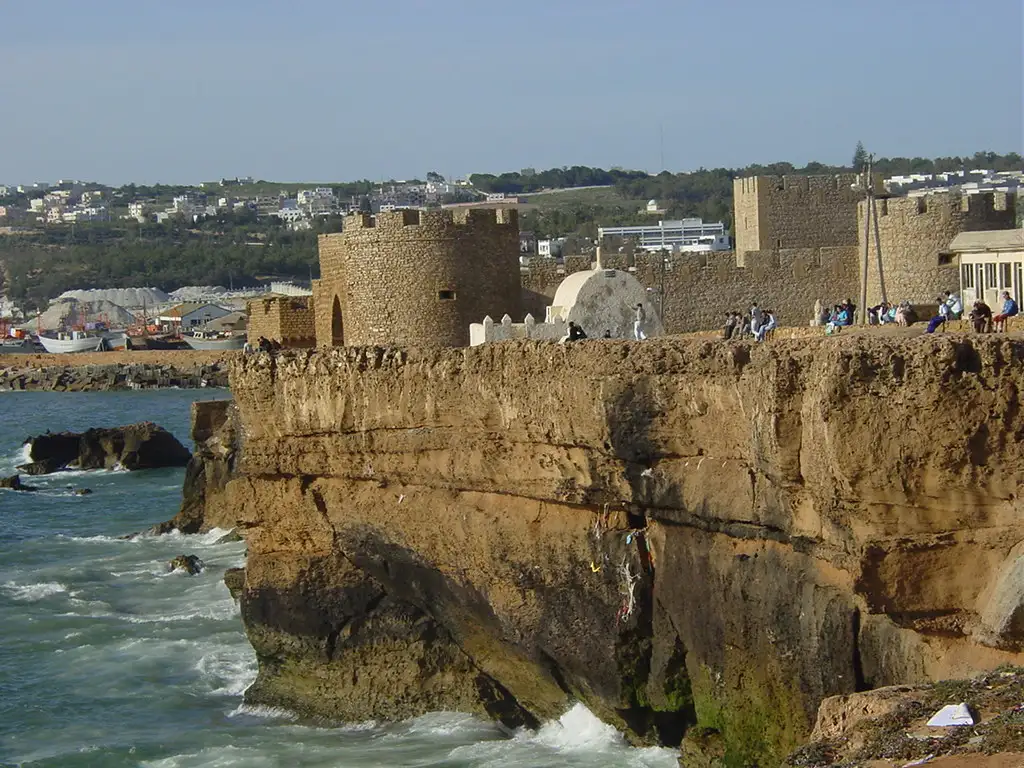
How should fragile pottery be packed for the journey?
Explain your onward route before the seller wraps anything. A bowl going straight to a car needs different protection from a platter facing several bus transfers and a flight. Each piece should be wrapped separately, with cushioning around rims, handles and spouts. Keep lids apart from their bases and prevent any ceramic surfaces from touching. A rigid box with padding on every side is more protective than a thin bag. Gently move the closed box: nothing inside should shift or knock against another piece.
Hand luggage can reduce rough handling, but ceramics are heavy and still subject to your airline’s size and weight limits. Keep receipts accessible and leave room to repack if security staff need to inspect the contents. For shipping, establish who arranges the carrier, what packing is used, whether breakage is covered and how a claim would work. Obtain the delivery cost and any separate packing charge before paying, and photograph the item and its packaging. Import taxes or handling charges at home may fall outside the seller’s shipping quote.
A place to start
Experiences in Safi
Browse current activities and check the route, meeting point, inclusions and cancellation terms before booking. This is a search, not a personally reviewed tour.
Plan the next step
Activities in Safi
Browse current GetYourGuide and Viator listings for Safi. Compare the route, meeting point, inclusions and cancellation terms before booking.
Disclosure: these are GetYourGuide and Viator partner links. If you book through them, Real Morocco Guide may earn a commission at no extra cost to you. Listings, prices and reviews come from the providers, not from us. How we work
Also on GetYourGuide
Plan your time
Before you go
Choose what matters most
Use the chapters above to decide what you want to see, then check current access and travel arrangements.
When comparing
Allow for the full journey
Compare meeting points, time on the road and time at the destination, not only the advertised duration.
Before paying
Confirm the details
Read the current provider listing for inclusions, accessibility needs and cancellation terms.
More ways to explore
Choose between exploring independently and comparing guided experiences. Search results are not selected or reviewed tours; confirm all details with the provider.
Explore independently
Use the planning notes above, then verify transport, access and opening details directly before setting out.
Compare guided options
Check what each listing actually includes, the meeting point and how much free time is available.
Explore options ↗Good to know
- Check current transport and access details before leaving.
- Ask the operator about any mobility or dietary needs before booking.
- Keep time in your schedule for changes to the route or weather.
Compare available experiences
Check current inclusions, reviews and cancellation terms with the provider.
Frequently asked questions
Should I book an experience in advance?
It depends on your travel dates and the activity. Check current availability and cancellation rules directly with the provider.
What should I check before reserving?
Confirm the meeting point, what is included, total time commitment, accessibility arrangements and the latest cancellation policy.
Further reading
Background reading, not verification of individual tour listings.
Trusted resources
Official sources worth checking before you travel. We are not affiliated with them.
Keep exploring
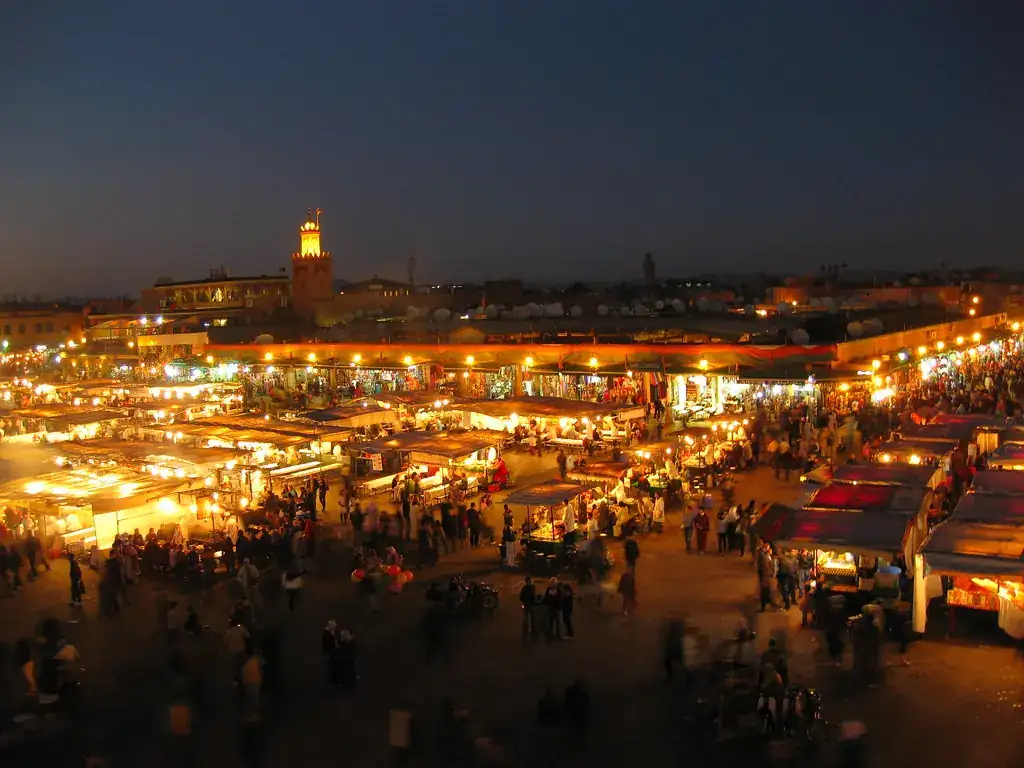
Marrakech · 9 min read
Marrakech Food Tours: What to Taste in the Medina
What to eat in the Marrakech medina, how a tasting walk differs from a cooking class, and how to tell whether a food tour actually leaves Jemaa el-Fna.
Read guide
Merzouga · 9 min read
Merzouga Desert Safari: Planning an Erg Chebbi Stay
How far Merzouga really is, how sunset trips, camp nights and multi-day tours differ, and what to pack for a night in the Erg Chebbi dunes.
Read guide