
Field guide / Morocco · Tafraoute · 6 min read
When to Visit Tafraoute for Almond Blossom
You can arrive in Tafraoute during the almond festival and still miss the flowers you came to see. Blossom follows the weather, not the programme, and trees in neighbouring valleys do not necessarily flower together. The sensible approach is to choose a likely seasonal window, ask for recent observations from the places you hope to walk, and leave enough flexibility to follow the flowering rather than a fixed itinerary.
What month gives you a realistic chance of almond blossom?
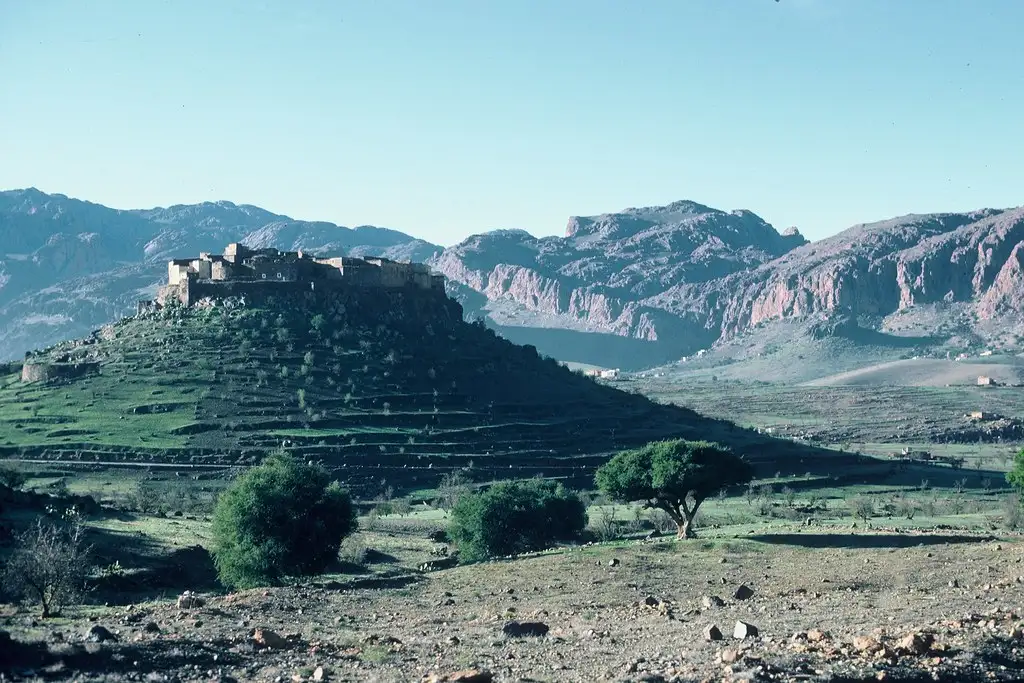
February is a useful starting point when deciding when to visit Tafraoute for almond blossom, but it is not a promise. Depending on the season and location, flowering can begin in January or continue into March. Winter temperatures, the conditions leading into flowering, and the weather once flowers open all influence what you find. A warm spell may bring trees forward; wind or rain can shorten the display. Treat photographs labelled simply “February in Tafraoute” as inspiration, not evidence for your own dates.
There is also no single switch from bare branches to blossom across the whole area. Elevation, exposure and local conditions can produce differences between orchards, slopes and villages. One patch may be fading while another still has unopened buds. If blossom is the main reason for travelling, aim for a few nights rather than a single afternoon, and keep at least one day uncommitted. That gives you time to act on local information without turning every walk into a search for the last flowering tree.
How do you find reports that are actually useful?
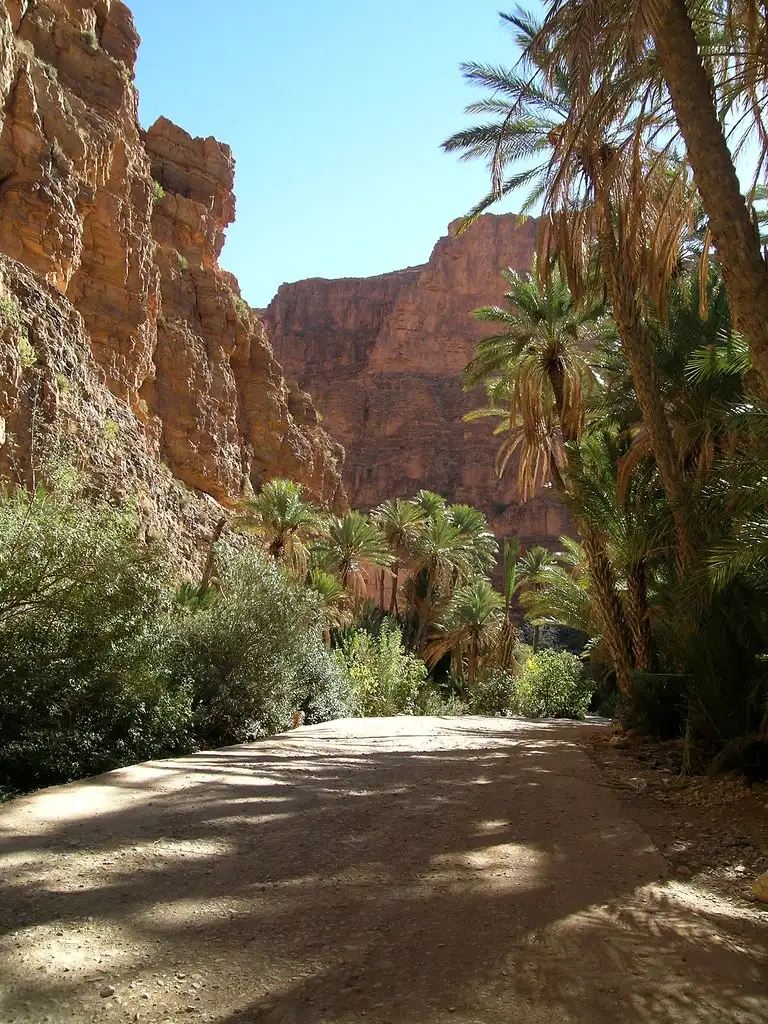
Start with accommodation in Tafraoute, then ask a local walking guide or driver who has recently been through the surrounding villages. Be specific: are the trees mostly in bud, carrying open flowers, or already showing leaves? Which valley or village did they see, and how recently? “There is blossom around Tafraoute” can describe anything from a few roadside trees to a broader display. A recent photograph with a recognisable location tells you more than an enthusiastic seasonal description.
Ask once while planning, then again close enough to departure that the answer can shape your route. Social posts can help, but distinguish the date a photograph was taken from the date it was uploaded; attractive blossom pictures are often reused. Seek observations from more than one location rather than repeatedly asking whether the season is “good”. If reports suggest flowering has passed in the places you intended to visit, decide before making the mountain journey whether Tafraoute’s walking and granite landscapes still justify the trip for you.
Should you book around the almond festival?
Book around the festival if you want the event itself, not because its dates guarantee peak flowering. Organisers need a programme that people can plan around; almond trees have no such obligation. Blossom may be early, late or uneven during the celebrations. Festival dates and arrangements can also change, so use a current announcement from organisers or reliable local sources rather than an old travel article. If you are travelling specifically for performances or other activities, establish which days those are actually scheduled.
An event period can bring more demand for rooms and transport, along with a livelier atmosphere in town. That suits travellers who want social activity alongside countryside outings. For quiet walks and fewer people around popular stopping points, dates outside the main festivities may suit you better. Keep the two decisions separate: choose the festival for its programme and choose blossom outings using current conditions. A room with flexible cancellation terms can be more useful here than a tightly packaged trip built around a supposedly exact flowering date.
Where should you base yourself, and how long should you allow?
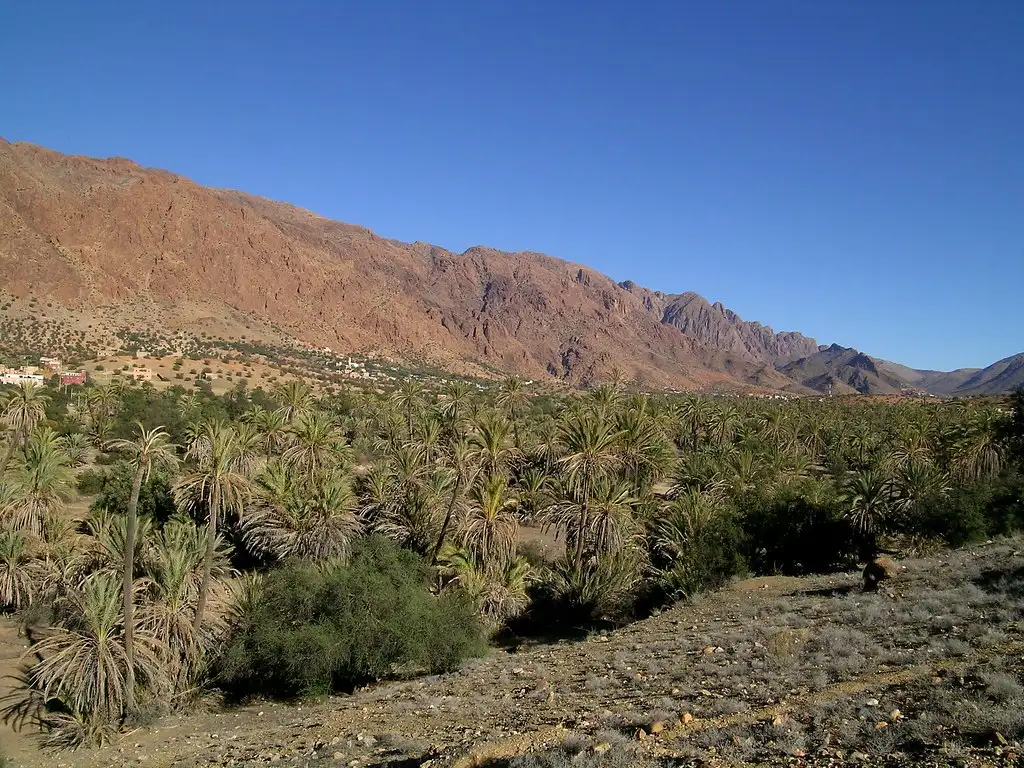
Tafraoute town is the practical base for arranging drivers, finding meals and adjusting plans after arrival. The Ameln Valley lies north of town beneath the Jbel Lkest massif, with villages and cultivated ground that make it a natural area to ask about flowering. To the south, the granite landscapes around Aguerd Oudad and the Painted Rocks provide a different kind of outing. Do not assume those well-known rock sites are also where the strongest blossom display will be. Ask about trees, not just scenic routes.
From Agadir, reaching Tafraoute involves several hours on winding inland roads; it is not a quick coastal excursion. From Marrakech, allow substantially more travel time and resist combining the transfer with an ambitious walk. Two or three nights gives you a reasonable balance of travel effort and time on the ground. A day trip from Agadir can suit someone mainly interested in the drive and a brief look around town, but it leaves little scope to follow fresh reports into another valley or wait out poor weather.
Do you need a car or a guide to see the flowers?
A car or prearranged driver makes scattered locations easier to reach, especially when reports point away from town. Shared taxis are transport between settlements, not sightseeing services, and departures depend on local demand. For a private taxi outing, agree on the route, waiting time and return before leaving. Taxis can use village roads but cannot take you along orchard paths or across cultivated terraces. If walking is difficult, explain that you need views from accessible roadside stopping places rather than being promised an “easy walk” without details.
Short walks on clear village lanes may need no guide. A local guide becomes genuinely useful when linking villages on less obvious paths, finding appropriate access around working land, or choosing a route to match limited mobility or stamina. Guided walking outings suit travellers who want more than roadside photographs without having to navigate independently. Difficulty varies: a gentle lane can quickly give way to loose stones, uneven steps or a steep terrace edge. Wear shoes with grip, carry water, and do not treat an unfenced orchard as public space.
What should you prepare for on the day?
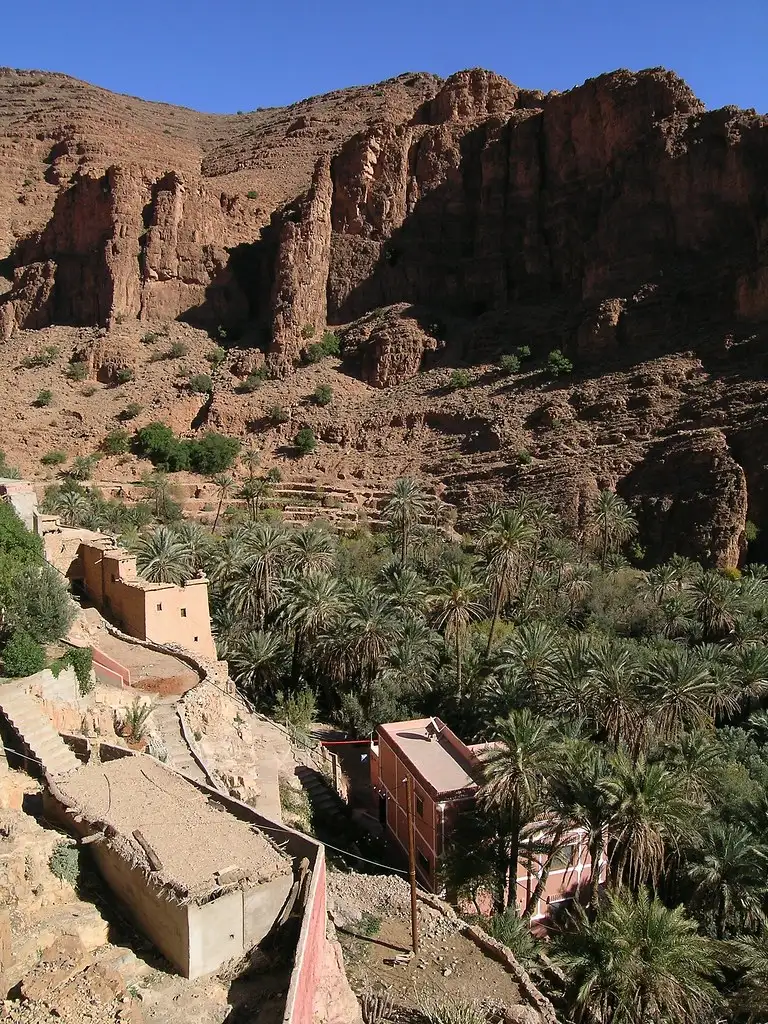
Blossom season is still winter or early spring in the Anti-Atlas. Sunshine can make a midday walk feel warm, while mornings, evenings and exposed viewpoints may be cold. Bring layers, a windproof outer layer and sun protection, and ask your accommodation about heating if cold rooms would trouble you. After rain, allow extra caution on rocky paths and seek current road advice before a longer rural drive. Carry cash for small purchases and local transport rather than assuming cards will work everywhere outside town.
If your dates overlap Ramadan, daytime food options and the rhythm of services may change; arrange lunch supplies and discuss departure times with your driver or host. On Fridays, leave some room around midday prayers rather than scheduling every errand tightly. In villages, choose clothing that covers shoulders and reaches below the knees, ask before photographing people, and keep entrances and narrow lanes clear. Flowers are part of someone’s working landscape: stay off planted terraces, do not pull branches towards the camera, and use a longer view if reaching a tree would mean crossing private ground.
A place to start
Experiences in Tafraoute
Browse current activities and check the route, meeting point, inclusions and cancellation terms before booking. This is a search, not a personally reviewed tour.
Plan the next step
Activities in Tafraoute
Browse current GetYourGuide and Viator listings for Tafraoute. Compare the route, meeting point, inclusions and cancellation terms before booking.
Disclosure: these are GetYourGuide and Viator partner links. If you book through them, Real Morocco Guide may earn a commission at no extra cost to you. Listings, prices and reviews come from the providers, not from us. How we work
Also on GetYourGuide
Plan your time
Before you go
Choose what matters most
Use the chapters above to decide what you want to see, then check current access and travel arrangements.
When comparing
Allow for the full journey
Compare meeting points, time on the road and time at the destination, not only the advertised duration.
Before paying
Confirm the details
Read the current provider listing for inclusions, accessibility needs and cancellation terms.
More ways to explore
Choose between exploring independently and comparing guided experiences. Search results are not selected or reviewed tours; confirm all details with the provider.
Explore independently
Use the planning notes above, then verify transport, access and opening details directly before setting out.
Compare guided options
Check what each listing actually includes, the meeting point and how much free time is available.
Explore options ↗Good to know
- Check current transport and access details before leaving.
- Ask the operator about any mobility or dietary needs before booking.
- Keep time in your schedule for changes to the route or weather.
Compare available experiences
Check current inclusions, reviews and cancellation terms with the provider.
Frequently asked questions
Should I book an experience in advance?
It depends on your travel dates and the activity. Check current availability and cancellation rules directly with the provider.
What should I check before reserving?
Confirm the meeting point, what is included, total time commitment, accessibility arrangements and the latest cancellation policy.
Further reading
Background reading, not verification of individual tour listings.
Trusted resources
Official sources worth checking before you travel. We are not affiliated with them.
Keep exploring
Marrakech · 9 min read
Marrakech Food Tours: What to Taste in the Medina
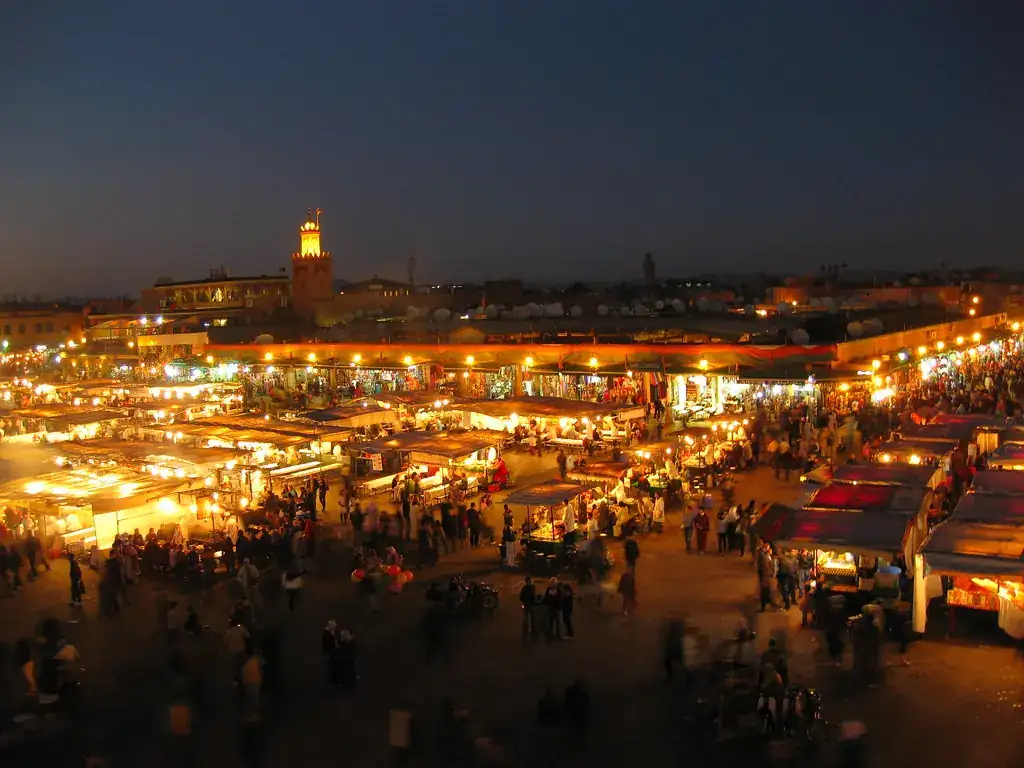
What to eat in the Marrakech medina, how a tasting walk differs from a cooking class, and how to tell whether a food tour actually leaves Jemaa el-Fna.
Read guide
Merzouga · 9 min read
Merzouga Desert Safari: Planning an Erg Chebbi Stay
How far Merzouga really is, how sunset trips, camp nights and multi-day tours differ, and what to pack for a night in the Erg Chebbi dunes.
Read guide