
Field guide / Morocco · Tetouan · 6 min read
Tetouan Medina Walking Guide
The difficulty with walking Tetouan’s medina is deciding when to stop navigating. Follow your phone too closely and you miss the small changes between a shopping street, a workshop lane and someone’s front doorstep. Put it away completely and a short wander can become tiring. This Tetouan Medina Walking Guide uses two useful anchors, Place Hassan II and Bab Okla, with room to get pleasantly sidetracked between them. Allow half a day rather than trying to collect sights before lunch. The point is to notice more, not cover every alley.
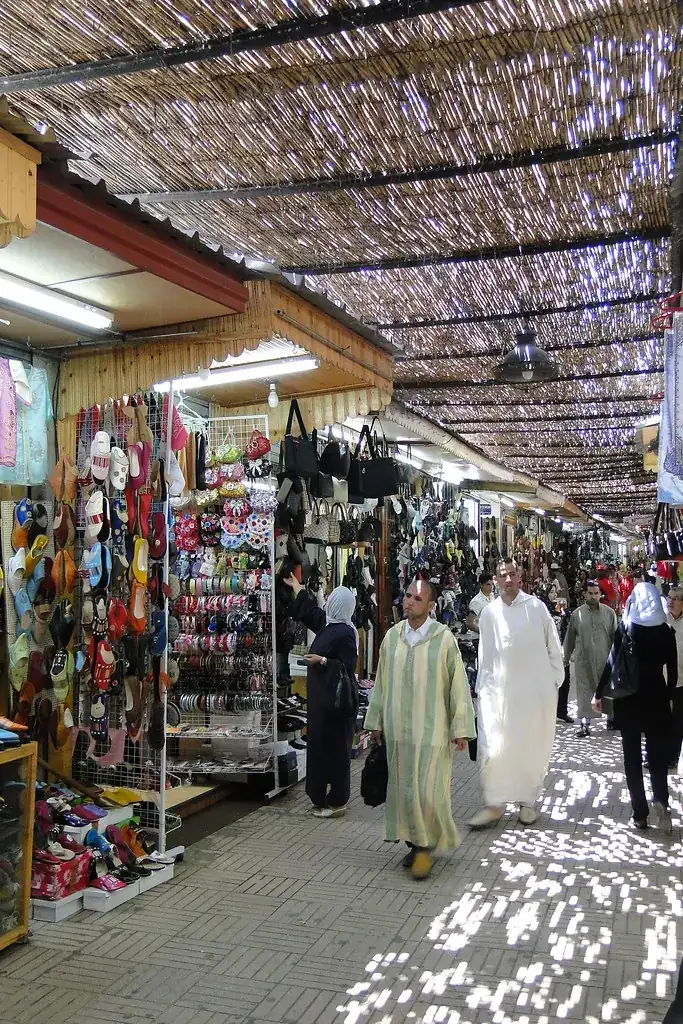
Where should you start your medina walk?
Start at Place Hassan II, beside the Royal Palace, where the open space gives you a moment to understand the transition into the old city. To the west lies the Spanish-era Ensanche, with broader streets and apartment façades; the medina’s tighter lanes lie beyond the palace area to the east. Avenue Mohammed V makes a useful approach on foot from the newer centre. The palace is not an ordinary visitor attraction you can walk into. Respect barriers and instructions around guarded areas, and avoid photographing security personnel.
Before entering the lanes, save an offline map and mark your accommodation, Place Hassan II and Bab Okla, a useful exit on the medina’s eastern side. These are orientation points, not instructions for a perfectly straight crossing. If arriving by petit taxi, give the driver a named square or gate rather than an address deep inside the medina. Vehicles cannot reach most interior lanes, and the nearest practical drop-off may still leave you carrying a bag through narrow passages.

A loose route from the palace square towards Bab Okla
From the palace area, enter the commercial lanes and work gradually towards the market streets around Guersa el-Kebira. Treat this as the middle of your wander, not a junction you must reach by a particular alley. Tetouan rewards attention at shopfront level: bread being collected, cloth stacked in doorways, painted woodwork and changes in the goods sold from one stretch to the next. Its Andalusian connections are part of the medina’s character, but much of what makes the walk interesting is ordinary working life rather than a sequence of monuments.
Continue generally towards Bab Okla when you are ready to leave, allowing for bends, pauses and occasional backtracking. The whole walk need not take half a day, but three to four hours gives you room for shopping, a drink and a wrong turn without rushing. Do not make every side passage part of the route. A lane becoming quieter, narrower and lined mainly with house doors is a cue to turn back towards the shops. From Bab Okla, you can seek a taxi on the surrounding vehicle-accessible roads rather than retracing the entire walk.
How difficult is the walking, and when should you go?
The challenge is less a sustained climb than uneven paving, occasional steps, slopes and repeated changes of direction. Wear shoes with grip; smooth surfaces can become slippery after rain. Tetouan’s northern setting does not guarantee cool summer walking, and enclosed market lanes can feel close when busy. Start in the morning during hotter weather and carry water. In cooler months, bring a layer and rain protection rather than assuming a northern Moroccan city will feel warm all day.
Mid-morning is a sensible starting point if you want to see trade underway without committing to a dawn walk past closed shutters. Crowds vary by street and shopping period: one lane may flow easily while the next stalls around a delivery. For wheelchair users or anyone who finds steps difficult, an improvised crossing can be frustrating. Narrow passages, thresholds and uneven ground make continuous step-free access hard to assume. A shorter visit from a known gate, with a companion or a guide who understands your specific access needs, is more manageable than a promise to see the whole medina.

What does respectful visiting look like here?
Dress for a lived-in neighbourhood rather than a beach resort. Covered shoulders and clothing reaching below the knee are a considerate, practical choice for all genders; loose trousers are useful in warm weather. Visitors do not generally need to cover their hair in the streets. Keep voices low around homes, avoid standing across doorways, and step aside for people carrying goods. A busy lane is a route to work, school or shopping before it is a place for visitors to linger.
Ask before taking a recognisable photograph of someone, including a craftsperson at work. A smile is not necessarily permission, and buying something does not purchase the right to photograph the seller. For children, seek a parent or guardian’s permission and accept hesitation as a no. Doorways deserve similar care: an open door is not an invitation to photograph a family interior. Non-Muslim visitors should assume mosques are not open to them unless access is explicitly permitted. Do not lean into prayer spaces for a better picture.
Do you need a guide, and how should you handle shopping?
Independent walkers who are comfortable backtracking can enjoy the main commercial lanes without a guide. A licensed guide genuinely helps if you want historical context, have limited time, need a carefully chosen route, or hope to understand crafts beyond looking at finished objects. Agree on duration, fee and shopping expectations beforehand. Say plainly if you want a walk without shop stops. A guide cannot guarantee access to private workshops or religious buildings, and any workshop visit should begin with the people working there being willing to receive you.
Carry dirhams in smaller denominations for modest purchases; do not rely on cards in small medina shops. Ask the price before goods are wrapped or work is commissioned. Bargaining can be appropriate for some craft purchases, but not every transaction is a negotiation. Unsolicited directions are not automatically a scam, though an offer to show you the way can become a paid guiding or shopping detour. If you do not want help, decline calmly. For directions, a shopkeeper who remains at their counter is often a simpler option than following a stranger.
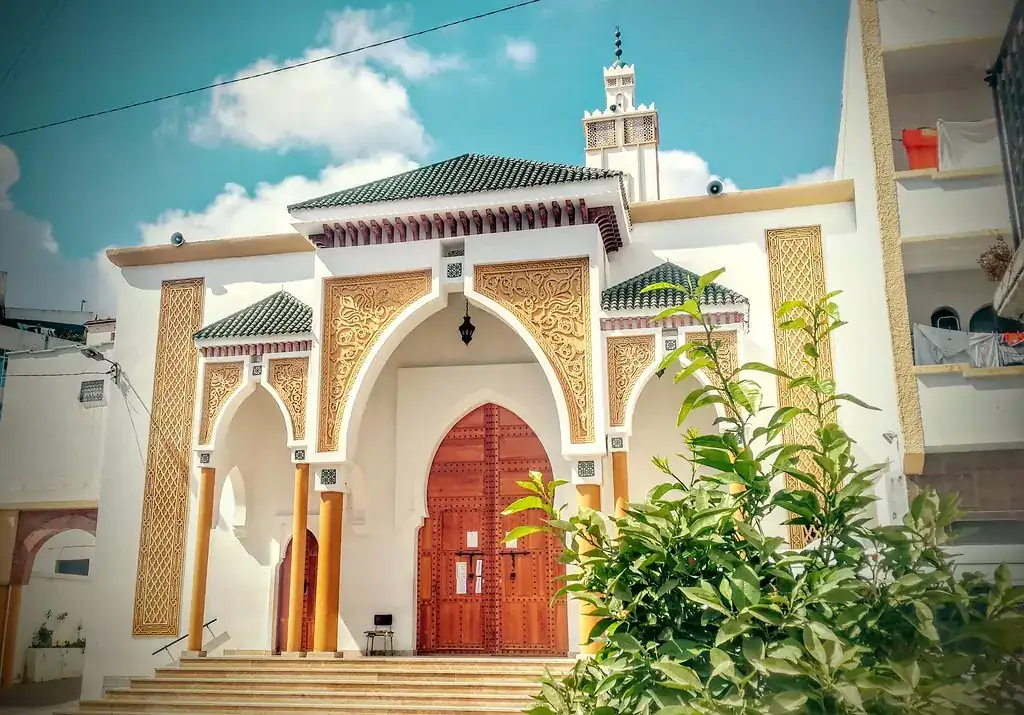
How do Fridays and Ramadan change the plan?
On Fridays, some businesses pause around congregational prayers, while others reopen later or keep different routines. This is not a dependable all-day closure. Keep the route flexible, and avoid stopping in lanes where worshippers are gathering or leaving a mosque. During Ramadan, mornings may begin more slowly, daytime food options can be reduced, and shopping rhythms shift towards later hours. Arrange your lunch rather than assuming the next café will be serving. Visitors are not generally expected to fast, but discreet eating and drinking is considerate.
If you have a fixed onward departure, finish near a vehicle-accessible gate with time to spare. Taxis cannot retrieve you from an interior alley, and just before sunset during Ramadan can be an awkward moment to look for transport as people prepare to break the fast. Keep your accommodation’s name and location saved on your phone, along with the name of its nearest usable gate. For a booked meal, museum visit or organised walk, confirm the hours or availability for your actual day, especially during Ramadan.
A place to start
Experiences in Tetouan
Browse current activities and check the route, meeting point, inclusions and cancellation terms before booking. This is a search, not a personally reviewed tour.
Plan the next step
Activities in Tetouan
Browse current GetYourGuide and Viator listings for Tetouan. Compare the route, meeting point, inclusions and cancellation terms before booking.
Disclosure: these are GetYourGuide and Viator partner links. If you book through them, Real Morocco Guide may earn a commission at no extra cost to you. Listings, prices and reviews come from the providers, not from us. How we work
Also on GetYourGuide
Plan your time
Before you go
Choose what matters most
Use the chapters above to decide what you want to see, then check current access and travel arrangements.
When comparing
Allow for the full journey
Compare meeting points, time on the road and time at the destination, not only the advertised duration.
Before paying
Confirm the details
Read the current provider listing for inclusions, accessibility needs and cancellation terms.
More ways to explore
Choose between exploring independently and comparing guided experiences. Search results are not selected or reviewed tours; confirm all details with the provider.
Explore independently
Use the planning notes above, then verify transport, access and opening details directly before setting out.
Compare guided options
Check what each listing actually includes, the meeting point and how much free time is available.
Explore options ↗Good to know
- Check current transport and access details before leaving.
- Ask the operator about any mobility or dietary needs before booking.
- Keep time in your schedule for changes to the route or weather.
Compare available experiences
Check current inclusions, reviews and cancellation terms with the provider.
Frequently asked questions
Should I book an experience in advance?
It depends on your travel dates and the activity. Check current availability and cancellation rules directly with the provider.
What should I check before reserving?
Confirm the meeting point, what is included, total time commitment, accessibility arrangements and the latest cancellation policy.
Further reading
Background reading, not verification of individual tour listings.
Trusted resources
Official sources worth checking before you travel. We are not affiliated with them.
Keep exploring
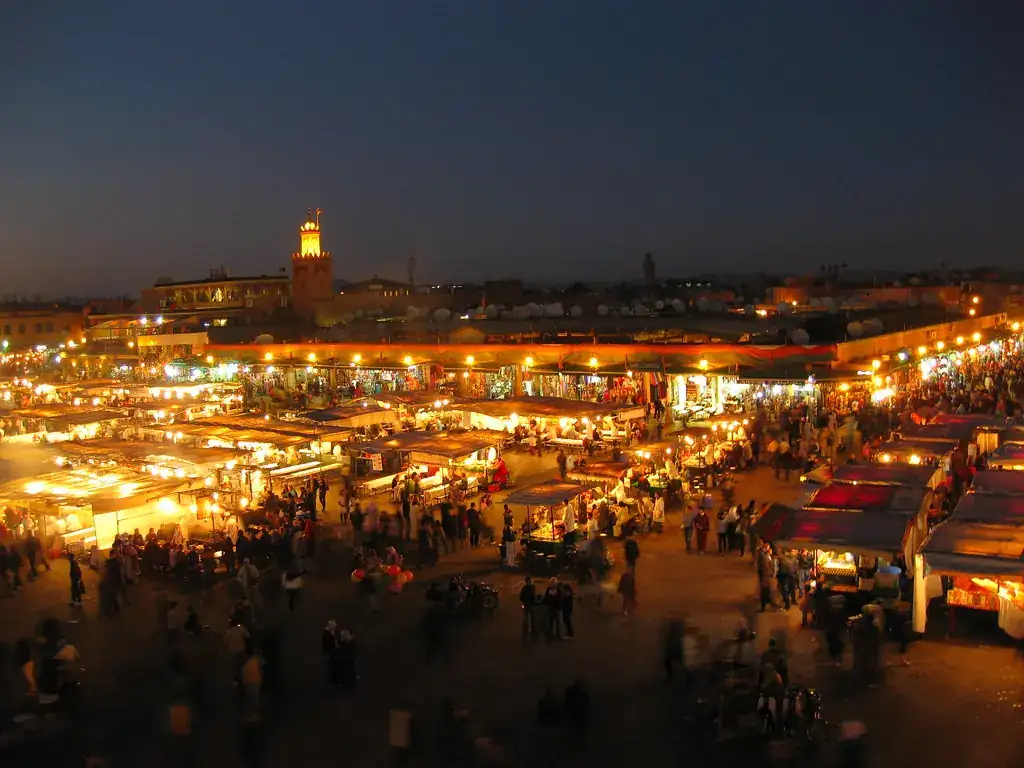
Marrakech · 9 min read
Marrakech Food Tours: What to Taste in the Medina
What to eat in the Marrakech medina, how a tasting walk differs from a cooking class, and how to tell whether a food tour actually leaves Jemaa el-Fna.
Read guide
Merzouga · 9 min read
Merzouga Desert Safari: Planning an Erg Chebbi Stay
How far Merzouga really is, how sunset trips, camp nights and multi-day tours differ, and what to pack for a night in the Erg Chebbi dunes.
Read guide