
Field guide / Morocco · Zagora · 7 min read
Zagora or Merzouga for a Short Desert Trip from Marrakech?
Two days free in Marrakech can buy you a night near Zagora, but much of that time belongs to the road. Three days can get you to Merzouga’s taller dunes, though the return journey is still demanding. The useful comparison is not simply which desert looks better: it is where you sleep, what the advertised camp actually overlooks, and how much daylight remains after the driving. Start with those questions before choosing between the familiar two-day Zagora and three-day Merzouga tours.
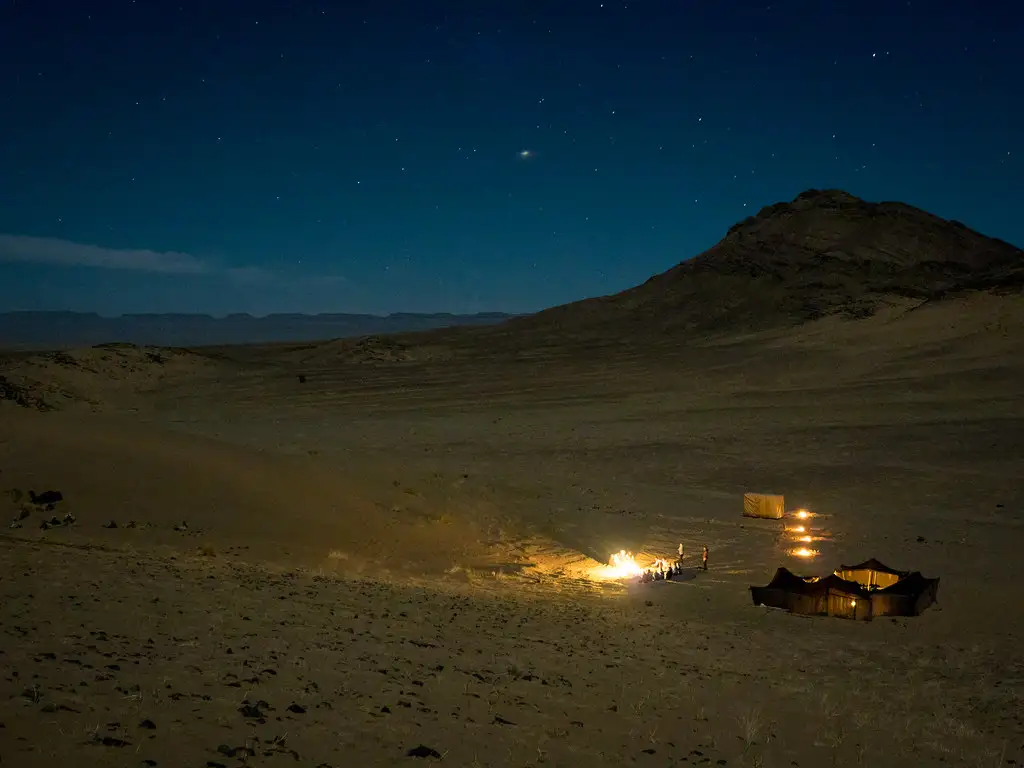
How much driving are you signing up for?
Zagora lies southeast of Marrakech, beyond the High Atlas and Ouarzazate, down the Drâa Valley. Allow roughly seven to nine hours of driving each way, before substantial sightseeing stops; traffic, mountain weather and the precise camp location can stretch the day. The route crosses the Tizi n’Tichka pass, so this is not an easy motorway run. There are bends, changes in elevation and stretches where passengers prone to motion sickness may struggle. On a two-day trip, you cross the mountains one morning and cross them again the following afternoon.
Merzouga is farther east, beside Erg Chebbi, and reaching it directly from Marrakech generally means around ten to twelve hours on the road before lengthy stops. Most three-day tours spread the outward journey over two days, then make the long return on day three. That makes the outbound sightseeing feel more manageable without removing the final-day slog. If an itinerary describes the journey as scenic but gives no approximate arrival times, ask for them. A beautiful road is still a long time in a seat.
What does “Zagora desert” actually mean?
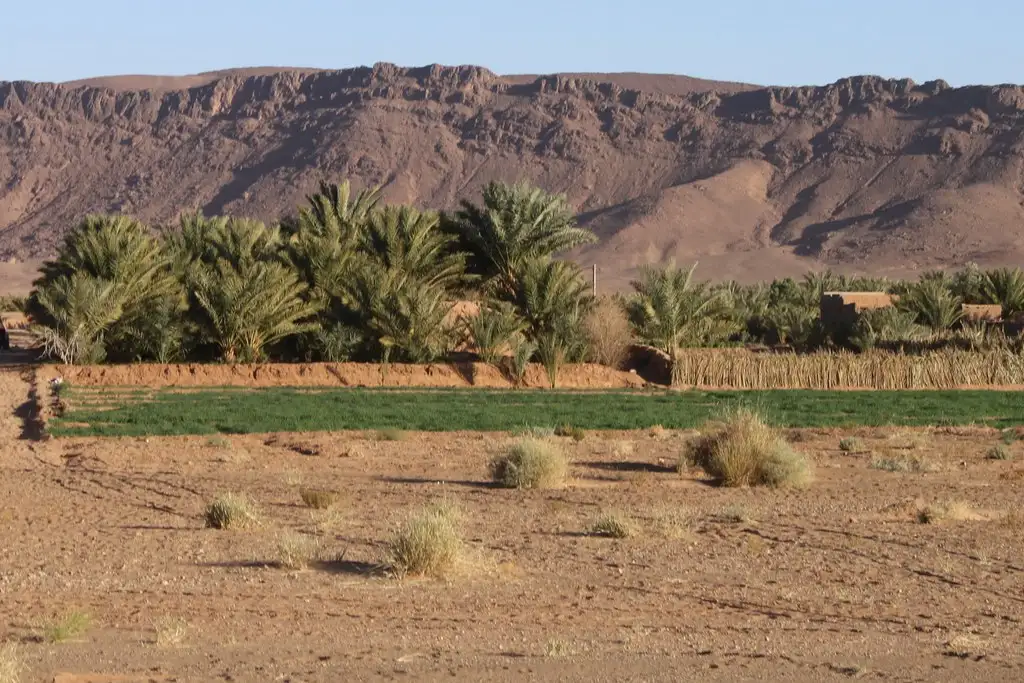
Zagora is a working Drâa Valley town associated with palm groves, earthen settlements and arid mountain scenery. The surrounding landscape includes stony ground, gravel plains and patches of sand. Camps sold under the Zagora label vary in location and setting; some use sandy areas around Tinfou, south of town. Do not assume that a photograph of enormous, uninterrupted dunes shows the place where you will sleep. Ask for the camp’s name and location, plus photographs showing the wider surroundings rather than only a tent and a camel.
Merzouga sits beside Erg Chebbi, the substantial dune field that more closely matches the rolling-sand image many travelers have in mind. Even there, camps differ: some stand along the dune margins, with buildings or tracks nearby, rather than deep among the dunes. Erg Chigaga is a separate destination, reached through the M’Hamid area farther down the Drâa Valley, with an off-road approach. It is not interchangeable with a standard short Zagora excursion. If tall dunes are the reason for your trip, choose the itinerary around that preference instead of hoping the cheaper label means the same landscape.
Where do the overnight stops fit?
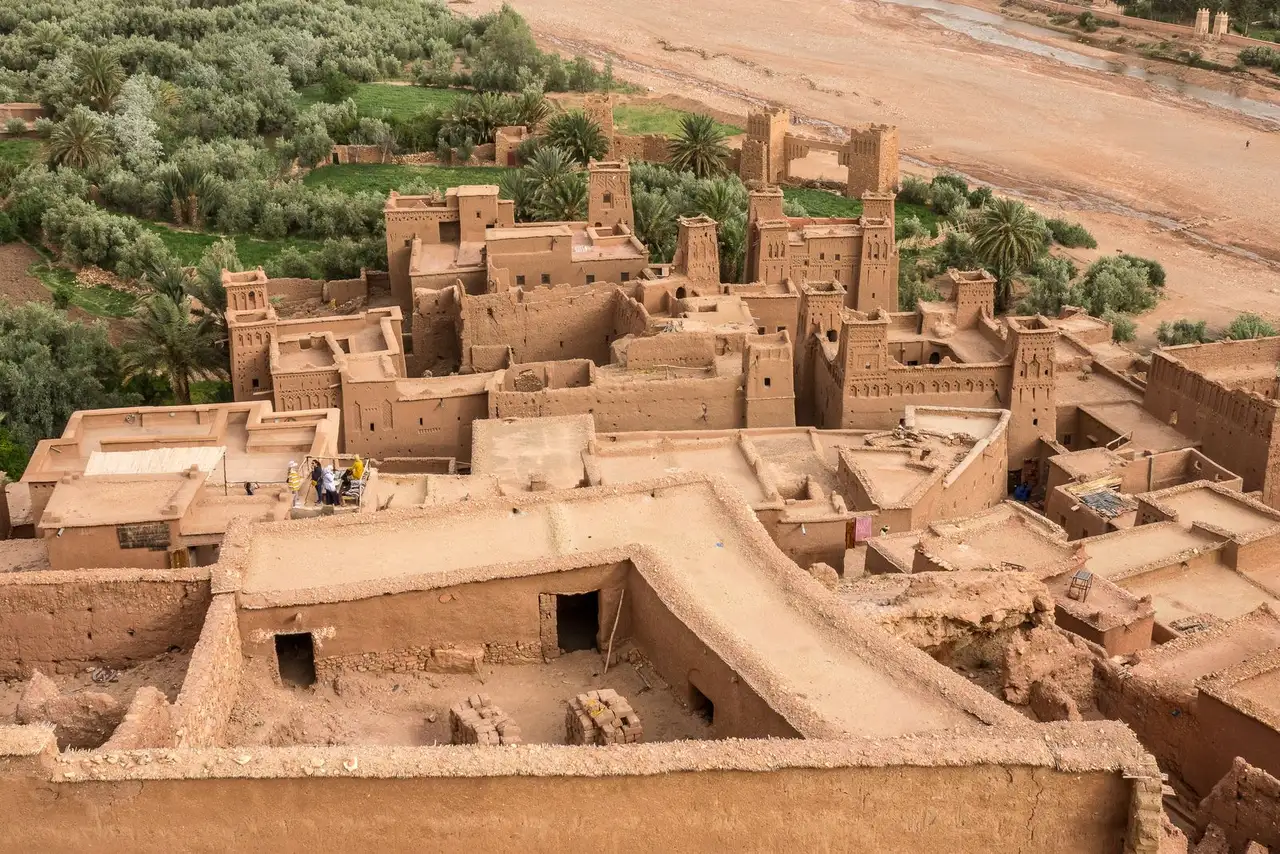
A typical two-day Zagora itinerary crosses the Atlas, visits Aït Ben Haddou, passes through or near Ouarzazate and continues south toward the Drâa Valley. Aït Ben Haddou is a detour from the through-route, not a quick roadside photograph if you intend to walk through the ksar. Its uneven lanes and uphill sections take time. With all of this squeezed into day one, the camp stay may amount to an evening arrival, dinner, sleep and an early departure. Zagora town itself can receive surprisingly little attention on a tour bearing its name.
On a common three-day Merzouga route, the first night is in the Dadès area, east of Ouarzazate, and the second is at a desert camp. The second day may include Todra Gorge before continuing toward the dunes. These are distinct places, not neighboring attractions: the Dadès Valley and Todra Gorge involve separate approaches from the main eastbound corridor. A long list of stops can mean brief walks punctuated by more driving. Ask which overnight is a hotel and which is a camp, and whether the advertised valley stay is actually up the valley or in a town along the main road.
How much time will you have outside the vehicle?
Count usable hours, not just days. A two-day Zagora tour often provides one short desert evening and perhaps a sunrise outing. A three-day Merzouga tour can deliver much the same amount of dune time, despite requiring another night away. Lunch, shopping stops and transfers all draw from that allowance. Ask how long you will spend at the dunes before sunset and when the return drive begins. A camel transfer is not automatically extra exploration time; it may simply be how the operator moves guests between the road and camp.
Shared tours suit travelers who want transport and beds arranged at a relatively accessible cost, and who can tolerate a fixed pace. Private transport helps families, photographers and anyone wanting fewer stops, but it cannot shorten the geography. For a more relaxed Merzouga visit, four days allows room for a second night in the area rather than an immediate retreat toward Marrakech. If two days is an absolute limit and fourteen or more hours of driving sounds miserable, neither a bargain price nor a comfortable tent will solve that. Agafay is closer to Marrakech, but its rocky landscape is not a substitute for Saharan dunes.
Which walks and transfers need more thought?
Sand walking is slower than it looks. Loose slopes require effort, and a short climb can be tiring in heat. Travelers with reduced mobility should ask about the distance between vehicle drop-off and tent, whether paths are firm, and whether toilets are reached across sand. “Luxury camp” describes a category of accommodation, not a guarantee of step-free access. Ordinary taxis can reach paved-road accommodation around Zagora and Merzouga; they are not a solution for driving across loose dunes. Camp transfers may involve a suitable vehicle, a camel ride or walking, depending on the location.
A guide is useful for a longer desert walk, where tracks and dune shapes are poor navigation aids, and for explaining irrigation, settlement patterns and daily life along the Drâa. For a brief stroll near your accommodation, ask the host which direction is suitable and agree on a return time. Camel riding is optional on some itineraries, not all, so establish the alternative before booking if mounting or sitting in a saddle is difficult. Popular sunset viewpoints can attract several groups at once; a camp photograph without people does not promise solitude.
What should you settle before leaving Marrakech?
Read the inclusions as carefully as the route. Establish whether lunches, local guiding, camel rides and vehicle transfers are included, and ask about planned shop visits if you would rather spend that time walking. Carry some dirhams for smaller purchases and extras instead of relying on camp card facilities. Keep water, sun protection, medication and a warm layer in your day bag; your main luggage may be inaccessible during transfers. Atlas weather can disrupt the approach, desert nights can be cold, and summer heat can make midday sand walks impractical.
During Ramadan, tourist meals may still be arranged, while independent daytime food options can be more limited in smaller towns. Friday prayer and lunch can affect the availability of individual shops or services without shutting down the whole route. Loose clothing works well for sun protection and visits to settlements; ask before photographing residents, especially around homes and palm groves. Before paying, get the overnight locations, likely driving hours, return destination and pickup arrangements in writing. Marrakech’s narrow medina lanes may require walking with your bag to a vehicle-accessible meeting point, so obtain that location rather than relying on a promise of hotel pickup.
A place to start
Experiences in Zagora
Browse current activities and check the route, meeting point, inclusions and cancellation terms before booking. This is a search, not a personally reviewed tour.
Local operators · Zagora
Vet before you bookBook with people who live here
These links open live listings from local operators. We have not inspected each one, so compare group size, vehicle, camp type and cancellation terms. Good operators answer questions about the route before you pay.
Desert camp operators
Overnight camel treks and camps run by Berber families near the dunes.
Compare listingsPrivate driver-guides
Multi-day 4x4 routes with a local driver who knows the passes and pistes.
Compare listingsAdventure & off-road
Quad, buggy and guided enduro outings with safety kit included.
Compare listings- Licensed guide or registered agency named in the listing
- Group size and vehicle type stated clearly
- Camp has private or shared toilets: ask which
- Free cancellation at least 24 hours ahead
Driving yourself? Use the desert drive calculator and the Sahara packing planner.
Plan the next step
Activities in Zagora
Browse current GetYourGuide and Viator listings for Zagora. Compare the route, meeting point, inclusions and cancellation terms before booking.
Disclosure: these are GetYourGuide and Viator partner links. If you book through them, Real Morocco Guide may earn a commission at no extra cost to you. Listings, prices and reviews come from the providers, not from us. How we work
Also on GetYourGuide
Plan your time
Before you go
Choose what matters most
Use the chapters above to decide what you want to see, then check current access and travel arrangements.
When comparing
Allow for the full journey
Compare meeting points, time on the road and time at the destination, not only the advertised duration.
Before paying
Confirm the details
Read the current provider listing for inclusions, accessibility needs and cancellation terms.
More ways to explore
Choose between exploring independently and comparing guided experiences. Search results are not selected or reviewed tours; confirm all details with the provider.
Explore independently
Use the planning notes above, then verify transport, access and opening details directly before setting out.
Compare guided options
Check what each listing actually includes, the meeting point and how much free time is available.
Explore options ↗Good to know
- Check current transport and access details before leaving.
- Ask the operator about any mobility or dietary needs before booking.
- Keep time in your schedule for changes to the route or weather.
Compare available experiences
Check current inclusions, reviews and cancellation terms with the provider.
Frequently asked questions
Should I book an experience in advance?
It depends on your travel dates and the activity. Check current availability and cancellation rules directly with the provider.
What should I check before reserving?
Confirm the meeting point, what is included, total time commitment, accessibility arrangements and the latest cancellation policy.
Further reading
Background reading, not verification of individual tour listings.
Trusted resources
Official sources worth checking before you travel. We are not affiliated with them.
Keep exploring
Marrakech · 9 min read
Marrakech Food Tours: What to Taste in the Medina
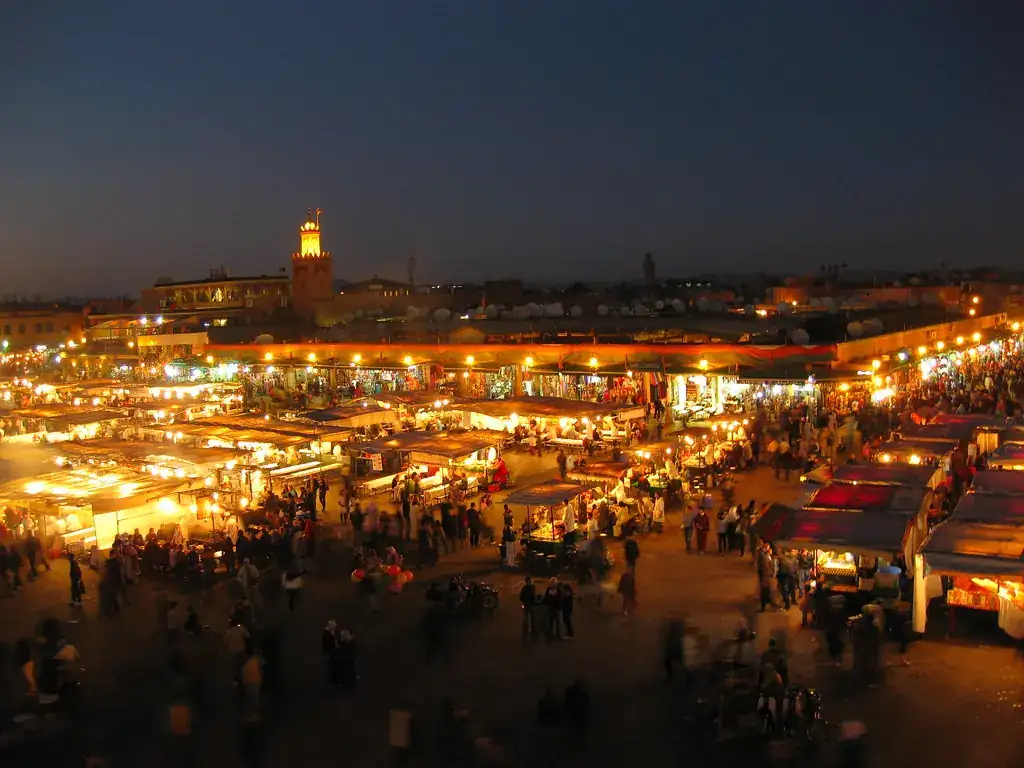
What to eat in the Marrakech medina, how a tasting walk differs from a cooking class, and how to tell whether a food tour actually leaves Jemaa el-Fna.
Read guide
Merzouga · 9 min read
Merzouga Desert Safari: Planning an Erg Chebbi Stay
How far Merzouga really is, how sunset trips, camp nights and multi-day tours differ, and what to pack for a night in the Erg Chebbi dunes.
Read guide